
RECAPRUSH MOVIE GUIDE
The Green Mile (1999)
Directed by Frank Darabont
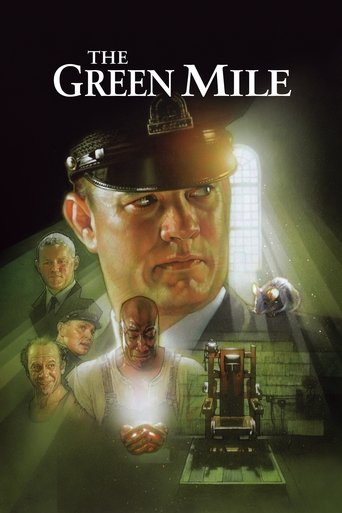
RecapRush examines the contradiction between Paul Edgecomb’s compassion and his participation in John Coffey’s execution, and reads the elderly Paul’s longevity as unresolved responsibility rather than confirmed divine judgment.
Overview, poster, and credits from TMDB.
Read and watch our analysis ↓FROM THE RECAPRUSH LIBRARY · ANALYSIS
The Green Mile (1999): Kindness Cannot Make the Chair Just
5 min read · Estimated reading time— views
RecapRush viewpoint · Ending spoilers. Paul Edgecomb’s compassion is real, and so is his participation in John Coffey’s death. The Green Mile becomes most troubling when we refuse to let one erase the other. Our reading centers on that contradiction: a humane manner can lessen someone’s suffering without making the action being performed humane.
In this article
- [Quick facts](#quick-facts)
- [Knowing better changes the job](#knowing-better-changes-the-job)
- [Coffey’s wishes do not settle the question](#coffeys-wishes-do-not-settle-the-question)
- [Ending explained: a witness without an acquittal](#ending-explained-a-witness-without-an-acquittal)
- [Final thoughts](#final-thoughts)
- [References](#references)
- [Official trailer](#official-trailer)
Quick facts
- Film: The Green Mile (1999). Director and screenwriter: Frank Darabont; adapted from Stephen King’s work.
- Theatrical opening: December 10, 1999 in Los Angeles; AFI also records the New York opening in that week.
- Runtime: TMDB lists 189 minutes; AFI lists 188.
- Cast: Tom Hanks — Paul Edgecomb; Michael Clarke Duncan — John Coffey; David Morse — Brutus “Brutal” Howell; Bonnie Hunt — Jan Edgecomb; James Cromwell — Warden Hal Moores; Michael Jeter — Eduard Delacroix; Doug Hutchison — Percy Wetmore; Sam Rockwell — William “Wild Bill” Wharton.
- Identity: TMDB 497 · IMDb tt0120689. The trailer below is Warner Bros.’ 2022 4K promotion of the 1999 film.
Knowing better changes the job
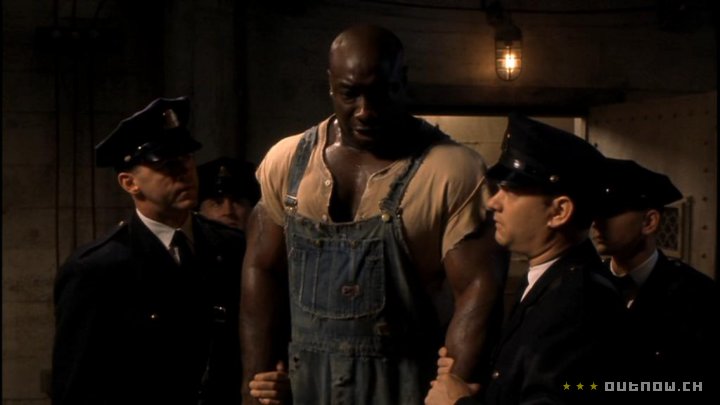
Verified context: Paul supervises a prison’s death row. Coffey, an innocent condemned man, has supernatural healing powers. Paul comes to recognize his innocence, yet ultimately gives the order for his execution. Coffey says he wants his suffering to end and asks not to have his head covered because he fears the dark; Paul honors that request.
Our interpretation: Once Paul knows whom he is dealing with, professional composure cannot provide the same shelter. His role is no longer merely a task whose moral meaning belongs to someone elsewhere. The person in front of him makes the distance between duty and responsibility impossible to ignore.
We find the small concession about the hood especially difficult. It acknowledges Coffey’s particular fear, rather than processing him as an interchangeable prisoner. That attention matters. But the remaining procedure still ends his life. A moment of care within an act of harm should make the contradiction sharper, rather than reassure us that the harm has been redeemed.
More from RecapRush
 Colony (2026) Movie Recap & Ending Explained: Why the Hive Turns Against Seo
 Monster: The Lizzie Borden Story (2026) Full Series Recap & Ending Explained – Myth, Rage & Murder
 Deadpool & Wolverine (2024) Recap & Ending Explained: Belonging Is More Than Being Chosen
Coffey’s wishes do not settle the question
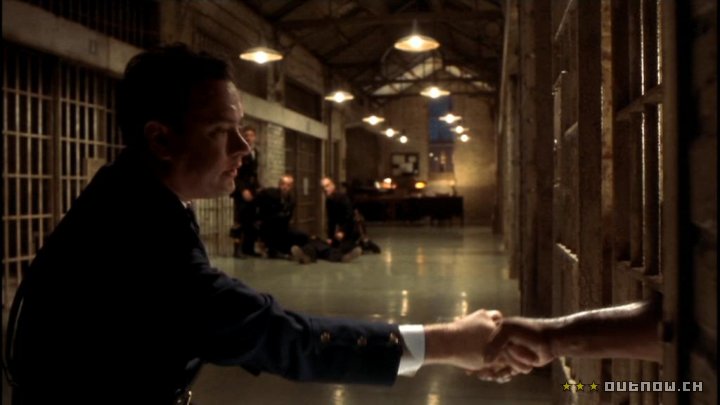
Coffey’s exhaustion deserves to be taken seriously. In our reading, however, his wish to be free of pain does not turn the institution’s original judgment into truth. His innocence and his weariness can coexist. The latter should not become a convenient reason to stop thinking about the former.
This is also where we resist making Coffey’s extraordinary gift the sole reason his death is wrong. His powers make the audience’s recognition overwhelming, but humane treatment should not depend on someone being miraculous. Otherwise, the film’s exceptional prisoner becomes an exception that leaves our assumptions about every ordinary prisoner untouched.
The question Paul leaves with us is therefore larger than whether he is kinder than someone else in the prison. It is whether the kindness he can offer is enough when he continues to exercise the authority that will kill the person receiving it. We do not think the film lets that question end comfortably with his good intentions.
Ending explained: a witness without an acquittal
Cast and Characters
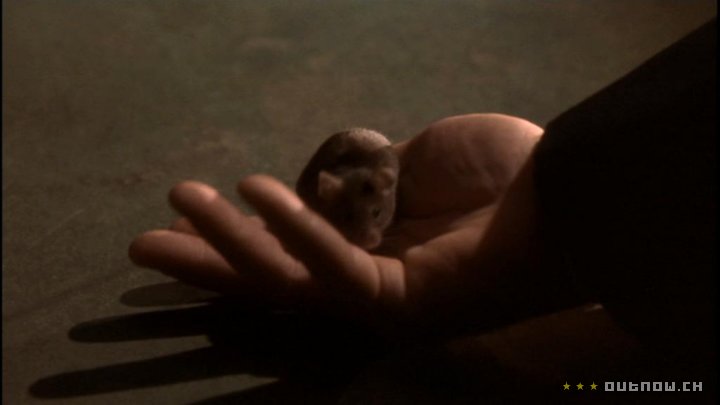
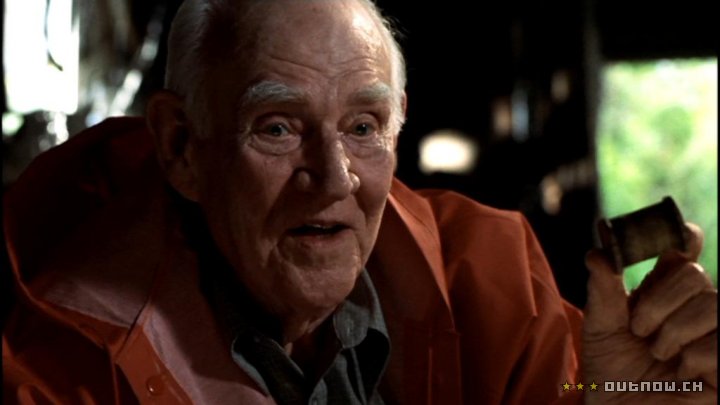
The elderly Paul remains alive long after the events he recounts, and Mr. Jingles has also lived an extraordinary length of time. Paul interprets his longevity—and the loss of people he loves—as punishment for his part in Coffey’s death. That is his explanation, not an independently confirmed divine verdict delivered to the audience.
For RecapRush, the force of this ending lies in duration rather than a precise supernatural sentence. Paul cannot place the execution safely behind him as a completed shift at work. Remembering has become part of his continuing life. Time has not supplied the moral distance that his professional role once seemed to promise.
Yet suffering afterward does not undo what happened to Coffey. Nor should the guard’s grief displace the prisoner as the center of the injustice. We see Paul’s account as valuable when it preserves that failure, rather than when it asks us to declare his subsequent pain sufficient payment. Witnessing can carry responsibility forward; it cannot reverse the death being witnessed.
Final thoughts
The Green Mile moves us most when compassion remains an obligation rather than an excuse. Paul’s gentleness makes his failure harder to dismiss as the work of an obvious monster. He can recognize Coffey, care for him and still participate in an irreparable wrong. Holding those facts together gives the ending its lasting discomfort.
Join the conversation
What did you think of the ending? Share your interpretation. Spoilers may appear below.
This product uses the TMDB API but is not endorsed or certified by TMDB.
No comments yet. Start the conversation.