
RECAPRUSH MOVIE GUIDE
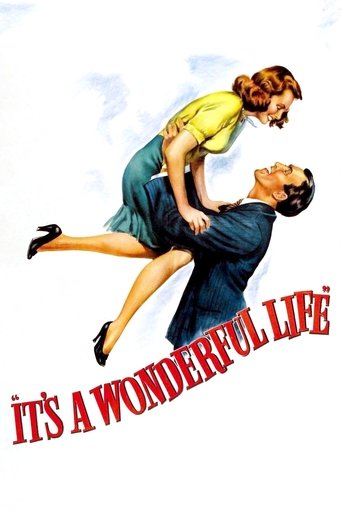
It's a Wonderful Life (1946)
Directed by Frank Capra
RecapRush considers George Bailey’s difficulty receiving help and Mary’s practical response, reading the final gathering as care that can move in both directions.
Overview, poster, and credits from TMDB.
Read and watch our analysis ↓FROM THE RECAPRUSH LIBRARY · ANALYSIS
It’s a Wonderful Life (1946): George Is Allowed to Need Help
6 min read · Estimated reading time— views
RecapRush Viewpoint: George Is Allowed to Be the One Who Needs Help
George Bailey has become so accustomed to being necessary that needing other people feels like a collapse of his identity. It’s a Wonderful Life brings him home to a room where the direction of care has changed. Others are doing something for him, and he does not have to solve the problem before he can belong there.
RecapRush reads that reversal as the ending’s most generous possibility. George’s past kindness matters. But the final gathering becomes more moving when we resist turning it into a receipt proving that he has purchased enough goodwill to deserve rescue.
Spoilers for It’s a Wonderful Life (1946), including its ending. This is an original interpretation of the released film, supported by brief factual context.
Quick Facts
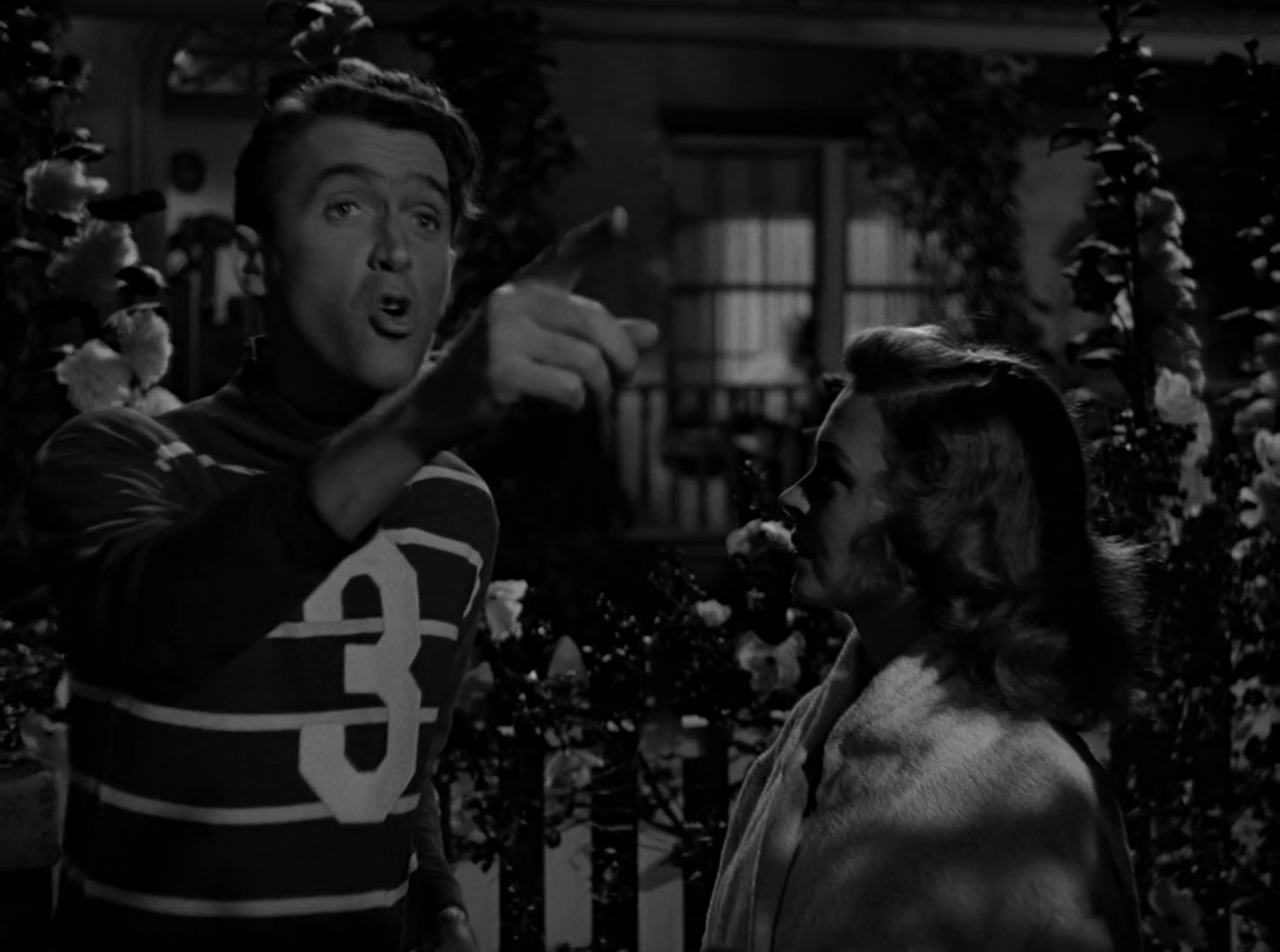
- Director: Frank Capra. Screenplay: Frances Goodrich, Albert Hackett and Capra.
- Release: December 20, 1946 New York opening; January 7, 1947 national release, as recorded by AFI.
- Runtime: 131 minutes in Paramount’s current listing. AFI records differing catalogue runtimes; no separate story version is inferred here.
- Principal cast: James Stewart — George Bailey; Donna Reed — Mary Hatch; Lionel Barrymore — Mr. Potter; Thomas Mitchell — Uncle Billy; Henry Travers — Clarence.
- Identity: IMDb tt0038650 · TMDB 1585.
- Collection: #21 in our November 1, 2026 dated IMDb Top 250 archive, not a live ranking.
When Responsibility Becomes a Private Burden
George repeatedly stays in Bedford Falls while the larger life he imagines recedes. A financial crisis at the building and loan finally makes his responsibilities feel unbearable. Clarence then shows him a version of the town in which he never existed.
The fantasy offers a powerful correction to George’s belief that he has achieved nothing. Yet our reading needs a second correction as well: discovering that you have mattered should not mean you must keep carrying everything alone. Otherwise the film’s consolation risks becoming another demand. You are important, so you must never become exhausted.
What interests us is the way George’s usefulness can trap him inside a narrow understanding of himself. If he must always be the person who keeps the institution going and protects everyone else, a problem he cannot fix threatens more than his reputation. It threatens the role through which he knows how to accept love.
A Town Is More Than Evidence in His Defence
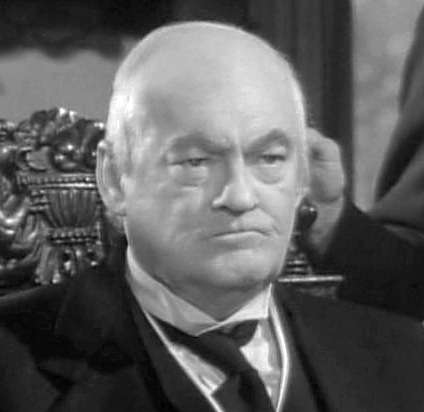
Clarence’s alternative town makes George’s absence visible. The film asks us to notice connections that an individual cannot easily see while living inside them. A decision can matter beyond the moment when it feels like a lost opportunity.
More from RecapRush
 Beauty and the Beast (2017) Recap & Ending Explained: Why the Last Petal Is Not the End
 The Bridge on the River Kwai (1957) Recap & Ending Explained: Why Nicholson Protects the Wrong Victory
 Harry Potter and the Deathly Hallows: Part 2 (2011) Recap & Ending Explained: The Power Harry Refuses to Keep
But there is a limit to treating those connections as a defence brief. George should not need an angel to assemble a list of achievements before his life can have value. For RecapRush, the fantasy works best as an answer to isolation, rather than a universal test of whether someone has been useful enough.
This also keeps the townspeople from becoming mere evidence of George’s goodness. They have choices to make. Their final response matters because they are capable of recognizing a need and acting on it. A community that depends entirely on one man’s endless sacrifice would remain fragile, however admirable that man might be.
Ending Explained: Mary Changes Who Is Doing the Helping
Cast and Characters
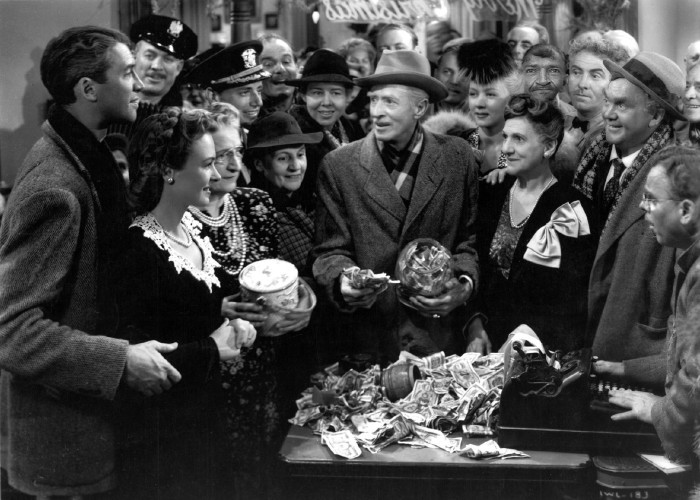
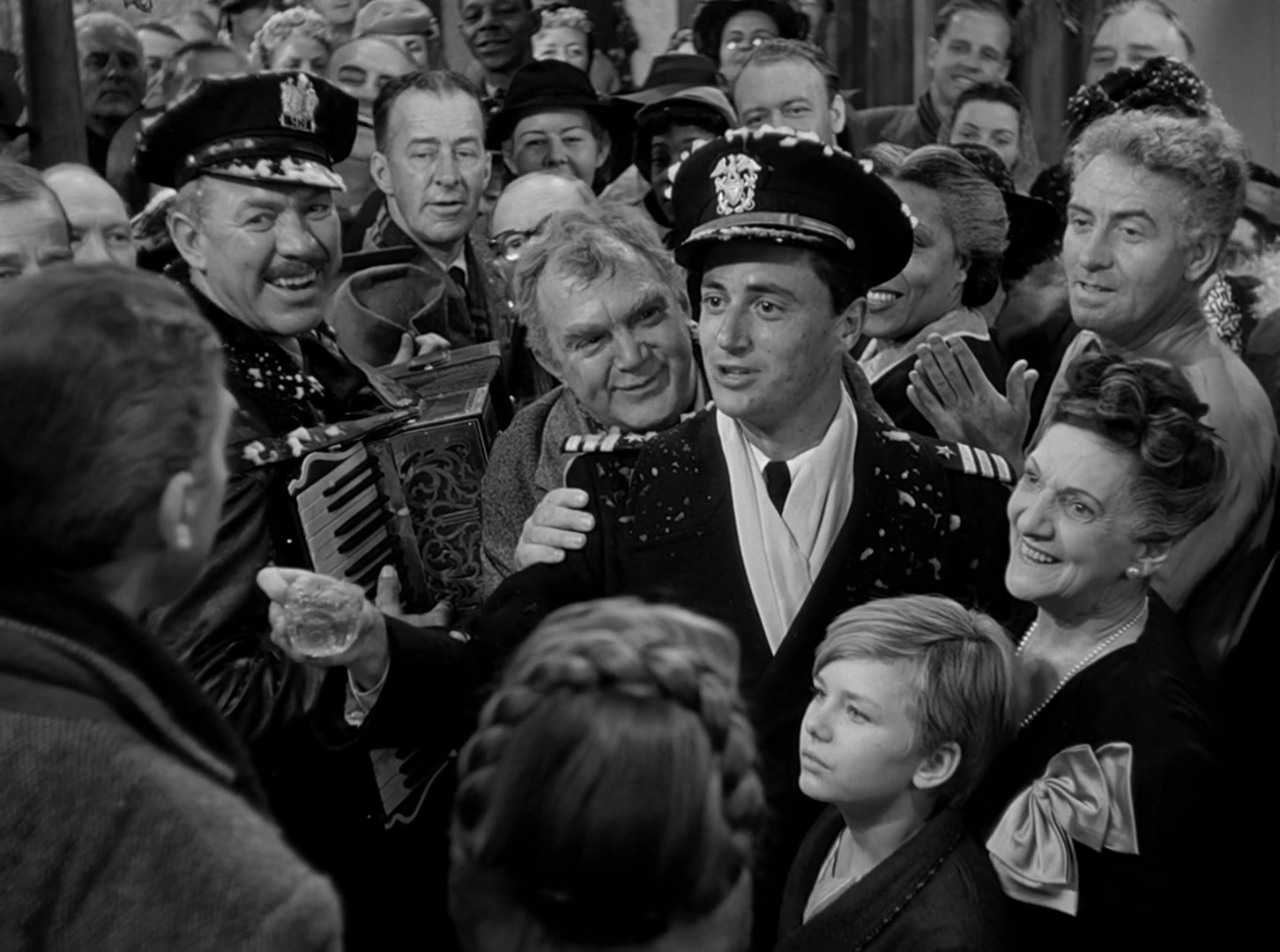
George asks to return to his life. At home, Mary has brought friends and relatives together, and they contribute money to help him. Harry’s toast recognizes his brother’s place in their lives.
Our emphasis falls on Mary’s action. The ending does not consist only of George learning a private lesson and seeing the same circumstances more positively. Someone has organized a response. The money on the table gives the emotional reassurance a practical form: he is facing a real crisis, and other people share its weight.
Receiving that help changes what belonging can mean. George can stand among the people who need him while also being someone who needs them. The relationship survives a reversal of roles. His failure to solve this problem alone is not a failure to remain part of the town.
That is why we would not reduce the gathering to a reward paid out for good behaviour. Repayment closes an account. The scene feels larger because it opens a relationship in another direction, allowing the giver to receive without first restoring his appearance of self-sufficiency.
Final Thought
The title does not require every frustration in George’s life to have been secretly pleasant. His missed possibilities still matter. RecapRush finds the ending’s hope in a more modest change: he can recognize his life as worth returning to, and the people around him can help make that return possible. He is allowed to belong even when he is the one who needs holding up.
Join the conversation
What did you think of the ending? Share your interpretation. Spoilers may appear below.
This product uses the TMDB API but is not endorsed or certified by TMDB.
No comments yet. Start the conversation.