
RECAPRUSH MOVIE GUIDE
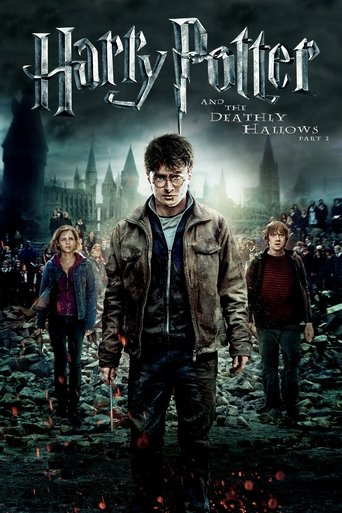
Harry Potter and the Deathly Hallows: Part 2 (2011)
Directed by David Yates
Harry, Ron and Hermione pursue Voldemort’s remaining Horcruxes as Hogwarts prepares for battle. Snape’s memories force Harry to face the soul fragment within himself before the final confrontation.
Overview, poster, and credits from TMDB.
Read and watch our full recap ↓FROM THE RECAPRUSH LIBRARY · FULL RECAP
Harry Potter and the Deathly Hallows: Part 2 (2011) Recap & Ending Explained: The Power Harry Refuses to Keep
16 min read · Estimated reading time— views
Intro + RecapRush Viewpoint
Harry Potter and the Deathly Hallows: Part 2 brings the search for Voldemort’s Horcruxes back to the place that first gave Harry a home. Hogwarts is now a battleground, and the promise of safety attached to it has become something its teachers and students must actively defend.
RecapRush viewpoint: The finale’s most meaningful victory comes after the spectacular confrontation. Harry must decide what to do with power once he has the right to possess it. Our reading is that his refusal to keep the Elder Wand completes a moral distinction the battle alone cannot settle: defeating a tyrant does not automatically mean rejecting the tyrant’s ambitions.
Full spoilers follow, including Snape’s memories, Harry’s walk into the forest, Narcissa’s lie, Nagini’s death and the epilogue. This article covers David Yates’s released 2011 film. Book-specific explanations are not inserted into scenes that do not show them, and the film’s wand ending is treated as its own adaptation choice.
Featured Image
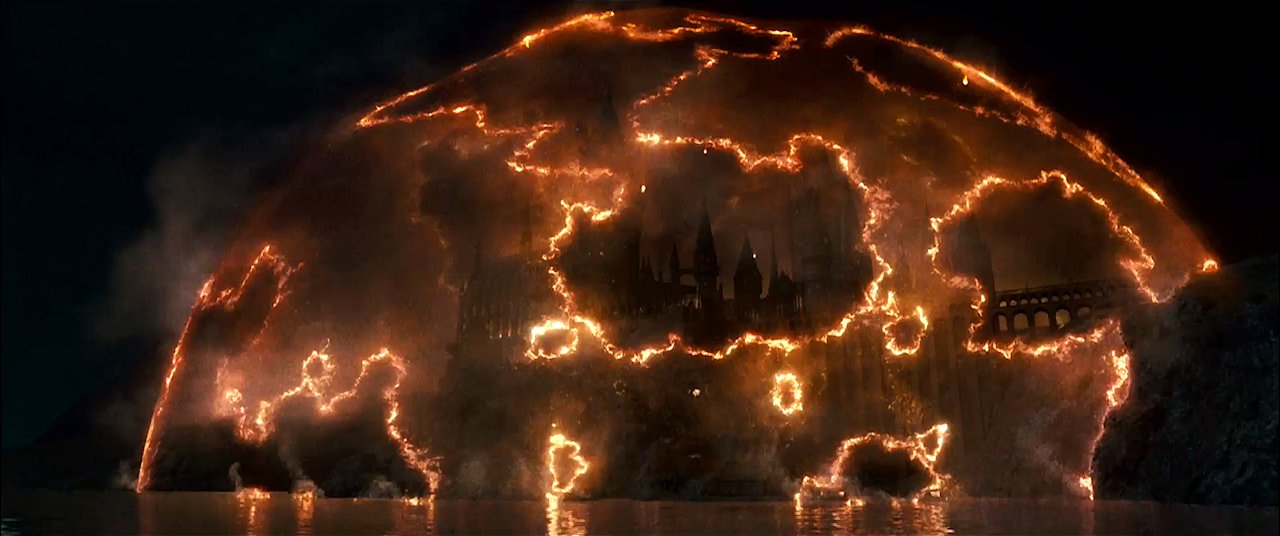
Table of Contents
Quick Facts
- Official title: Harry Potter and the Deathly Hallows: Part 2
- Year and status: 2011; released feature film
- US and UK theatrical release: July 15, 2011
- Director: David Yates
- Screenplay: Steve Kloves
- Based on the novel by J.K. Rowling
- Producers: David Heyman, David Barron and J.K. Rowling
- Distributor: Warner Bros. Pictures
- Runtime: approximately 130 minutes, as catalogued by the British Council and ACMI
- Genres: Adventure, Fantasy
- TMDB movie identity: 12445 — https://www.themoviedb.org/movie/12445
- Position in the original film series: eighth film; the second half of the Deathly Hallows adaptation
- RecapRush collection: #24 in the fixed October 29, 2026 Worldwide lifetime Box Office Top 30 snapshot. This is a dated collection rank, not a live recalculation.
Production credits and the theatrical date are supported by the Warner Bros./IMAX release announcement. ACMI independently identifies the exact film as TMDB movie 12445. No unverified lifetime gross is displayed. [1, 2, 3]
Full Spoiler Recap
1. The final search begins with a bargain
After Dobby’s burial, Harry, Ron and Hermione enlist Griphook to enter Bellatrix Lestrange’s Gringotts vault. Their target is Hufflepuff’s cup, another Horcrux. Griphook demands the Sword of Gryffindor, takes it and abandons them once they are inside. The trio escape the bank on its captive dragon, carrying the cup. [4, 5]
The sequence makes success feel compromised. They have recovered something essential, but obtaining an object and completing the task attached to it remain different problems.
2. Hogwarts prepares to resist
The search leads back to Hogwarts and Ravenclaw’s lost diadem. Aberforth Dumbledore helps the trio reach the school through a concealed route. Harry confronts Snape; McGonagall drives the headmaster away, and the castle’s defenders organize against Voldemort. Ron and Hermione destroy the cup with a basilisk fang. Harry finds the diadem in the Room of Requirement, where a confrontation with Draco and his companions becomes a firestorm. The trio rescue Draco and Blaise; Harry pierces the diadem with a fang before Ron kicks it into the flames. [4, 5]
The search is no longer separate from the war around it. Destroying the objects will make Voldemort vulnerable, but other people must keep fighting long enough for that work to matter.
3. Snape’s memories change the meaning of his actions
Voldemort believes killing Snape will secure mastery of the Elder Wand. Snape is fatally attacked and gives Harry his memories. In the Pensieve, Harry learns about Snape’s love for Lily, his allegiance to Dumbledore and their agreement concerning Dumbledore’s death. He also learns that a fragment of Voldemort’s soul lives inside him: the enemy’s protection cannot be completely removed while that fragment remains. [4, 6]
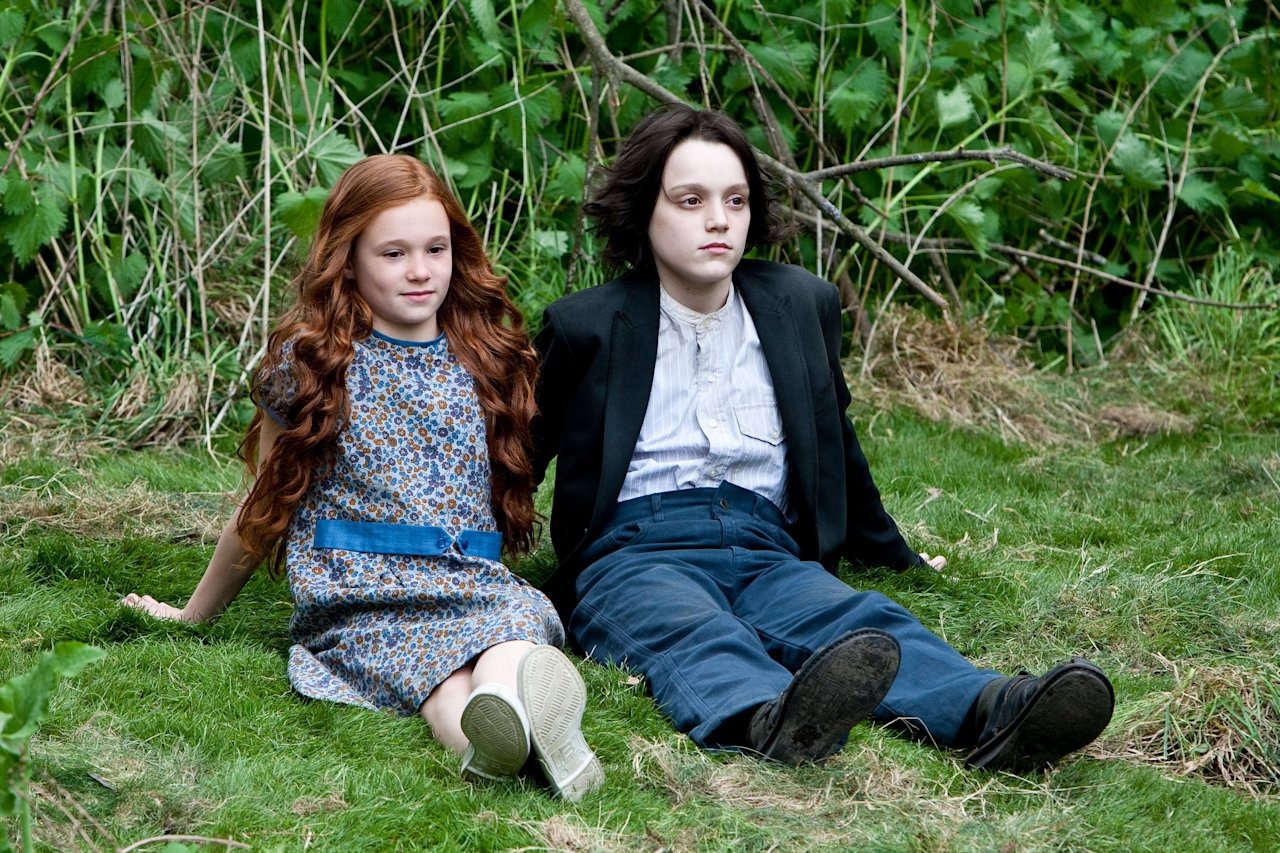
The revelation supplies knowledge, not comfort. Harry’s understanding of Snape changes at the moment he discovers that his own part in the struggle may require more than surviving it.
4. Harry goes to the forest
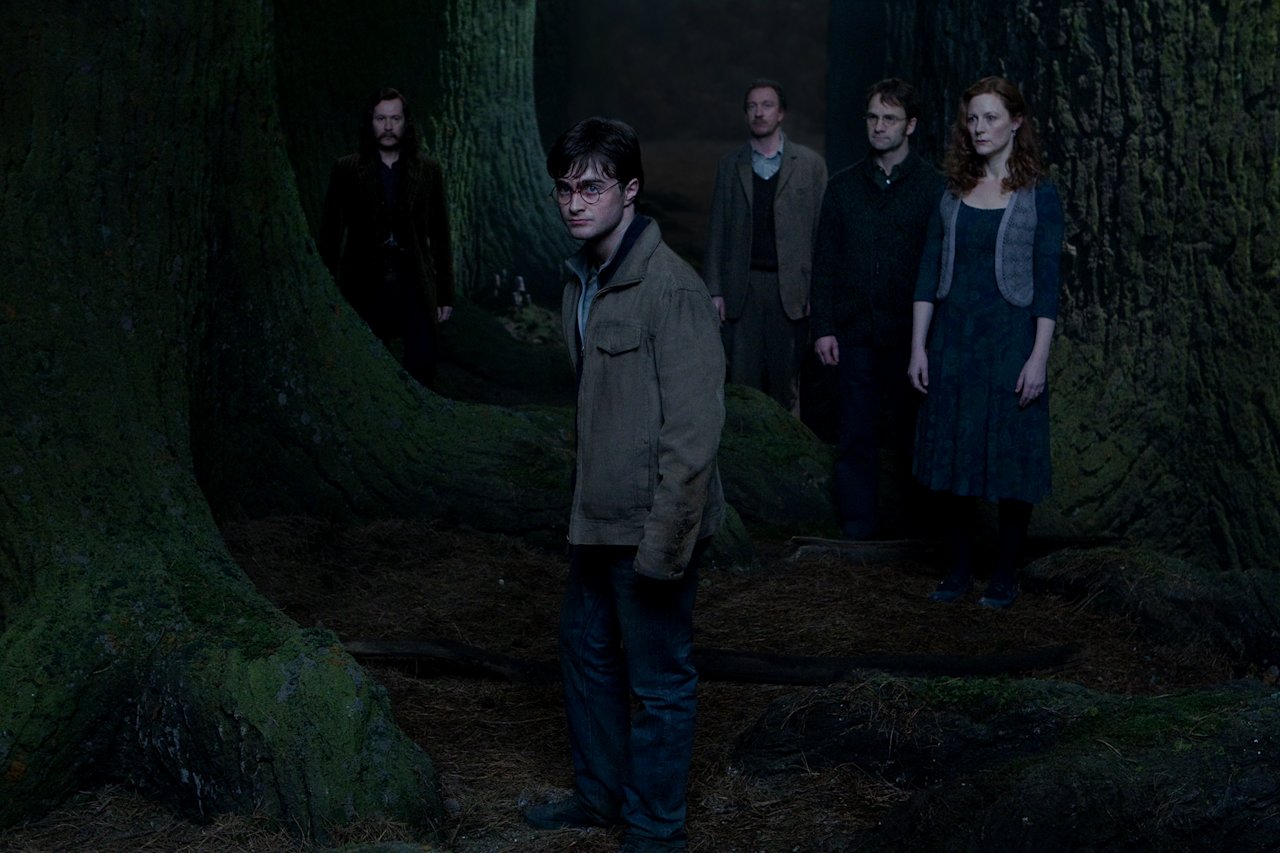
The Resurrection Stone hidden in the Snitch allows Harry to see the loved ones he has lost. He approaches Voldemort and accepts the Killing Curse. In the luminous, King’s Cross-like space that follows, Dumbledore explains that the soul fragment within Harry has been destroyed; Harry can return. Back in the forest, Narcissa discovers he is alive but declares him dead after learning that Draco is alive at Hogwarts. [4, 7, 8]
Her deception is a crucial opening. Voldemort believes he can display Harry’s body as proof that resistance has become meaningless. He does not know that the claim holding this performance together is false.
5. The last Horcrux falls, and Voldemort loses
Harry reveals that he has survived. The battle resumes; Molly Weasley kills Bellatrix, and Neville destroys Nagini with Gryffindor’s sword. With the Horcruxes gone, Voldemort is mortal. Harry wins their final confrontation. He later explains that the Elder Wand’s allegiance passed from Dumbledore to Draco and then to Harry, rather than to the man physically carrying it. Harry breaks the wand and discards the pieces. [4, 5, 9]
Nineteen years later, Harry and Ginny, Ron and Hermione, and Draco are at King’s Cross as the next generation leaves for Hogwarts. Harry reassures his son Albus Severus, whose names preserve the memory of Dumbledore and Snape. The final movement is toward an ordinary departure rather than another display of magical supremacy. [6, 10]
Cast + TMDB
Cast and Characters
The film’s verified identity is TMDB movie 12445, not Deathly Hallows: Part 1 or a later television adaptation. The studio announcement establishes the principal cast; the exact film’s cast records cross-check the roles. [1, 3, 4, 5]
- Daniel Radcliffe — Harry Potter
- Rupert Grint — Ron Weasley
- Emma Watson — Hermione Granger
- Ralph Fiennes — Lord Voldemort
- Alan Rickman — Severus Snape
- Michael Gambon — Albus Dumbledore
- Matthew Lewis — Neville Longbottom
- Maggie Smith — Minerva McGonagall
- Tom Felton — Draco Malfoy
- Helena Bonham Carter — Bellatrix Lestrange
Other important performances include Helen McCrory as Narcissa Malfoy, Julie Walters as Molly Weasley, Warwick Davis as Griphook and Filius Flitwick, Ciarán Hinds as Aberforth Dumbledore, and Evanna Lynch as Luna Lovegood. These roles belong to the released film, not a speculative remake cast.
Ending Explained
Why Harry survives the forest
The film’s immediate explanation concerns the unwanted piece of Voldemort inside Harry. Voldemort’s curse destroys that fragment. The white station-like encounter gives Harry a choice to return; it is not a scene in which he physically catches a train back from an ordinary railway platform. [4, 10]
The Resurrection Stone must also be kept separate from this explanation. It brings Harry the presence of his lost loved ones, not a group of physically restored companions who win the battle for him. It is not shown functioning as a device that automatically resurrects its owner. [7, 11]
RecapRush interpretation: Harry’s walk matters because he cannot treat his own safety as the condition on which everybody else’s future depends. He has spent much of the story trying to remain alive under other people’s plans. Here, he acts on the knowledge available to him without possessing a guarantee that he will return. The emotional force comes from that uncertainty, not from imagining that he has secretly solved every magical mechanism in advance.
Why the Elder Wand does not belong to Voldemort
Voldemort confuses possession with allegiance. He has the wand in his hand, and he assumes that killing Snape completes the necessary transfer. But Draco disarmed Dumbledore before Snape killed him; Harry subsequently overcame Draco at Malfoy Manor. The wand’s loyalty follows that chain to Harry. Murdering Snape therefore does not give Voldemort what he wants. [9]
The distinction is the practical explanation for the final reversal. It also supports a larger interpretation: Voldemort assumes that domination is the only meaningful language of power. His confidence makes him overlook forms of transfer and loyalty that do not fit his preferred account of how the world works.
This should not be expanded into a universal rule that every dropped wand changes owners forever. The official wandlore material is more qualified. The relevant point is this specific chain, which Harry explains after the film’s battle.
Why Harry breaks the wand
The film shows Harry snapping the Elder Wand and throwing away its pieces. It does not show him first repairing his original holly wand. Importing that book event would change what this adaptation actually presents. [4, 12]
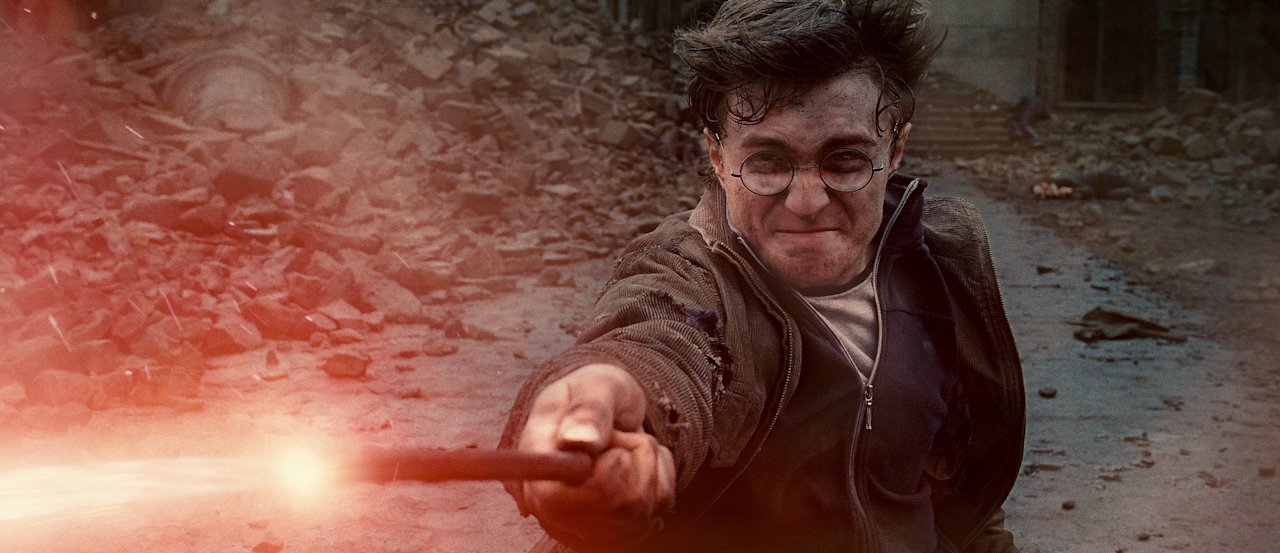
Our interpretation: Harry’s decisive act is a refusal to turn rightful ownership into a new personal throne. He could preserve the instrument that attracted so much violence. Instead, he removes it from the future he intends to inhabit. Victory becomes something other than inheriting the defeated enemy’s ambition.
More from RecapRush
 Klara and the Sun (2026) Recap & Ending Explained: Why Josie’s Goodbye Is Not Proof of a Cure
 Resident Evil (2026) Recap & Ending Explained: Does Bryan Ever Get the Cure?
 Buddy (2026) Recap & Ending Explained: Why Freddy Escapes the Show but Cannot Go Home
The scene is emotionally clear even if a viewer wants a fuller explanation of its practical consequences. That is both its strength and its limitation. As cinema, the broken object makes a choice visible immediately. As the conclusion to a complicated magical history, the brief exchange leaves some questions outside the frame.
Deep Analysis & Key Themes
The real inheritance is permission to choose differently
An inherited conflict can make the future feel prewritten. A child receives names, enemies, debts and explanations before being old enough to evaluate any of them. The interesting question is not whether those things can simply be forgotten. It is whether receiving them obliges the next person to repeat them.
Our reading is that Harry’s maturity lies in separating inheritance from instruction. Knowing why an older generation made a decision does not require approving every part of it. Understanding an enemy does not require adopting the enemy’s desires. Possessing a powerful object does not require organizing the rest of one’s life around its preservation.
That is why the finale needs an aftermath. If the story stopped at the enemy’s destruction, it would leave open whether Harry intended to occupy the same position under a different moral label. The quieter choice afterward tests the values for which the louder battle was supposedly fought.
Snape’s revelation changes the record without erasing the damage
The memory sequence invites a radical reassessment of a familiar person. It is powerful because earlier behavior can now be understood within a larger pattern of risk, grief and divided allegiance. But understanding a hidden motive is different from declaring every visible action justified.
RecapRush reading: Snape’s courage can coexist with an unresolved account of the pain surrounding him. A moving explanation should not become a solvent that removes all moral difficulty. The story is more interesting when compassion enlarges the record rather than replacing one simplistic verdict with its opposite.
Harry is allowed to recognize a sacrifice he did not previously understand. Viewers are also allowed to ask what that recognition can and cannot settle. The strongest response to the revelation is neither to deny its importance nor to use it to make the character uncomplicated. It is to accept that someone can do something indispensable while remaining a difficult person to remember.
Narcissa breaks the tyrant’s claim on her priorities
Narcissa’s lie turns a supposedly loyal witness into a point of failure. Her decision is connected to Draco’s survival, not to a sudden speech embracing every principle of the people opposing Voldemort. [8]
Our interpretation is that this makes her intervention more specific and more revealing. Tyranny imagines that allegiance has absorbed every other bond. Yet a person may retain a commitment the regime cannot entirely own. When that commitment conflicts with obedience, the regime discovers that its control was less complete than its ceremonies suggested.
The film does not need to transform the Malfoys into unblemished heroes for the decision to matter. One act can change an outcome without completing a person’s moral history. That distinction helps the scene avoid becoming a convenient substitute for the much longer work of accountability.
Neville makes courage independent of centrality
Neville’s contribution matters to our reading of the ensemble because he is not merely present to confirm Harry’s exceptional status. He has an action to perform that no amount of attention on the central duel can replace.
The point is larger than a reassuring message about an underestimated student. A community becomes fragile when it can imagine agency only in its most recognizable member. The finale is stronger when its hope is distributed: someone must resist, someone must protect, someone must complete a task that the leading figure cannot complete alone.
This also changes how we understand loyalty. Loyalty is not simply waiting for the central person to issue the next instruction. It can involve acting when that person appears to be gone. A shared purpose survives only if others are capable of carrying it.
Hogwarts is a home because people defend its meaning
The castle’s scale makes it a natural object of spectacle. But a building is not automatically a refuge because an audience recognizes its silhouette. Our reading is that the defense of Hogwarts concerns the possibility of belonging attached to that architecture.
That possibility is imperfect. A place can offer shelter while carrying its own hierarchies and exclusions. Defending it need not mean declaring its history flawless. It can mean preserving enough of a community for its survivors to have a future in which repair remains possible.
This is why an image of protective magic can carry more emotional force than an image of overwhelming attack. Its purpose is bounded. It exists to keep something vulnerable from being consumed, not to prove that vulnerability has been permanently abolished.
The epilogue measures victory in ordinary time
Nineteen years is an enormous change in scale after a story organized around immediate danger. A departure for school can now be a source of anxiety without being a military emergency. [10]
Our reading is that the epilogue gives the finale a standard of success outside the language of combat. A victory has value if people can eventually worry about smaller things. Parenting, friendship and an uncertain first day are not a lesser conclusion than the defeat of a villain; they are some of the reasons that defeat mattered.
The sequence can feel very tidy after so much loss. That reservation is understandable. Yet it need not be read as a claim that every wound has disappeared. It can be read as a compressed image of continued life: the past remains present in names and memories, but it no longer occupies every available moment.
What Most Viewers Missed
Hallows and Horcruxes answer different desires
The Deathly Hallows are the Elder Wand, the Resurrection Stone and the Invisibility Cloak. Horcruxes preserve separated fragments of a soul. They are not two labels for one collection of magical objects. [13, 14]
Our interpretation: Confusing the categories also obscures the emotional argument. One line of the story concerns what someone will do to avoid death; another concerns how someone can face death without making domination the purpose of life. Harry’s decisions matter more than completing a collector’s checklist.
The bright memory is doing structural work
The childhood image of Lily and Snape interrupts a finale dominated by damaged spaces and dark colors. The contrast changes how the audience receives the past: it becomes a lived world containing possibilities, rather than a set of facts delivered to solve a plot puzzle.
In our reading, this is what makes the sequence hurt. A memory can show an earlier openness that the viewer already knows will narrow. Its tenderness does not cancel the future; it makes the distance between them visible.
A final duel cannot contain every emotional ending
Our main reservation is that the forward pressure of the finale leaves unequal space for its many losses. Some characters receive a concentrated scene; others must be carried by a brief image and the audience’s earlier attachment. The story’s scale is part of its appeal, but also a reason its emotional accounting cannot feel equally complete for everyone.
That does not make the ending empty. It makes the smaller choices especially important. A recollection, a refusal or a gesture after the fighting can preserve a kind of meaning that another effects sequence would not have time to articulate.
Mid/Post Credits
There is no mid-credits or post-credits narrative scene in the standard released film. The nineteen-years-later railway-station sequence is part of the main ending before the credits, not a hidden bonus scene. [15]
Final Thoughts
Deathly Hallows: Part 2 succeeds most strongly when its enormous conflict resolves into choices that cannot be measured by magical force. The film sometimes compresses grief and explanation in order to keep its finale moving. Its best moments slow down long enough to ask what survival is supposed to make possible.
RecapRush verdict: Harry’s final strength is the ability to stop treating power as a possession that must justify his life. Once the fighting is over, he can choose a future whose meaning does not depend on keeping the most dangerous object in the room. The return to ordinary time gives that refusal somewhere to lead.
Join the conversation
What did you think of the ending? Share your interpretation. Spoilers may appear below.
This product uses the TMDB API but is not endorsed or certified by TMDB.
No comments yet. Start the conversation.