
RECAPRUSH MOVIE GUIDE
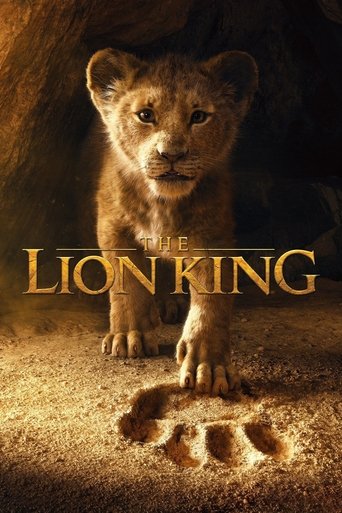
The Lion King (2019)
Directed by Jon Favreau
Exiled after his father’s death, Simba grows up far from the Pride Lands until an appeal from home forces him to confront both his assumed guilt and Scar’s rule.
Overview, poster, and credits from TMDB.
Read and watch our full recap ↓FROM THE RECAPRUSH LIBRARY · FULL RECAP
The Lion King (2019) Recap & Ending Explained: Simba Must Return Before He Can Be Cleared
14 min read · Estimated reading time— views
Intro + RecapRush Viewpoint
A false accusation can become a prison without walls when the accused person believes it. The Lion King (2019) gives Simba a comfortable life far from home while leaving the story he tells about himself almost untouched. Distance changes his surroundings. It does not correct his understanding of his father’s death.
The RecapRush viewpoint: Simba’s return matters because he undertakes it before he knows that Scar murdered Mufasa. He cannot wait for innocence to arrive as permission to act. The film separates the responsibility he genuinely has toward others from the guilt someone else has placed on him, then asks what happens when he stops treating them as the same thing.
This full-spoiler article covers Jon Favreau’s released 2019 remake, with its own cast and screen events. It does not substitute the 1994 film or import revelations from Mufasa: The Lion King. Plot summaries are sourced; passages labeled as interpretation are RecapRush’s editorial reading.
Featured Image

Table of Contents
Quick Facts
- Official title / year: The Lion King / 2019
- Director: Jon Favreau
- Screenplay: Jeff Nathanson
- Producers: Jon Favreau, Jeffrey Silver and Karen Gilchrist
- Original US theatrical release: July 19, 2019
- Runtime / US rating: 118 minutes / PG
- Form: photorealistic animated musical remake of Disney’s 1994 film
- Genres: adventure, animation, drama and family
- Collection position: #14 in RecapRush’s fixed October 29, 2026 Worldwide lifetime box-office snapshot; separate from the weekly domestic chart
Disney’s exact-film page supplies the US opening, runtime and creative credits. The TMDB-attributed catalogue and Wikidata independently match the 2019 film to 420818. Territorial dates vary; the date above is specifically the US release. No current gross figure is displayed. [1–4]
Full Spoiler Recap
1. An heir learns the wrong lesson about power
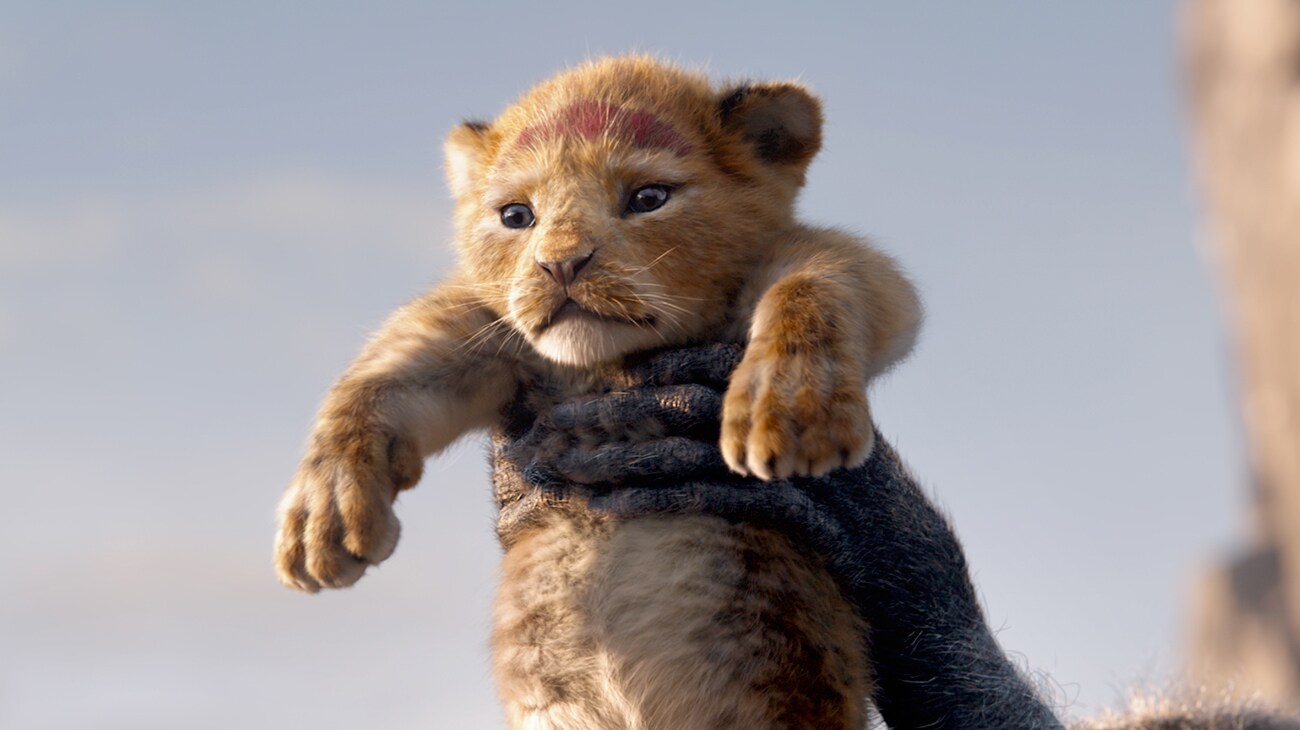
Rafiki presents Mufasa and Sarabi’s cub, Simba, to the assembled animals. Mufasa teaches him that kingship carries responsibilities, while Scar resents being displaced in the succession. Scar tempts Simba toward the elephant graveyard. Simba takes Nala there, escaping Zazu’s supervision, and the cubs encounter Shenzi’s hyenas. Mufasa rescues them. Scar then recruits the hyenas into a plan to remove both the king and his heir. [5]
2. Scar controls the explanation of the catastrophe
The hyenas trigger a wildebeest stampede through the gorge where Scar has left Simba. Mufasa saves his son but cannot escape unaided. Scar throws his brother to his death, then persuades the grieving cub that the disaster is his fault. Simba flees; the hyenas sent after him fail to kill him. Scar announces that both Mufasa and Simba are dead and takes power. [5]
3. Exile supplies a home and an unfinished answer
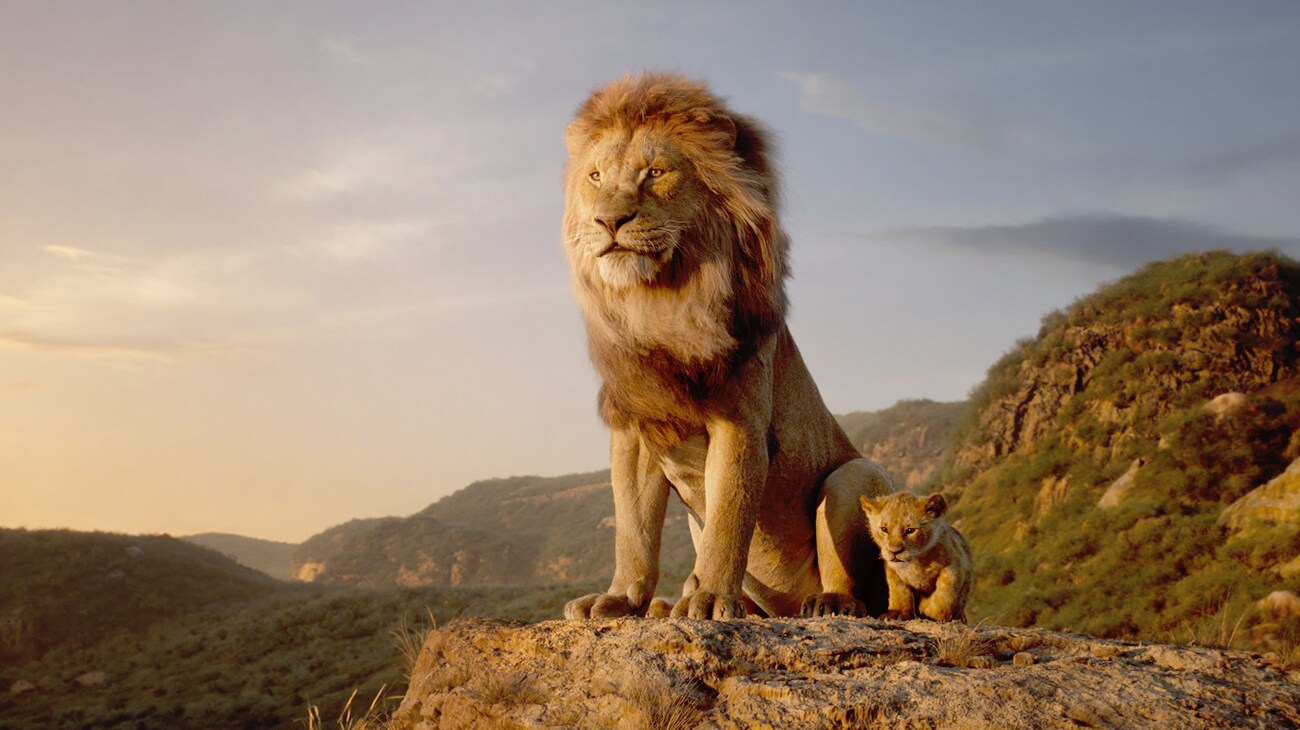
Timon and Pumbaa rescue Simba in the desert and raise him in their oasis. He grows up with their carefree philosophy while retaining his guilt. Back home, Scar’s rule depletes the Pride Lands. Adult Nala finds Simba and urges him to return, but he refuses. Rafiki later leads him toward an encounter with Mufasa’s presence in the night sky. Simba decides to go home, joined by his friends. [6]
4. The return forces a hidden truth into public view
At Pride Rock, Scar uses Simba’s supposed responsibility for Mufasa’s death against him. Simba admits the guilt he believes he carries. Scar then privately reveals that he killed Mufasa, prompting Simba to fight back and force a confession. Sarabi challenges Scar’s earlier account of what he witnessed. The confrontation becomes a battle between Simba’s allies and the hyenas. [7]
5. Scar loses the alliance he treated as disposable
Cornered, Scar blames the hyenas and asks for mercy. Simba orders him into exile, but Scar attacks again. Simba defeats him and throws him from the ledge. Scar survives the fall; the hyenas, having heard his betrayal, kill him. Simba takes his place as king, the land recovers, and Rafiki presents Simba and Nala’s newborn cub. The closing ceremony is part of this film’s ending, not a separate sequel scene. [6]
Cast + TMDB
Cast and Characters
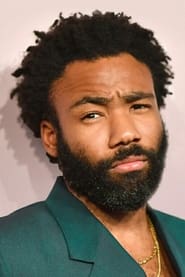


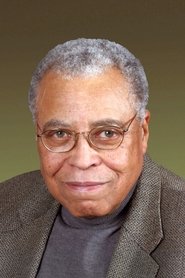


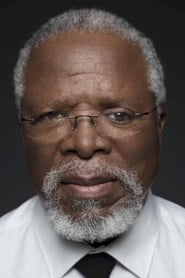

These are voice performances in the 2019 remake. The younger and adult versions of Simba have different performers. [1, 2]
Exact TMDB movie record: https://www.themoviedb.org/movie/420818
Shahadi Wright Joseph voices young Nala; Florence Kasumba voices Shenzi, with Keegan-Michael Key as Kamari and Eric André as Azizi. [2]
The cast’s distinction between the young and adult Simba supports an important feature of the story: physical maturity arrives well before his account of the past changes. Growing into a larger body does not, on its own, replace the explanation he accepted as a cub.
Ending Explained
Why Simba returns before learning the truth
RecapRush interpretation: the order of events prevents the ending from becoming a simple reward for proving innocence. Simba first accepts that his absence has consequences for a community he still belongs to. Only after he has acted on that obligation does the confrontation expose Scar’s crime.
That distinction gives the return moral weight. If Simba waited for a complete vindication, he would be making service conditional on a clean personal history. Instead, he moves toward a difficult responsibility while still expecting the past to count against him.
The film does not suggest that Scar’s accusation is true because Simba feels it strongly. It shows that conviction and accuracy can come apart. The practical step toward home creates the conditions in which the false story can finally be challenged.
Confession and truth are not interchangeable
RecapRush interpretation: when Simba admits what he believes happened, his sincerity cannot make the accusation correct. Scar exploits precisely that vulnerability. He treats an emotionally credible admission as though it were independent evidence of the event.
The confrontation therefore has two tasks. It must establish what happened to Mufasa, and it must free Simba’s identity from the conclusion attached to that event. A public correction matters because the false story has become part of the kingdom’s account of its own succession, not merely a private fear.
The scene can also be read as a warning about authority over interpretation. Scar benefits from being the person who explains the catastrophe, tells the survivor what it means and prescribes the survivor’s next action. He does not need Simba to understand his scheme; he needs the cub to accept his framing.
Why sparing Scar does not lead to reconciliation
Simba offers exile rather than an execution. Scar answers with another attack and eventually dies at the hands of the allies he has blamed. [7]
RecapRush interpretation: the mercy offered does not erase the offense or require restored trust. Simba distinguishes what he is willing to do from what Scar deserves. That boundary would become meaningless if Scar’s apparent submission had to be treated as proof of a changed character.
The outcome also exposes the fragility of Scar’s coalition. His allies are useful to him until accountability becomes unavoidable; then he tries to make them carry it. Their retaliation follows that attempted disposal. The story closes the immediate conflict through the collapse of a relationship organized around convenience.
What the final cub presentation means
RecapRush interpretation: the return to a public ceremony makes renewal visible as a shared event. The image answers the opening, but it carries knowledge that the opening did not. The audience now understands how easily succession can be interrupted and how much can be damaged when entitlement replaces stewardship.
The new cub should be discussed within the evidence of this particular film. This article does not use a name or future story supplied by another installment to explain the 2019 ending. Its immediate point is continuity: a life and a community extending beyond the crisis of one protagonist.
More from RecapRush
 The Final Problem (2026) Ending Explained: Basil Solves the Crime—But Can He Judge the Killer?
 The Fix (2026) Recap & Ending Explained: Why Clay Refuses to Leave Tucker Behind
 The Journey to Gyeongju (2026) Recap & Ending Explained – Ok-sil’s Revenge
Deep Analysis & Key Themes
1. Scar rules through an accusation that outlives his presence
RecapRush interpretation: Scar’s most durable instrument is not force but a story Simba carries away. The accusation travels with its target. A distant refuge can keep Simba physically safe while leaving Scar’s preferred explanation unopposed in his mind.
This makes exile more complex than removal from a territory. Simba is separated from the people who might complicate the accusation and from the public context in which his future has meaning. He can build a new daily life without testing the belief that made departure seem necessary.
The ending’s return is consequently a return to other witnesses and other claims. Scar loses the advantage of an explanation delivered to a child alone in shock. The same history becomes harder to control when the people affected by it are able to speak in one place.
2. Mufasa’s lesson places limits on inheritance
The 2019 dialogue presents the land as something entrusted to a future king for protection, and contrasts taking with giving. That is a specific emphasis in this version’s early conversation, checked against its dialogue transcript. [7]
RecapRush interpretation: inheritance then becomes a demand rather than a blank permission. Simba’s childhood excitement about being king can be understood as excitement about freedom from supervision. Mufasa’s account points in the other direction: the role increases what one owes to other lives.
Scar’s desire exposes the difference. Wanting the position and accepting the obligations that give the position value are separate ambitions. The story’s political imagination remains organized around monarchy, but it still asks the ruler to be judged by the condition of the community rather than by possession of a title alone.
3. Timon and Pumbaa offer real care with a limited philosophy
RecapRush interpretation: their refuge should not be dismissed merely because Simba eventually leaves it. A person can receive essential kindness from people whose explanation of life is not sufficient for every later choice. Gratitude does not require treating the first workable answer as the last one.
The distinction matters because refuge and avoidance can look similar from outside. A pause from obligation may make continued life possible; an unlimited refusal of obligation can leave others carrying the consequences. The story becomes more interesting when we allow the oasis to serve one purpose well without requiring it to serve all purposes forever.
Our reading of Simba’s growth therefore makes room for both homes. He need not declare his friends’ care fraudulent in order to acknowledge that his life also connects him to people beyond the refuge they created.
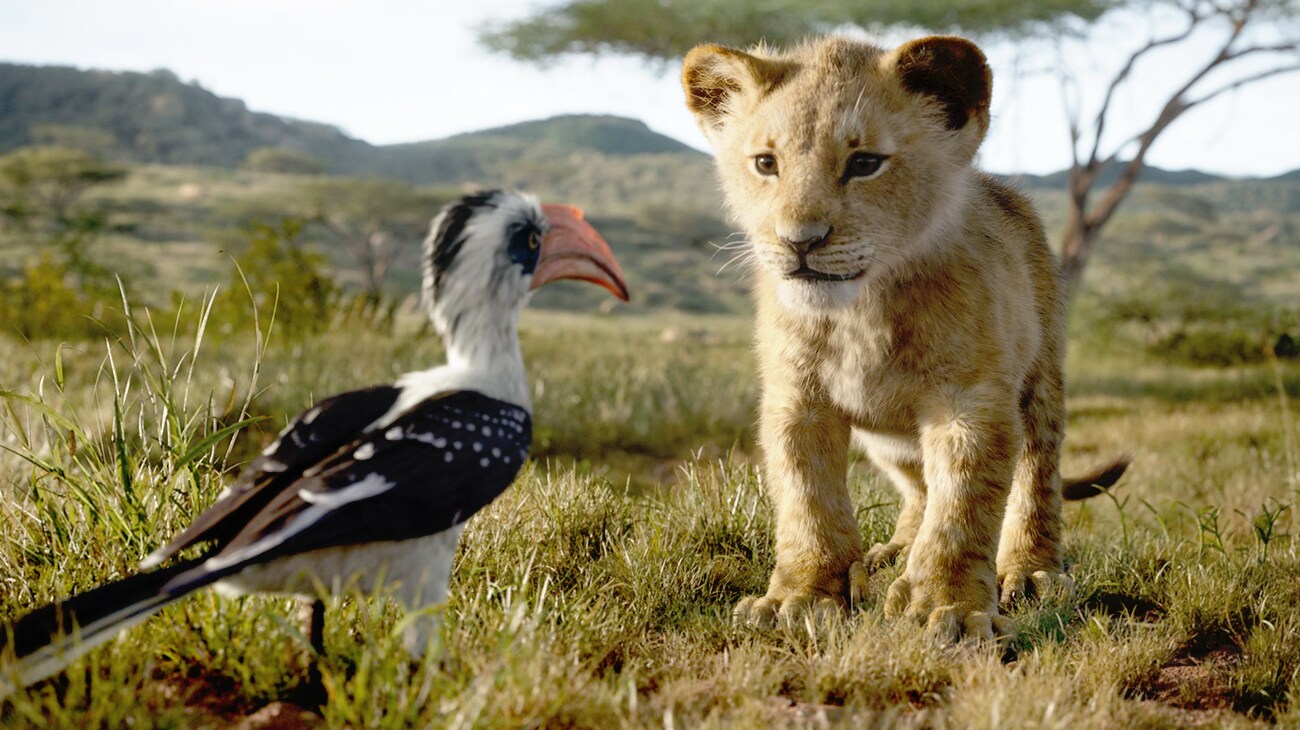
4. Nala changes the question Simba is answering
RecapRush interpretation: someone in exile can become absorbed in the question of whether returning would be bearable. Nala introduces a different question: what continued absence means for the people who cannot simply leave their own circumstances behind.
Her importance is not exhausted by romance or encouragement. She brings information from a world Simba’s new routine has allowed him to keep at a distance. The disagreement becomes a confrontation between his private understanding of survival and her account of a collective need.
That makes the return more than a recovery of ambition. Simba does not need merely to want his old future again. He must recognize that the place he associates with pain contains living people whose present cannot be reduced to his memory of it.
5. The landscape makes leadership legible
RecapRush interpretation: a community’s condition can make an abstract political dispute concrete. A contested claim to a throne asks who should occupy a role; damaged land asks what the existing occupant has done with it. These are related questions, but they are not identical.
The story connects renewal with the possibility of a different relationship between the ruler and the world under his protection. We need not mistake that fairy-tale compression for a literal account of environmental change to understand its dramatic function. The landscape gives consequences a scale larger than personal resentment.
It also places a limit on a revenge reading. Removing the murderer can settle an immediate conflict, but a flourishing community is a different image from a defeated enemy. The ending needs the second image because the hero’s responsibilities extend beyond winning the confrontation.
6. Photorealism changes the work the audience does
RecapRush interpretation: this version asks viewers to read an animal face in a different visual register from a traditionally drawn musical character. The voices may express a large emotional turn while the image supplies relatively small changes of posture, gaze or distance.
That can produce an uneven experience. Some moments gain vulnerability from the apparent physical presence of a small cub in a large world; others ask music and vocal performance to carry expression that the face holds back. Our assessment need not declare either style inherently superior to notice that the balance of information has changed.
A useful way to watch the remake is to attend to scale. How large is the body in the frame? How much space separates two characters? What does the landscape allow a young animal to see or understand? Those questions can reveal choices beyond the simple inventory of which familiar scenes have returned.
What Most Viewers Missed
These are editorial prompts for a second viewing, rather than claims about hidden production intentions.
- Track when knowledge changes. Simba’s decision to return and his discovery of the murder are separate turning points. Combining them would weaken the difficult choice made before certainty arrives.
- Listen for the difference between a title and a task. A character can want recognition as king without sharing the same idea of what kingship requires.
- Notice who supplies the account of the past. Being confident, intimate or authoritative does not make a narrator disinterested.
- Give the refuge its proper value. Timon and Pumbaa’s care can be indispensable without becoming a complete answer to Simba’s future.
- Read the closing ceremony as public renewal. It is larger than one character feeling better and more specific than a promise that the past can be undone.
Mid/Post-Credits
The Lion King (2019) has no post-credits story scene. The cub’s presentation and the return of the title card conclude the film itself. The credits include the song “Never Too Late,” written by Elton John and Tim Rice and performed by John. This article quotes none of its lyrics. [8]
RecapRush interpretation: the ending’s sense of continuity comes from the completed visual circle, not a concealed promise about another adventure. It closes Simba’s immediate return while allowing life beyond that return to remain open.
Final Thoughts
The Lion King (2019) is most persuasive when its familiar royal conflict is read through the difference between guilt and obligation. Simba has been made to carry responsibility for a crime he did not commit. That does not mean he has no responsibilities at all.
His growth lies in approaching the people and place he abandoned before he can be sure how they will receive him. The truth changes his understanding of the past; the decision to return has already begun changing what he can do in the present.
Join the conversation
What did you think of the ending? Share your interpretation. Spoilers may appear below.
This product uses the TMDB API but is not endorsed or certified by TMDB.
No comments yet. Start the conversation.