
RECAPRUSH MOVIE GUIDE
City of God (2002)
Directed by Fernando Meirelles
RecapRush examines Rocket’s choice between photographs of police corruption and a dead gangster, reading his new career as a genuine but constrained opportunity.
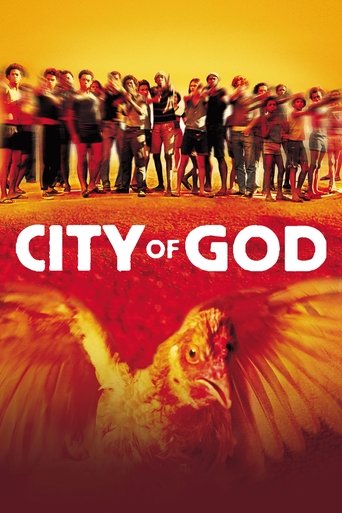
Overview, poster, and credits from TMDB.
Read and watch our analysis ↓FROM THE RECAPRUSH LIBRARY · ANALYSIS
City of God (2002): Rocket’s Escape Leaves a Picture Unpublished
5 min read · Estimated reading time— views
RecapRush viewpoint · Ending spoilers. A photograph can tell the truth while leaving the most powerful people outside the published story. City of God gives Rocket a future through photography, but its ending also shows him choosing which truth he can afford to make visible. We read his success as a real opportunity shaped by fear, rather than proof that his camera has made him completely free.
In this article
- [Quick facts](#quick-facts)
- [The picture that gets him through](#the-picture-that-gets-him-through)
- [Recognition is not the same as control](#recognition-is-not-the-same-as-control)
- [Ending explained: whose future changes?](#ending-explained-whose-future-changes)
- [Final thoughts](#final-thoughts)
- [References](#references)
- [Official trailer](#official-trailer)
Quick facts
- Film: City of God / Cidade de Deus (2002), in Portuguese.
- Direction: Fernando Meirelles; co-direction: Kátia Lund. Screenplay: Bráulio Mantovani, from Paulo Lins’s novel.
- Brazilian theatrical release: August 30, 2002. Runtime: Globo Filmes and NZIFF list 130 minutes; TMDB lists 129.
- Cast: Alexandre Rodrigues — Buscapé / Rocket; Leandro Firmino — Zé Pequeno / Li’l Zé; Phellipe Haagensen — Bené; Seu Jorge — Mané Galinha / Knockout Ned; Matheus Nachtergaele — Sandro Cenoura / Carrot; Jonathan Haagensen — Cabeleira; Douglas Silva — Dadinho.
- Identity: TMDB 598 · IMDb tt0317248. This is the 2002 feature, not the later television continuation.
The picture that gets him through
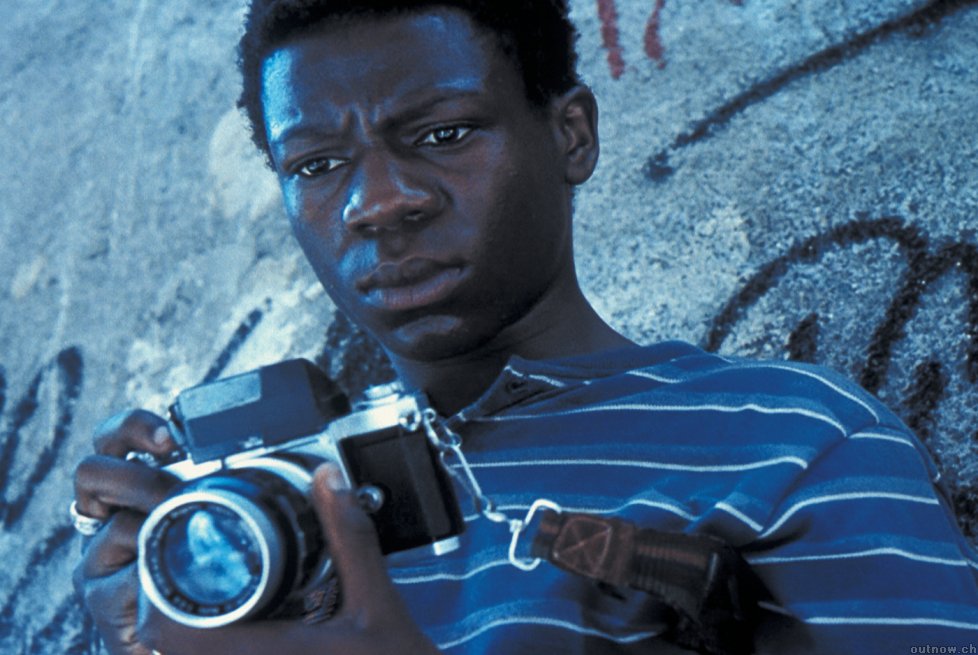
Verified ending context: Rocket photographs police taking Zé’s money and letting him go. The Runts subsequently kill Zé, and Rocket also photographs his body. He chooses the dead gangster’s image for publication rather than the police photographs, securing an internship at the newspaper. The children, meanwhile, plan further killings as they seek control of the drug business.
Our interpretation: The distinction between those images is more revealing than a simple contrast between a camera and a gun. Both photographs record something that happened. Yet the cost of circulating them is different. Rocket’s decision shows that possessing evidence and being able to publish it safely are separate forms of power.
We would not turn that decision into an easy accusation of cowardice. The viewer can demand fearless exposure without having to remain where Rocket lives. His caution belongs to the unequal situation the film has placed him in. At the same time, understanding his choice should not make its limitation disappear: the public image can expose a dead criminal while the living officers remain outside it.
More from RecapRush
 Young Washington (2026) Recap & Ending Explained: The Battle That Forged a Future Leader
 Mare of Easttown (2021) Recap & Ending Explained: Why Solving the Murder Cannot Save Mare’s Friend
 Avengers: Infinity War (2018) Recap & Ending Explained: When Saving Someone Is Not Enough
Recognition is not the same as control
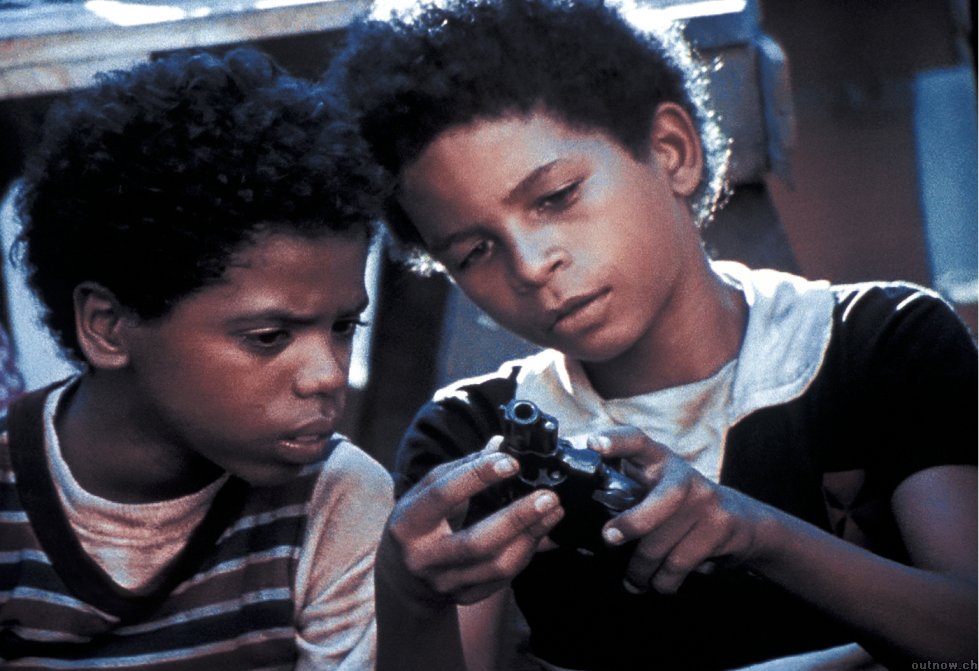
Earlier, Rocket fears the consequences when his photographs of gang members appear in print. The gang’s pleasure in the attention complicates his expectation. Being photographed can serve their ambitions as well as his. The camera does not enter the neighborhood as a tool whose meaning its owner alone decides.
For us, that matters to Rocket’s character. His artistic eye gives him a different relationship to the events around him, but it does not place him above their pressures. He must read other people’s expectations and the risks attached to each encounter. His progress requires judgment as well as talent; neither grants him unlimited control over where an image travels or how its subjects receive it.
The resulting tension makes his ambition more interesting than a guaranteed reward for staying outside the gangs. He finds a way forward, but the way forward passes through the same dangerous world he wants distance from. The camera changes his position within that world before it offers any promise of leaving it behind.
Ending explained: whose future changes?
Cast and Characters
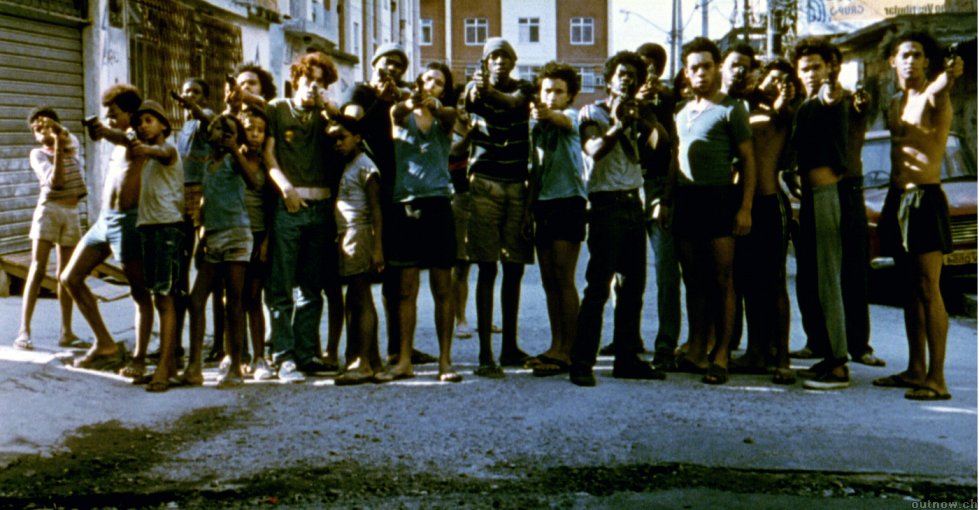
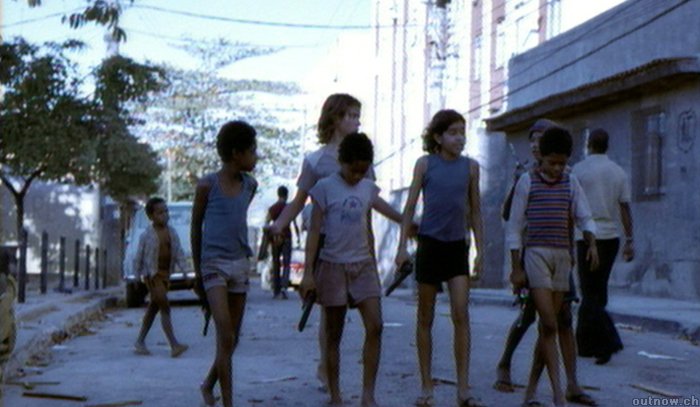
Rocket’s professional opening and the Runts’ plans belong to the same ending. We see the opportunity he has gained without being allowed to mistake it for a transformation of the whole neighborhood. One person’s new direction has not removed the incentives and threats shaping everyone else’s choices.
This makes the unpublished police photograph especially important to our reading. The audience knows more than the eventual published image contains. That difference asks us to keep examining the conditions around a successful story, including the pressures that helped decide what could be shown. Rocket’s achievement deserves acknowledgment, but it cannot stand in for an account of everything he witnessed.
Nor does the children’s continuation make his achievement meaningless. That would reduce him to a symbol required to solve a community’s problems before he could claim any future of his own. The ending is more demanding: it lets his opportunity matter while leaving the larger failures plainly unresolved.
Final thoughts
For RecapRush, Rocket’s escape is compelling because it is partial. He gains work and a voice without gaining the freedom to reveal everything at equal risk. City of God leaves us with the distance between seeing, surviving and publishing—and with a photograph whose absence from the newspaper still belongs to the story.
Join the conversation
What did you think of the ending? Share your interpretation. Spoilers may appear below.
This product uses the TMDB API but is not endorsed or certified by TMDB.
No comments yet. Start the conversation.