
RECAPRUSH MOVIE GUIDE
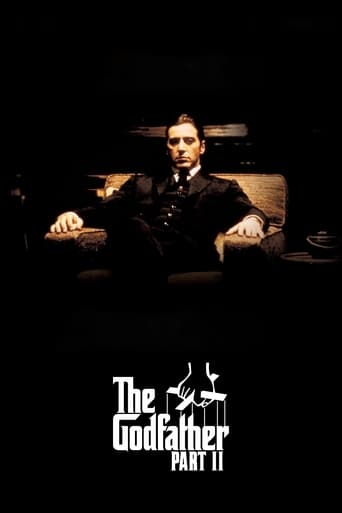
The Godfather Part II (1974)
Directed by Francis Ford Coppola
Michael Corleone consolidates power while the film revisits Vito’s earlier life. RecapRush considers the distinction between delaying harm and forgiving, and the meaning of Michael’s final isolation.
Overview, poster, and credits from TMDB.
Read and watch our analysis ↓FROM THE RECAPRUSH LIBRARY · ANALYSIS
The Godfather Part II (1974): The Difference Between Waiting and Forgiving
6 min read · Estimated reading time— views
RecapRush Viewpoint
The Godfather Part II makes a terrible distinction between postponing harm and abandoning it. Michael Corleone can wait. What he cannot seem to accept is a future in which someone has wounded his authority and is nevertheless allowed to remain his brother.
Our reading: The delay in Michael’s treatment of Fredo makes his eventual choice more disturbing. A decision kept alive through time cannot be explained away as a momentary loss of control. Coppola makes us consider the possibility that patience itself can become an instrument of cruelty.
Full ending spoilers follow. This is a focused analysis of the released 1974 film, with only the story context needed for the argument. It does not import events from Part III or treat Vito’s earlier history as an excuse for Michael’s choices.
Featured Image
Quick Facts + Cast
- Official title: The Godfather Part II
- Year: 1974; a released feature combining Michael’s continuing story with Vito’s earlier life
- Director: Francis Ford Coppola
- Screenplay: Francis Ford Coppola and Mario Puzo
- US general release: December 20, 1974; New York opening December 12
- Runtime: 200 minutes in Paramount’s film listing and the AFI Catalog
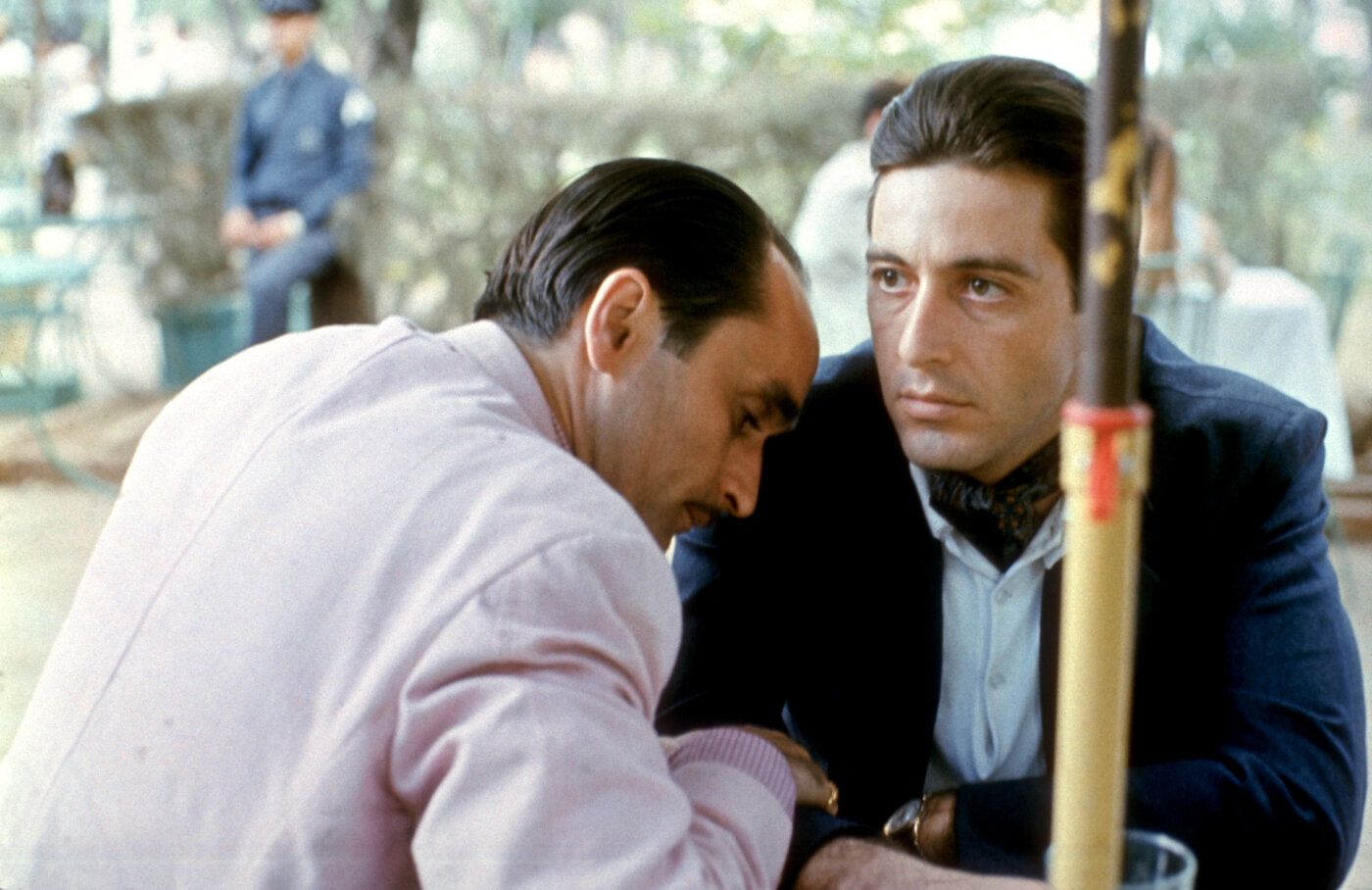
- Principal cast: Al Pacino as Michael, Robert De Niro as Vito, John Cazale as Fredo, Robert Duvall as Tom, Diane Keaton as Kay, Talia Shire as Connie and Lee Strasberg as Hyman Roth
- Exact identity: IMDb tt0071562; TMDB movie 240 — https://www.themoviedb.org/movie/240
The archive’s title, The Godfather: Part II, identifies this same film. The onscreen title has no colon. [1, 2, 3]
The Interval That Matters
After confronting Fredo over his betrayal, Michael says that nothing is to happen to him while their mother is alive. After her death, Connie asks Michael to forgive his brother. An embrace follows, but Fredo is subsequently killed on the lake. The film leaves Michael alone after a flashback to a family gathering in 1941. [2, 4]
Fredo’s betrayal is real; acknowledging it is necessary to the tragedy. But an explanation of Michael’s fear is not a proof that every response to that fear is necessary. The interval forces a harder question than whether Michael is angry: what has he decided that another person’s survival would mean about him?
The Limits of Michael’s Restraint
For us, Michael’s willingness to wait reveals a boundary he recognizes without accepting its underlying moral demand. His mother’s presence can restrain an action. Her death removes that restraint, but it does not make the action right.
That distinction changes how we read his composure. The question is no longer whether he possesses self-control. It is what purpose he gives that control. A person can organize a feeling, schedule its expression and keep it out of public view without becoming less governed by it.
More from RecapRush
 Masterplan (2026) Recap & Ending Explained: Why Roger’s Fake Family Becomes a Real Choice
 Avatar (2009) Recap & Ending Explained: Why Jake’s Final Awakening Is a Commitment
 The Godfather (1972): When Protection Becomes Permission to Lie
The pause also gives reconciliation a chance to exist. That is why we find the embrace so difficult. Affection’s outward form can survive after its protective meaning has been emptied out. A brother may receive the gesture of being welcomed back while remaining subject to a decision he cannot see.
We do not read this as evidence that tenderness was always false. The more painful possibility is that Michael still feels it and refuses to let it alter his judgment. He treats mercy as a vulnerability his position cannot tolerate. His definition of strength has become too narrow to include changing his mind.
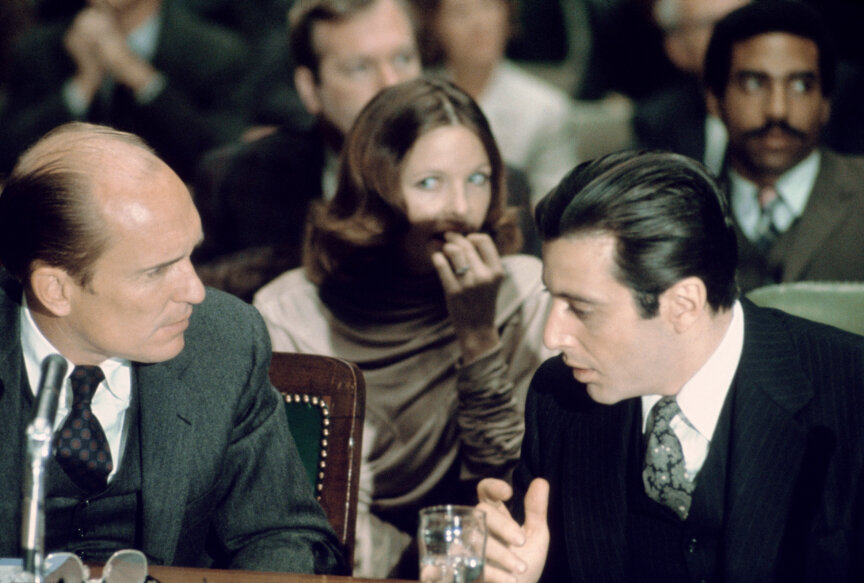
Vito’s Story Does Not Acquit the Son
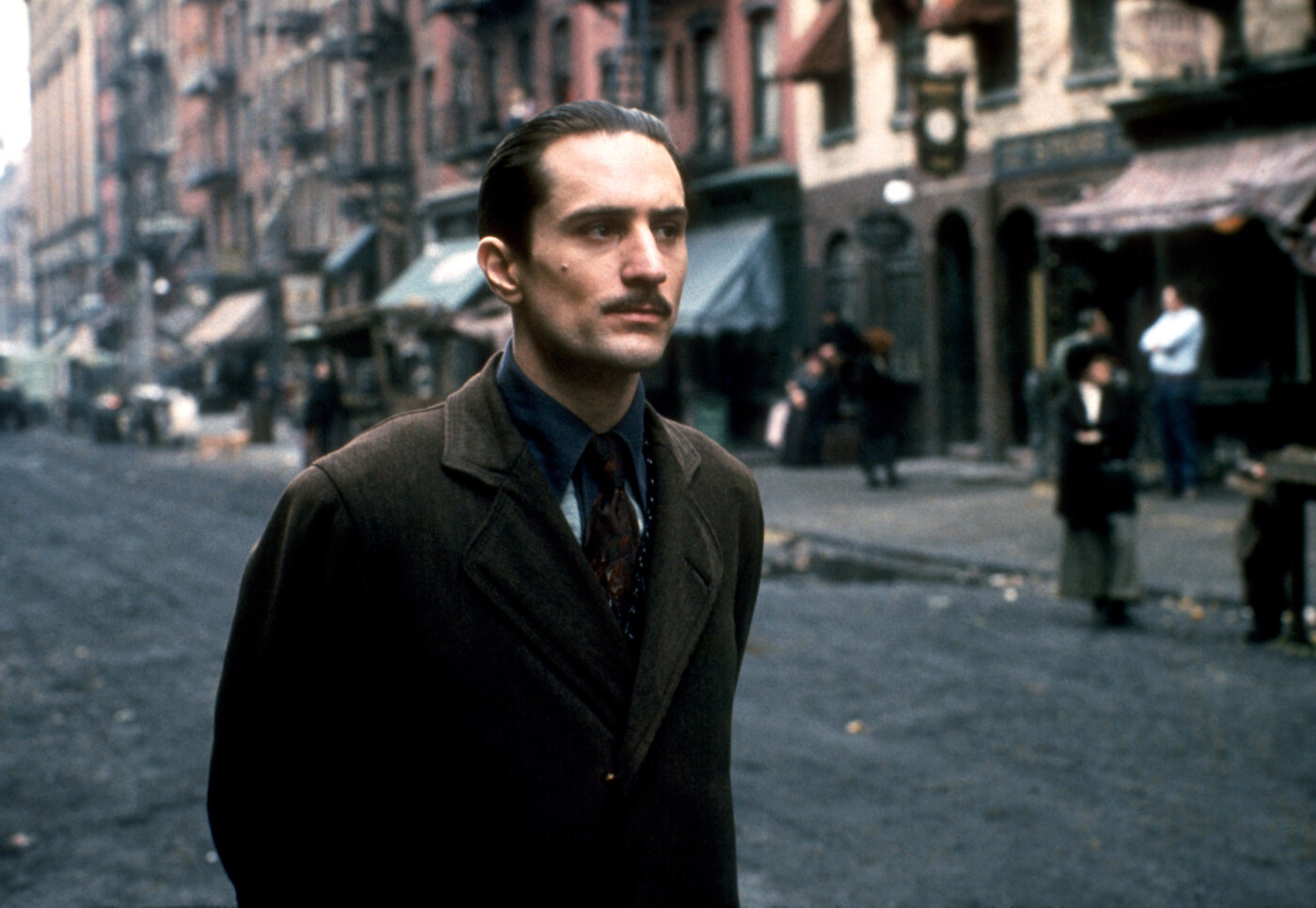
Paramount describes the film through two movements: Vito’s rise and Michael’s consolidation of power. [1] We find their juxtaposition valuable because it resists a simple inheritance story. Receiving an institution does not settle what one ought to preserve inside it.
Vito’s world can invite nostalgia for personal ties, but nostalgia is not a moral balance sheet. The older story contains violence too. Its warmth does not cleanse the institution, just as Michael’s colder methods do not make its earlier version innocent.
What the comparison exposes is the danger of confusing the survival of a structure with the survival of the relationships it claims to serve. A family name can acquire more reach while the family itself has less room to breathe. Success on one scale can conceal catastrophe on the other.
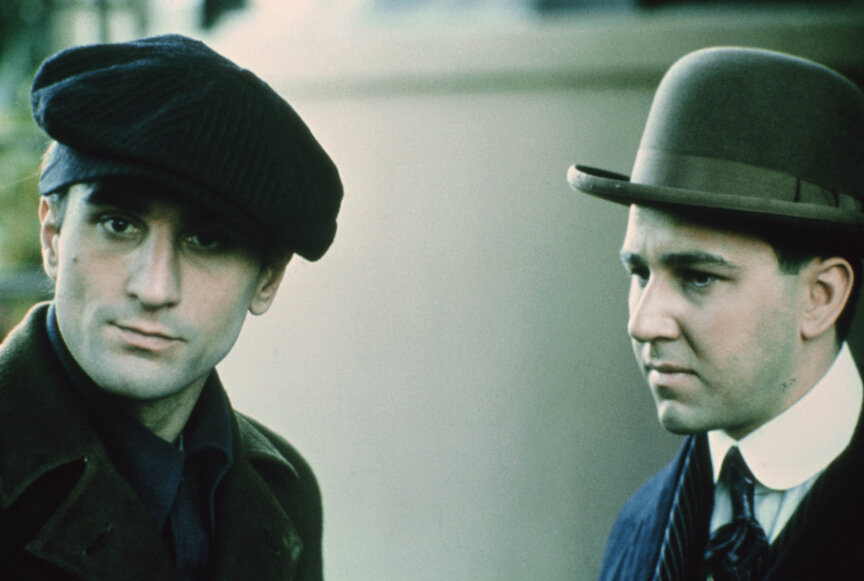
Ending Explained: Two Kinds of Being Alone
Cast and Characters
The late flashback shows Michael announcing that he has enlisted in the Marines. When the others leave the table to greet Vito, he remains behind. The film then returns to the older Michael, alone in the final image. These are different moments, not evidence that the flashback reverses Fredo’s death. [2, 4]
RecapRush interpretation: The earlier solitude leaves open the possibility of a self beyond the family’s expectations. The later solitude follows the destruction of a relationship he could not bring under his preferred terms. Similar-looking loneliness can carry opposite meanings.
The remembered table therefore hurts without promising a recovery. Memory can show Michael that another way of being once existed; it cannot restore the people or choices he has removed. We are not given a spoken confession that would tidy his grief into a lesson. The stillness leaves that reckoning unfinished.
Final Thought
The film’s hardest judgment, for us, is that resolve has no moral value on its own. Michael can remain consistent, eliminate a danger and still betray the purpose he gives his authority. Waiting becomes tragic when it preserves the punishment instead of making room to reconsider it.
Join the conversation
What did you think of the ending? Share your interpretation. Spoilers may appear below.
This product uses the TMDB API but is not endorsed or certified by TMDB.
No comments yet. Start the conversation.