

RECAPRUSH MOVIE GUIDE
GoodFellas (1990)
Directed by Martin Scorsese
RecapRush reads Henry Hill’s choice of witness protection and his resentment of ordinary life as survival without a completed reassessment of the privilege he enjoyed.
Overview, poster, and credits from TMDB.
Read and watch our analysis ↓FROM THE RECAPRUSH LIBRARY · ANALYSIS
Goodfellas (1990): Henry Escapes Danger, Then Mourns His Privilege
5 min read · Estimated reading time— views
RecapRush Viewpoint: Henry Escapes Danger, Then Mourns His Privilege
The most revealing loss in Goodfellas is the one Henry Hill thinks he has suffered. He survives. Yet ordinary life feels to him like a demotion. RecapRush reads that complaint as the ending’s sharpest judgment: a man can recognize that his world will destroy him without learning to value anyone outside it.
Spoilers for Goodfellas (1990), including its ending. This is an interpretation of the released film, with only the plot context needed to support it. It is not a claim about the private thoughts of the historical Henry Hill.
Quick Facts
- Film: Goodfellas (1990), styled GoodFellas in TMDB; directed by Martin Scorsese, with a screenplay by Scorsese and Nicholas Pileggi.
- Release: September 12, 1990 in France. AFI records New York and Los Angeles openings on September 19, 1990.
- Runtime: 145 minutes in ACMI and TMDB; AFI lists 146. This small catalogue difference is not evidence of a separate narrative version.
- Principal cast: Ray Liotta — Henry Hill; Robert De Niro — Jimmy Conway; Joe Pesci — Tommy DeVito; Lorraine Bracco — Karen Hill; Paul Sorvino — Paul Cicero.
- Identity: IMDb tt0099685 · TMDB 769.
- Collection: #18 in our November 1, 2026 dated IMDb Top 250 archive, not a live ranking.
Belonging Has a Price
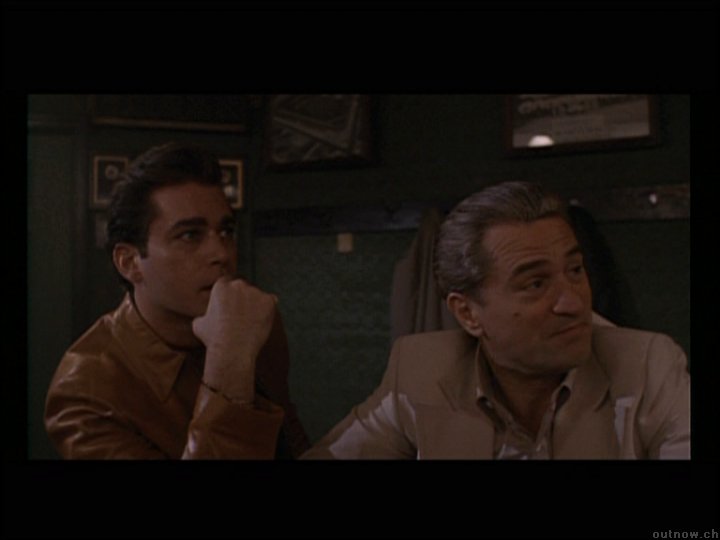
When young Henry is arrested and keeps quiet, the gangsters welcome him rather than shame him. Jimmy teaches him the value of silence. The lesson works because it offers a way to belong: what the outside world might call failure becomes proof that Henry deserves recognition inside this group.
Our reading is that this recognition becomes his measure of a successful life. The trouble is not simply that he likes expensive things. It is that he learns to treat approval from these men as a substitute for judging what they do. The group can reward his behaviour, and he can mistake the reward for evidence that the behaviour is right.
That makes loyalty a dangerous word. It sounds like a commitment between people, but Henry’s education makes it a condition of continued membership. He must remain useful and trustworthy to others whose power he wants to share. The warmth is real enough to attract him; it is also something he cannot safely count on.
More from RecapRush
 The Fixers (2026) Full Series Recap & Ending Explained – Primordial Files Breakdown
 It’s a Wonderful Life (1946): George Is Allowed to Need Help
 Coraline (2009) Recap & Ending Explained: Why the Other Mother Can Offer Everything Except Love
The Choice That Changes His Address
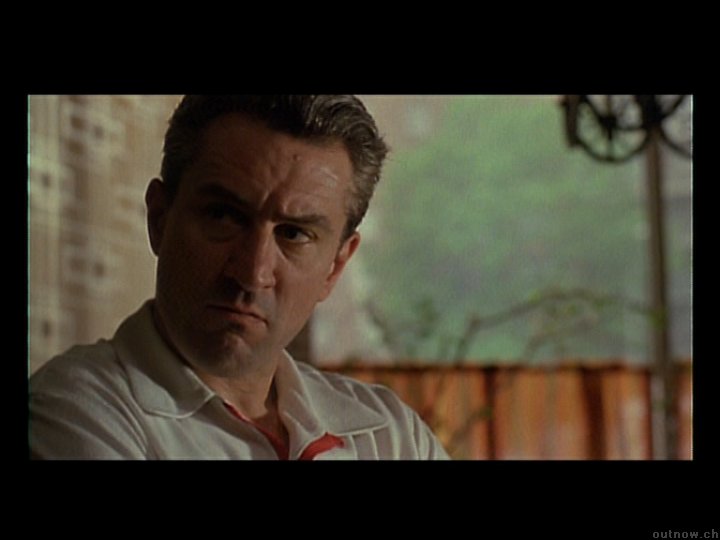
After his drug arrest, Henry fears that his associates may kill him. He becomes an informant, identifies Jimmy and Paulie in court, and enters witness protection with his family.
This decision breaks the rule that first helped him belong. We need not pretend it takes no courage: choosing survival means accepting the hatred of people whose approval once mattered enormously. But changing sides under threat does not establish a moral conversion. The same action can keep someone alive without settling what he believes he owes other people.
For RecapRush, that unresolved distinction gives the ending its force. Henry can finally see that the group’s protection is unreliable. It is much less clear that he has abandoned the hierarchy that made being inside the group feel so desirable. His escape is decisive as an action and incomplete as a reassessment of his life.
Ending Explained: Safety Feels Like Defeat
Cast and Characters
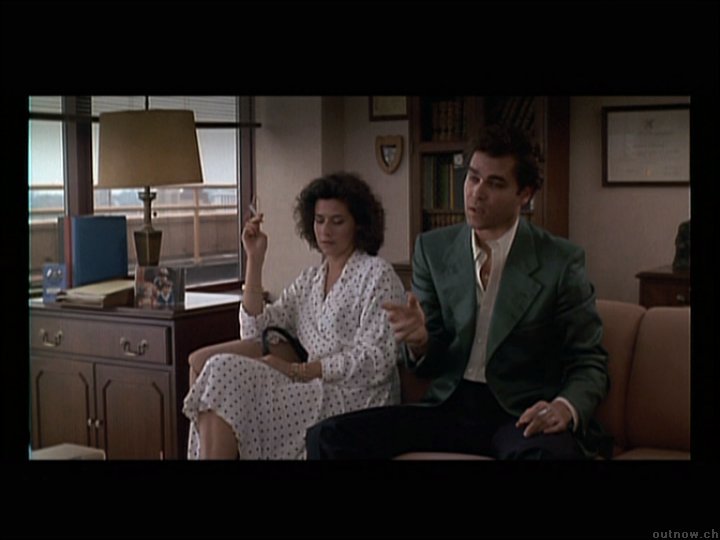
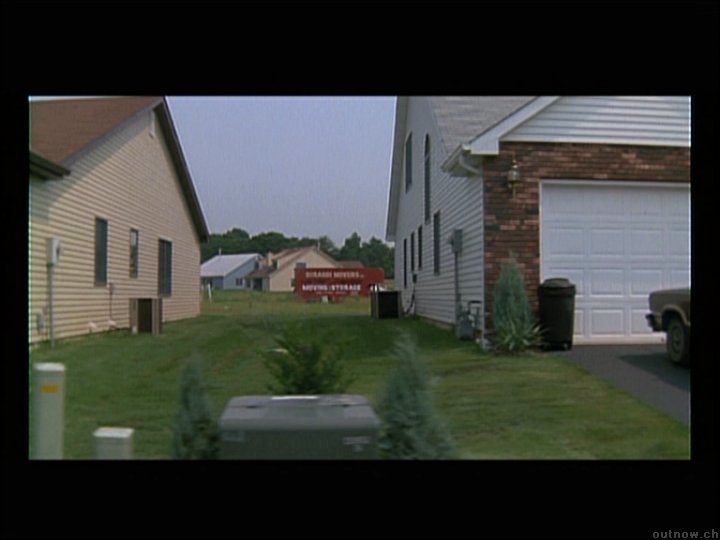
In his suburban life, Henry complains about being reduced to an ordinary person. The immediate danger has receded, but his disappointment reveals how thoroughly he still uses the old world’s scale of value.
The ending therefore puts the audience in an uncomfortable position. We can understand the difficulty of losing an identity without accepting his account of that loss. His complaint asks us to regard anonymity as deprivation. Our interpretation is that the film leaves us room to notice the entitlement within that request: the life he resents is a life without the special position he once enjoyed.
This does not require a neat punishment in which every guilty person receives exactly what they deserve. Henry’s continued life is more unsettling because it denies that kind of closure. Survival has removed an urgent problem; it has not supplied the perspective with which to understand survival as a gift.
Final Thought
Goodfellas ends with Henry able to live beyond the world that formed him, yet still judging life by its standards. That is the distinction we find most troubling. He has found a way out of danger. Learning to stop mourning his privilege would demand another kind of exit, and the film gives us little reason to assume he has made it.
Join the conversation
What did you think of the ending? Share your interpretation. Spoilers may appear below.
This product uses the TMDB API but is not endorsed or certified by TMDB.
No comments yet. Start the conversation.