
RECAPRUSH MOVIE GUIDE
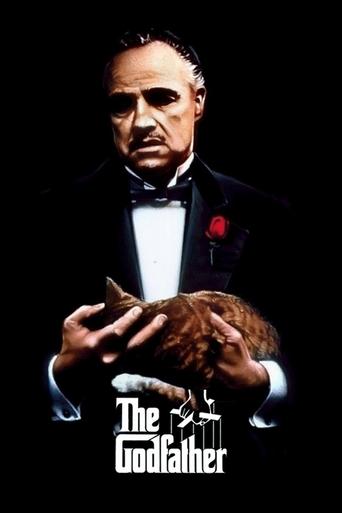
The Godfather (1972)
Directed by Francis Ford Coppola
Michael Corleone enters his father’s criminal world and becomes its leader. This RecapRush analysis considers how his growing authority changes the terms of trust within the family.
Overview, poster, and credits from TMDB.
Read and watch our analysis ↓FROM THE RECAPRUSH LIBRARY · ANALYSIS
The Godfather (1972): When Protection Becomes Permission to Lie
6 min read · Estimated reading time— views
RecapRush Viewpoint
The most unsettling power Michael Corleone acquires is the power to decide what the people closest to him are allowed to know. The Godfather makes his rise frightening through that shrinking freedom. A family can remain physically together while losing the conditions that make intimacy possible.
Our reading: Michael turns protection into a claim of ownership over other people’s understanding. His competence becomes a reason to demand trust without offering accountability. By the ending, even asking a question feels like a privilege he can grant or withdraw.
Spoilers for the released 1972 film follow. This is a focused interpretation, not a full plot recap; it does not incorporate the sequels or the novel’s different ending.
Featured Image
Quick Facts + Cast
- Film: The Godfather (1972), directed by Francis Ford Coppola
- Screenplay: Mario Puzo and Francis Ford Coppola
- US release: March 24, 1972; New York opening March 15, following the March 14 premiere
- Runtime: 175 minutes, according to Paramount
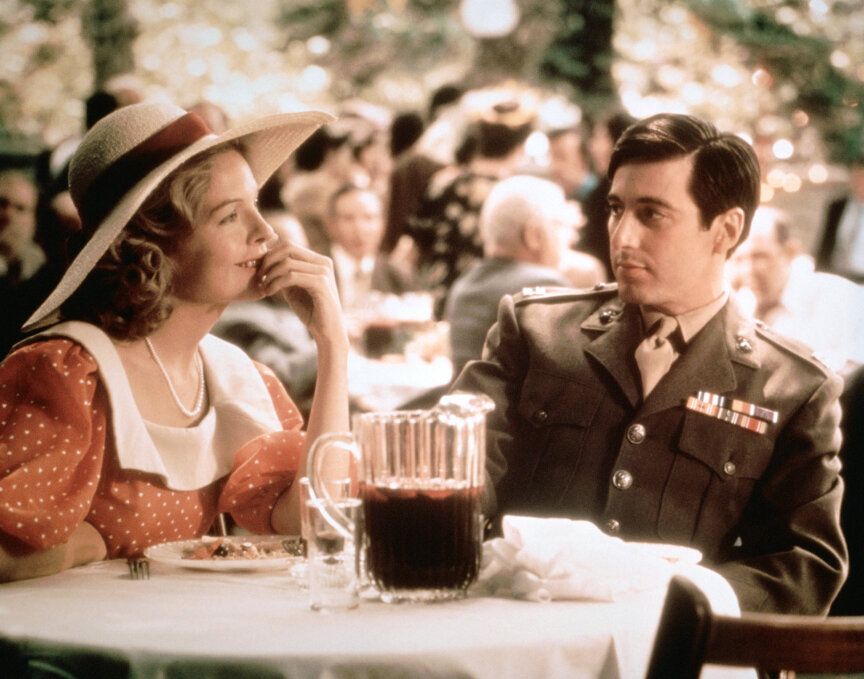
- Principal cast: Marlon Brando as Vito Corleone; Al Pacino as Michael; James Caan as Sonny; Robert Duvall as Tom Hagen; Diane Keaton as Kay; Talia Shire as Connie
- Exact identity: IMDb tt0068646; TMDB movie 238 — https://www.themoviedb.org/movie/238
These details identify the original feature, rather than Part II or a new film made for the anniversary restoration. [1, 2, 3]
The Choice That Changes Michael
After the attack on Vito, Michael kills Sollozzo and Captain McCluskey. Later, he orders killings that consolidate his position, including Carlo’s death, and denies responsibility when Kay questions him. That movement supplies the context for our argument. The question is not whether Michael becomes effective, but what he comes to believe effectiveness entitles him to do. [2, 4]
His early involvement is understandable as a response to an immediate threat. Understanding it does not make every subsequent exercise of control inevitable. For us, the tragedy depends on retaining that distinction: fear can explain a decision without becoming a permanent authorization.
Composure Is Not Innocence
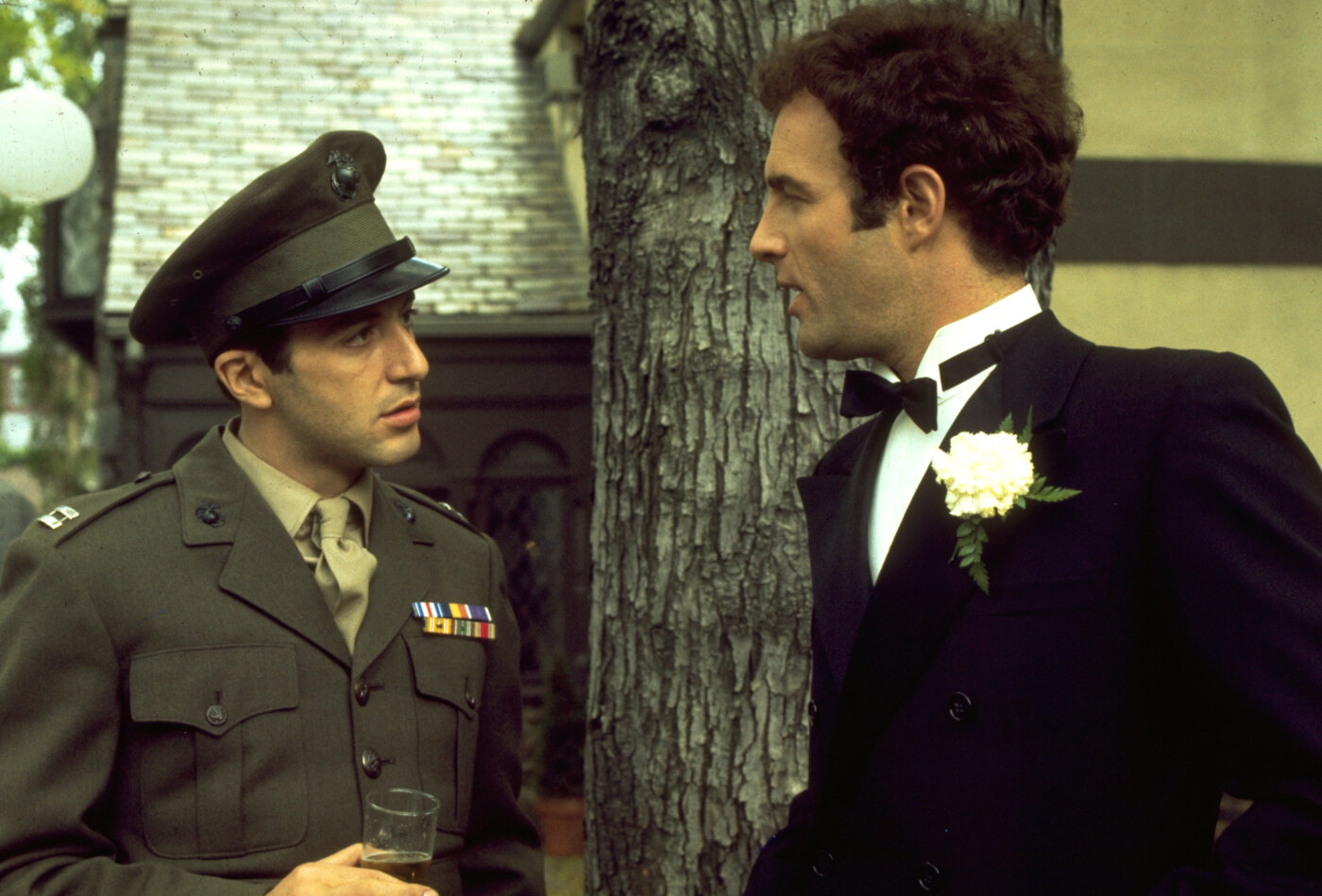
Michael’s restraint invites a dangerous kind of admiration. Calmness can look like moral clarity because it removes the visible disorder we associate with cruelty. Yet a decision does not become less destructive because its maker avoids an outburst.
We find that tension more revealing than a simple contrast between a reasonable son and an impulsive one. Deliberation is a skill, not a conscience. When the audience enjoys precision, it risks confusing an absence of hesitation with the presence of justification. The film gives us the pleasure of watching someone take command and the discomfort of examining that pleasure.
More from RecapRush
 Star Wars: The Force Awakens (2015) Recap & Ending Explained: Choosing a Future Beyond the Past
 Rage of Stars (2026) Preview: Jemma’s Visions Turn an Investigation Into an Apocalypse
 Heart of the Beast (2026) Recap & Ending Explained: Why James Must Teach Odin to Leave Him
Vito’s warmth complicates the same problem. Affection can be sincere inside a coercive system. It does not follow that the system is therefore an expression of love. The harder reading is that tenderness and domination can reinforce each other: gratitude makes it more difficult to ask what a favor costs.
Ending Explained: Who Gets to Ask?
Cast and Characters
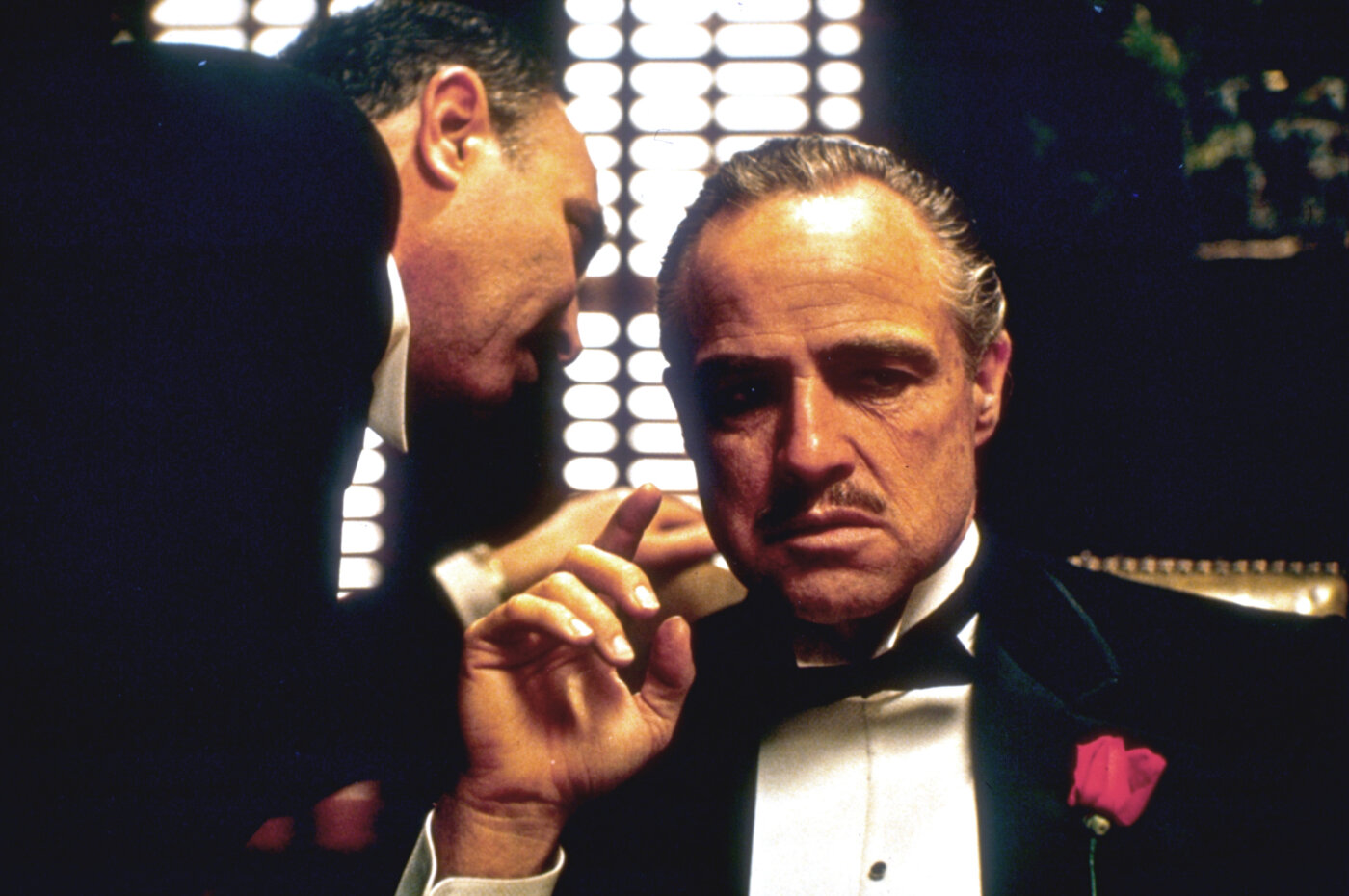
The baptism sequence places Michael’s religious declarations alongside murders carried out on his orders. Later, Kay asks whether he had Carlo killed. Michael denies it; she then sees his men acknowledge him as Don before the study door closes. The AFI record confirms the final scene, while the released-film synopsis supplies the preceding exchange. [2, 4]
RecapRush interpretation: The deepest rupture occurs before the door moves. Michael decides that Kay may ask once. A conversation between partners has become an audience with a ruler. The false answer matters, but so does his assumption that he can regulate the question.
This is why the ending feels more intimate than a declaration of criminal victory. Knowledge inside a marriage has become something distributed by the more powerful spouse. Kay is expected to live with the consequences of decisions she cannot meaningfully examine. Michael’s success has not merely changed his occupation; it has changed the terms on which another person can stand beside him.
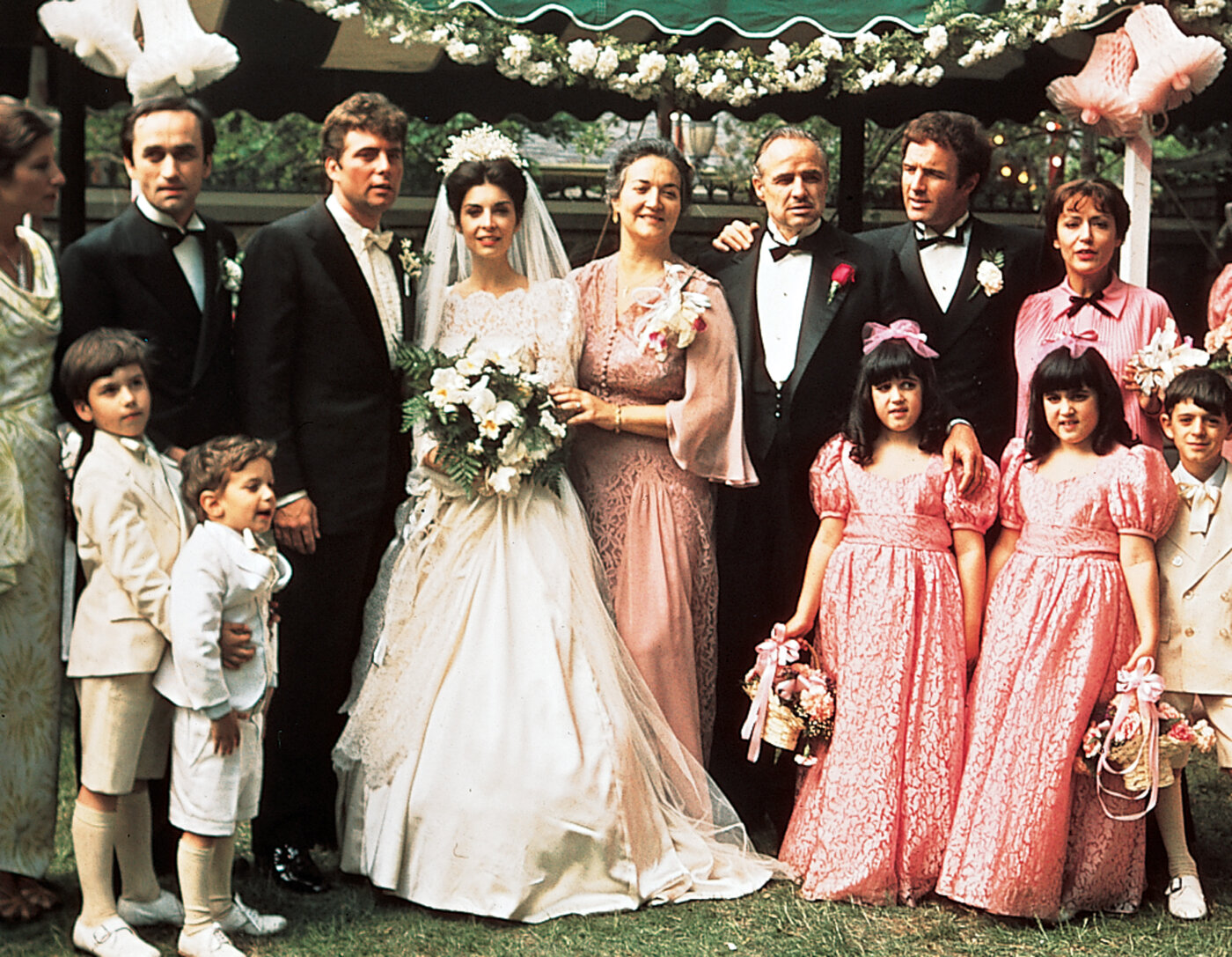
The image also returns us to the difference between a family and an organization. An organization can function through restricted information and commands. A relationship cannot borrow those methods indefinitely without becoming a different kind of arrangement.
Final Thought
The Godfather leaves us with a useful test of Michael’s claim to protect: does his power increase the freedom of the people he loves, or require them to surrender it? Our answer is what makes his transformation tragic. He becomes exceptionally capable of securing obedience while making honest companionship harder to sustain.
Join the conversation
What did you think of the ending? Share your interpretation. Spoilers may appear below.
This product uses the TMDB API but is not endorsed or certified by TMDB.
No comments yet. Start the conversation.