

RECAPRUSH MOVIE GUIDE
The Silence of the Lambs (1991)
Directed by Jonathan Demme
RecapRush examines Clarice Starling’s use of a dangerous exchange, her independent investigative work and Catherine’s rescue without claiming permanent healing or complete safety.
Overview, poster, and credits from TMDB.
Read and watch our analysis ↓FROM THE RECAPRUSH LIBRARY · ANALYSIS
The Silence of the Lambs (1991): Clarice Keeps the Victim in View
6 min read · Estimated reading time— views
RecapRush Viewpoint: Clarice Keeps the Victim in View
Hannibal Lecter can make a conversation feel as though the only mystery worth solving is Clarice Starling herself. Her accent, ambition and painful memories become material for his attention. The strength of The Silence of the Lambs, for RecapRush, is that Clarice keeps finding her way back to a different question: where is the woman who can still be saved?
Our reading places her achievement in that return. Learning from a dangerous person does not require her to accept his account of what her life is for. She can use information while refusing to let the exchange become the entire meaning of her work.
Spoilers for The Silence of the Lambs (1991), including its ending. This is an interpretation of the released film, not the later sequels or a substitute account of the novel.

Quick Facts
- Director / screenwriter: Jonathan Demme / Ted Tally.
- Opening: February 14, 1991 in New York and Los Angeles, following the February 1 Los Angeles premiere, as recorded by AFI.
- Runtime: 118 minutes in Criterion’s edition listing. AFI and TMDB list slightly different durations; no separate narrative cut is inferred here.
- Principal cast: Jodie Foster — Clarice Starling; Anthony Hopkins — Hannibal Lecter; Scott Glenn — Jack Crawford; Ted Levine — Jame Gumb; Brooke Smith — Catherine Martin.
- Identity: IMDb tt0102926 · TMDB 274.
- Collection: #22 in our November 1, 2026 dated IMDb Top 250 archive, not a live chart position.
The Cost of Being Understood
Lecter trades clues about the killer for information about Clarice’s past. She tells him about the lambs she tried to save as a child. The exchange makes an intimate memory part of a professional task conducted under pressure.
We find something uneasy in how readily his perceptiveness can resemble care. He notices things other people miss, and he can put a name to what hurts her. But noticing another person precisely is not the same as placing their needs first. His attention still comes with conditions that he sets.
Clarice’s position is therefore more complicated than either trusting him completely or refusing everything he says. Someone is in danger now. She has to make judgments about what his information can do without surrendering the purpose for which she needs it. The film gives her room to remain capable while being exposed. Her vulnerability does not cancel her intelligence, and her intelligence does not make the encounter harmless.
More from RecapRush
 Avatar (2009) Recap & Ending Explained: Why Jake’s Final Awakening Is a Commitment
 Star Wars (1977): Hope Begins When Han Comes Back
 Evil Dead Burn (2026) Recap & Ending Explained: Why Alice Must Kill the Family Story That Trapped Her
A Clue Still Requires Her Work
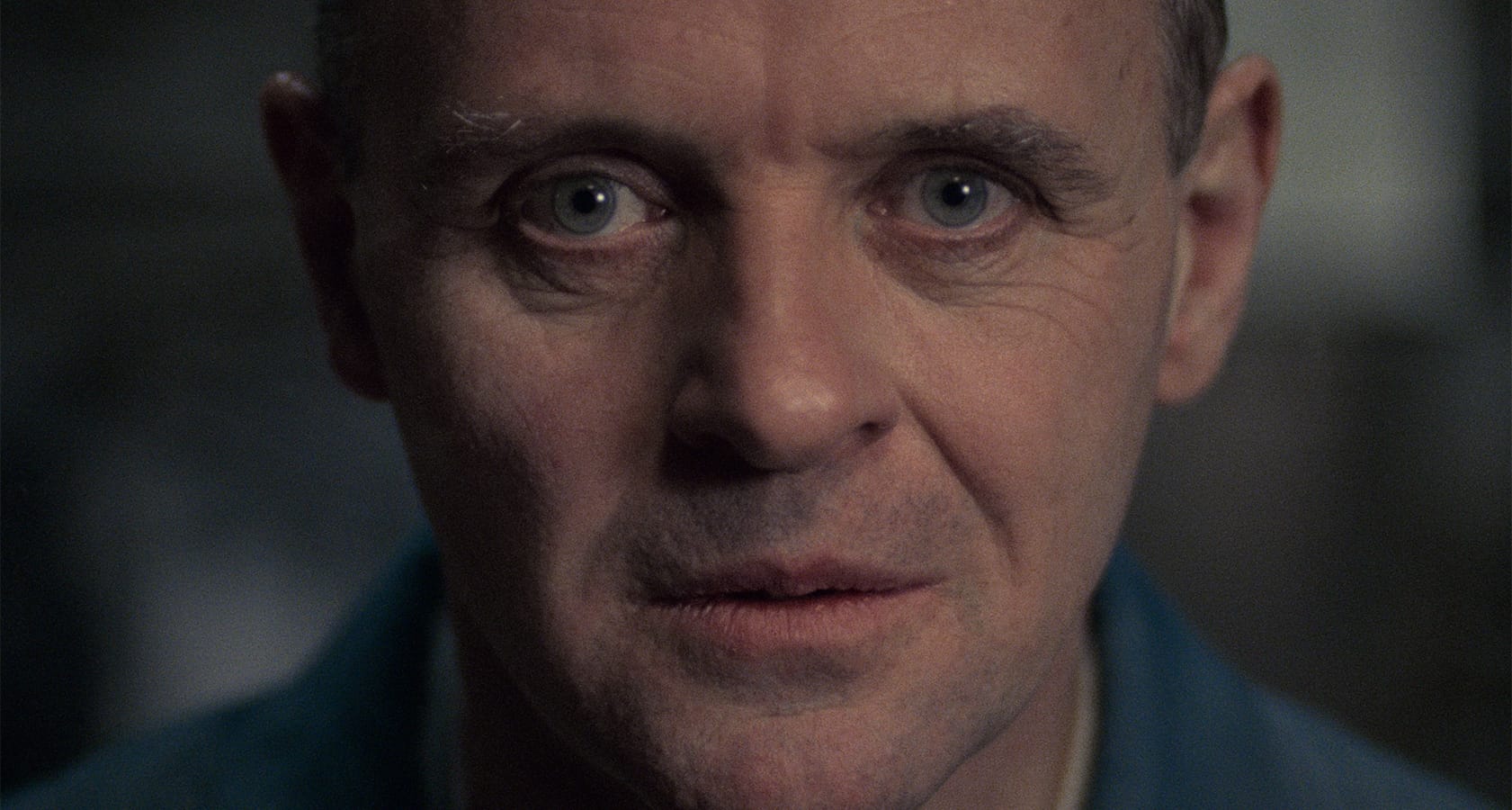
Clarice connects Lecter’s advice about coveting to the killer’s first victim and continues investigating that victim’s life. Her inquiry brings her to the house where Catherine is being held.
This matters to our reading because the information does not arrive as a finished rescue. Clarice must decide where to direct her attention and keep following the people behind the evidence. A victim’s history becomes a path toward someone who is still alive.
Lecter wants access to Clarice’s memories; Clarice wants access to a place where she can act. Those aims can momentarily serve each other without becoming equivalent. His fascination with her need not be the story’s final measure of her importance. What she does for Catherine gives her effort a consequence beyond the fascinating conversation.

Ending Explained: The Rescue Has Limits, and Still Matters
Cast and Characters
Clarice kills Gumb and Catherine is brought out alive. Later, Clarice graduates, but the escaped Lecter calls her. The ending therefore preserves both a real achievement and an unresolved danger.
We read Catherine’s survival as an answer to Clarice’s earlier helplessness, but not as proof that her childhood pain has been permanently cured. A rescued person should not be reduced to someone else’s emotional treatment. Catherine matters because her life can continue, whether or not Clarice ever receives the peace she hopes for.
The final call also prevents the graduation from closing every account. Clarice’s competence has been recognized, yet Lecter can still intrude. His continued presence does not erase the rescue. It does make the comforting idea of complete mastery impossible: success in this case cannot guarantee a world in which she is never vulnerable again.
For RecapRush, that combination makes her achievement stronger. She has helped someone under conditions she cannot fully control. The value of that action does not depend on receiving a perfectly healed self or a perfectly safe future in return.
Final Thought
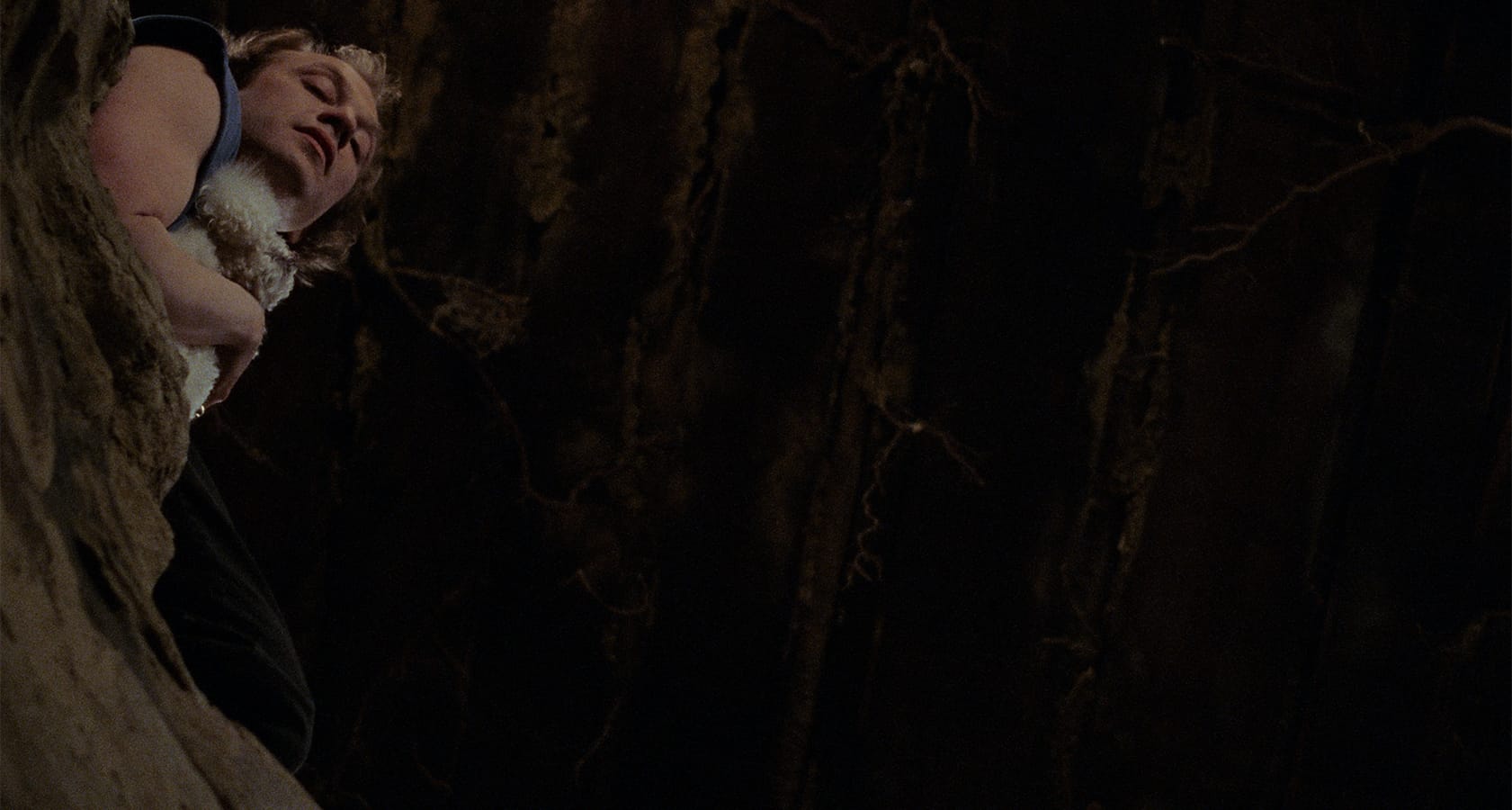
The Silence of the Lambs lets Lecter command attention without giving him sole ownership of Clarice’s meaning. She can be wounded, observed and manipulated while still choosing where her work leads. We read her heroism in keeping Catherine’s immediate life in view. One person’s survival is enough to matter, even when the past remains painful and the danger has not entirely gone away.
Join the conversation
What did you think of the ending? Share your interpretation. Spoilers may appear below.
This product uses the TMDB API but is not endorsed or certified by TMDB.
No comments yet. Start the conversation.