
RECAPRUSH MOVIE GUIDE
12 Angry Men (1957)
Directed by Sidney Lumet
A dissenting juror asks eleven others to reconsider a murder verdict. RecapRush examines how the film keeps a change of mind possible, and why its final kindness matters as much as its argument.
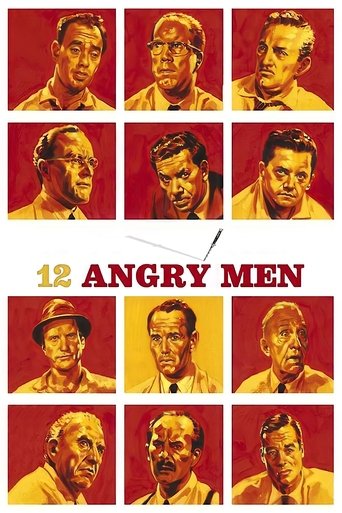
Overview, poster, and credits from TMDB.
Read and watch our analysis ↓FROM THE RECAPRUSH LIBRARY · ANALYSIS
12 Angry Men (1957): Leave Someone a Way to Change Their Mind
6 min read · Estimated reading time— views
RecapRush Viewpoint
An argument can become a trap long before anyone notices. If changing your position means publicly admitting that you are a fool, defending the position starts to feel like defending your right to remain in the room. 12 Angry Men makes that danger painfully visible.
Our reading: Juror 8’s achievement is not simply that he withstands pressure. He helps keep reconsideration possible. The film asks us to distinguish holding someone responsible for a judgment from making that judgment the whole of their identity. Its final kindness matters because persuasion should leave a person able to live beyond being wrong.
Ending spoilers follow. This is a focused reading of Sidney Lumet’s 1957 feature, not the 1954 television production or the 1997 remake.
Quick Facts and Cast
- Director: Sidney Lumet. Writer: Reginald Rose, adapting his teleplay. Cinematography: Boris Kaufman. [1, 2]
- Release: April 1957; Los Angeles opening April 10, New York opening April 13. Runtime: 96 minutes in the Criterion edition. [1, 2]
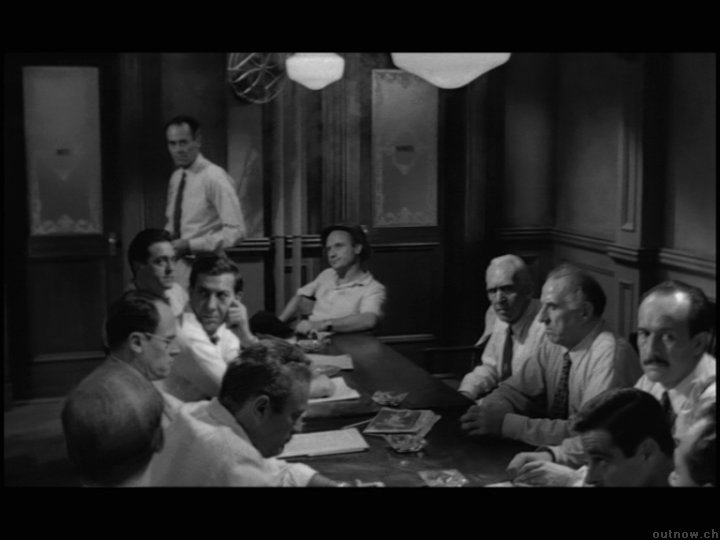
- Central performances: Henry Fonda as Juror 8, Lee J. Cobb as Juror 3 and Joseph Sweeney as Juror 9. The ensemble also includes Martin Balsam, John Fiedler, E. G. Marshall, Jack Klugman, Edward Binns, Jack Warden, Ed Begley, George Voskovec and Robert Webber. [2]
- Exact identity: IMDb tt0050083; TMDB movie 389. Collection rank #6 follows the fixed November 1, 2026 archive, not a live chart. [3]
Doubt Is a Commitment to Stay
The first vote is eleven for conviction and one against. Juror 8 wants the case discussed rather than treated as finished. [1] His dissent matters to us because it creates work, including work for himself. He cannot merely announce that everyone else is careless and walk away satisfied.
We read that willingness to remain as the difference between useful doubt and the pleasure of being contrary. A question becomes responsible when its asker accepts the time and attention needed to examine it. Saying that a judgment might be wrong is the beginning of a task, rather than an achievement that excuses further effort.
There is also a cost imposed on the others. Their impatience is understandable as a feeling, but it cannot settle the matter before them. The film makes an ordinary inconvenience share a room with an extraordinary consequence. Our discomfort is that the smaller thing can feel more immediate, even when we know it should carry less weight.
More from RecapRush
 The Scandal (2026) Recap & Ending Explained: Why Hui-yeon’s Survival Matters More Than Cho Won’s Last Letter
 KPop Demon Hunters (2025) Recap & Ending Explained: Why Rumi’s Truth Creates a Stronger Honmoon
 Deadpool & Wolverine (2024) Recap & Ending Explained: Belonging Is More Than Being Chosen
A Majority Can Protect People from Thinking
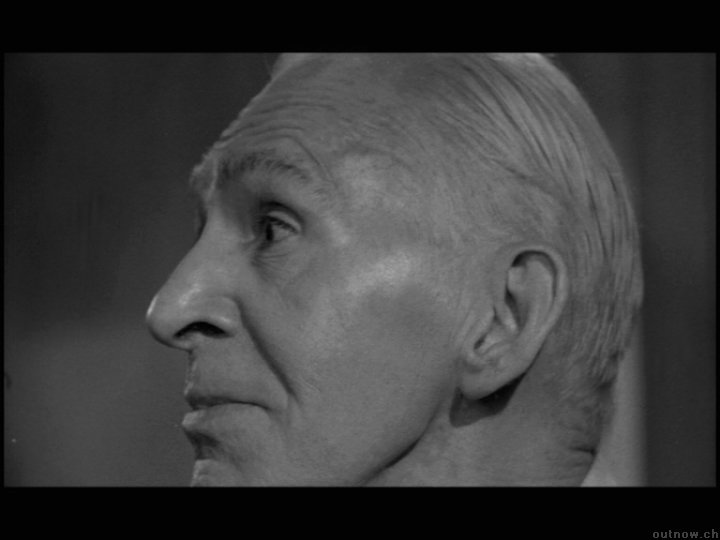
For us, the early agreement offers a kind of shelter. A person can mistake the number of people beside him for the strength of the reasons he has considered. Responsibility seems to dissolve into the group: surely someone else would object if the conclusion were unsafe.
The lone objection interrupts that comfort. It does not automatically make its author correct. What it does is remove the excuse that unanimity has already done the thinking. Each man must begin to own a position he could previously borrow.
This is why we find the ensemble more interesting than a story of one infallible man converting eleven lesser minds. If the lesson were simply to trust the most admirable speaker, the room would have exchanged one shortcut for another. The harder invitation is to participate in judgment without outsourcing it to confidence, seniority or a pleasing manner.
Ending Explained: A Verdict Without a Victory Lap
Cast and Characters
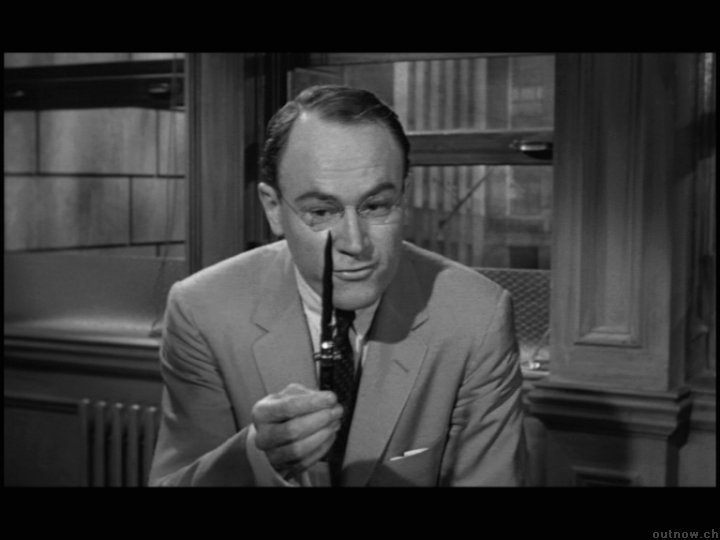
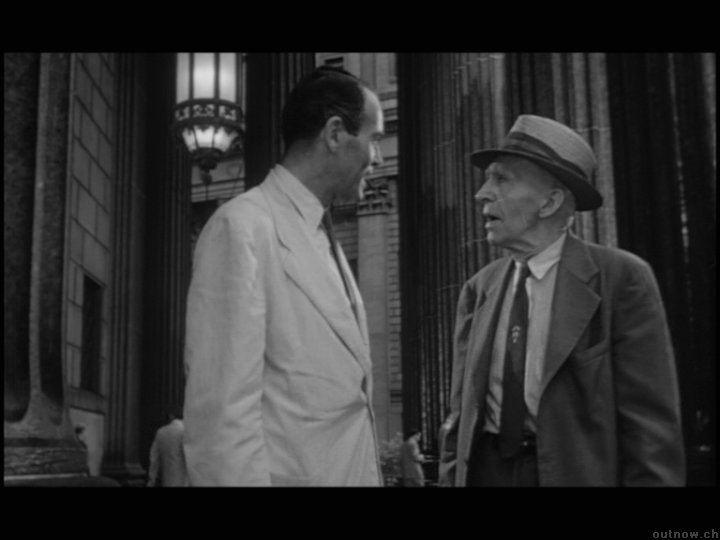
Juror 3 is the final holdout. His estrangement from his son surfaces during his breakdown; he eventually changes his vote. Juror 8 then gives him his jacket, and Jurors 8 and 9 part outside the courthouse. [1]
RecapRush interpretation: The jacket is important because the argument has ended, but the obligation to recognize another person has not. Juror 8 has no need to turn the reversal into a spectacle of superiority. The gesture lets a defeated certainty leave the room inside a person who still deserves care.
That tenderness does not excuse the danger of Juror 3’s earlier judgment. It separates two questions: whether a position must be resisted, and whether its holder must be reduced forever to that position. Holding both questions open is difficult. Humiliation offers a quicker, more gratifying ending.
We also resist reading the verdict as an omniscient revelation of everything that happened on the night of the crime. The dramatic achievement lies in the men’s changed willingness to convict. Our satisfaction need not depend on pretending that deliberation has made uncertainty disappear.
Final Thought
12 Angry Men leaves us with a test for how we disagree: are we trying to make a better judgment possible, or merely trying to make retreat unbearable for the other person? The film’s final kindness belongs to its argument. A room capable of reconsideration must allow its occupants to change without losing every claim to dignity.
Join the conversation
What did you think of the ending? Share your interpretation. Spoilers may appear below.
This product uses the TMDB API but is not endorsed or certified by TMDB.
No comments yet. Start the conversation.