

RECAPRUSH MOVIE GUIDE
The Pianist (2002)
Directed by Roman Polanski
RecapRush examines Szpilman’s musical identity, dependence on others and why the final concert cannot restore what persecution has taken.
Overview, poster, and credits from TMDB.
Read and watch our analysis ↓FROM THE RECAPRUSH LIBRARY · ANALYSIS
The Pianist (2002): The Concert Cannot Restore the Missing Audience
5 min read · Estimated reading time— views
RecapRush viewpoint · Spoilers for the 2002 film and its ending.
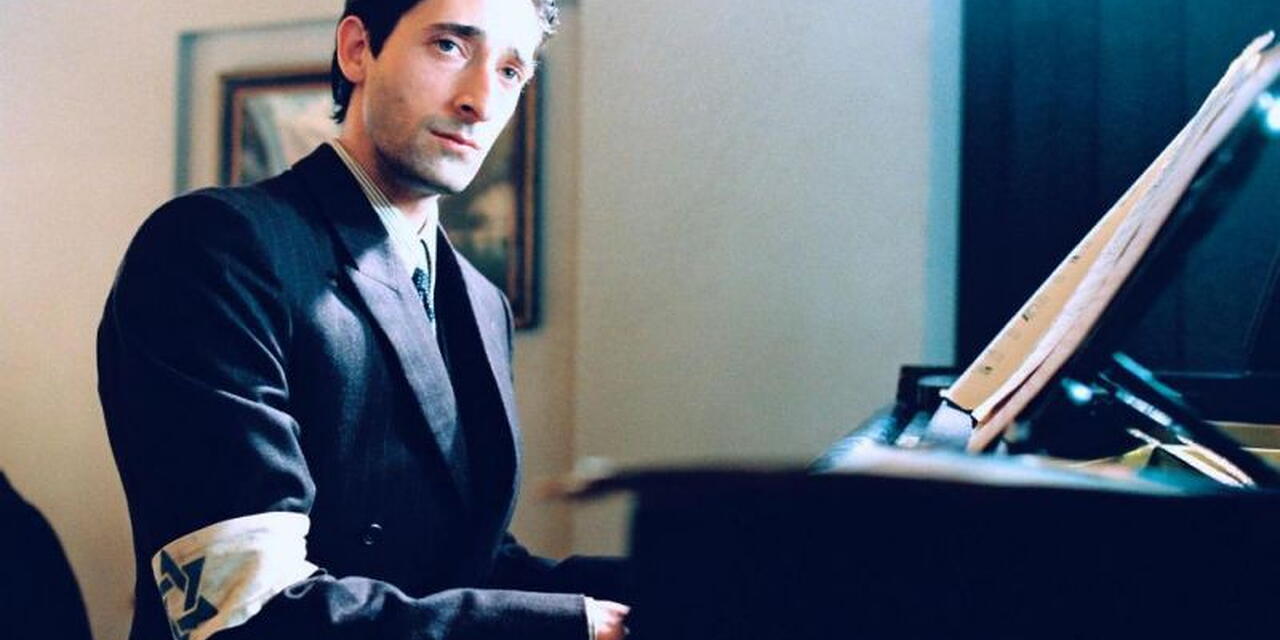
A concert offers a tempting place to end a story about a musician: the artist returns, the instrument sounds, the audience listens. Our reading of The Pianist is that its final performance asks us to hold something less comfortable inside that familiar shape. Szpilman can recover a public role without recovering the people and everyday world that once made the role ordinary. The music continues. Its continuation does not balance an account of loss.
Quick facts
- Film: The Pianist (2002), directed by Roman Polanski; screenplay by Ronald Harwood, based on Władysław Szpilman’s memoir.
- Cannes premiere: May 24, 2002, in IMDb’s release record. Runtime: Cannes lists 148 minutes; distributor and edition listings vary.
- Principal cast: Adrien Brody — Władysław Szpilman; Thomas Kretschmann — Captain Wilm Hosenfeld; Frank Finlay — Szpilman’s father; Maureen Lipman — his mother.
- Verified identity: IMDb tt0253474 · TMDB movie 423.
- Scope: Analysis of the film’s portrayal. A dramatized scene is not, by itself, evidence for every detail of the historical event.
A person survives beyond a public identity
Szpilman escapes deportation and lives in hiding as Warsaw is devastated. His survival involves help from other people, alongside repeated exposure to circumstances he cannot control.
For us, this changes what the title asks the viewer to notice. A profession normally places someone inside a network: colleagues, listeners, a room where work can be done. Under persecution, the word “pianist” persists while the conditions that let him practice it are stripped away. His identity becomes something he carries without being able to demonstrate it whenever he wishes.
That is an especially demanding way to portray agency. Watching someone endure can make us impatient for a decisive act that would reorganize the story around mastery. The film keeps much of Szpilman’s activity at the scale of the next need. A restricted range of choices does not make the person choosing empty. It reveals how much freedom the surrounding violence has taken.
Playing before Hosenfeld
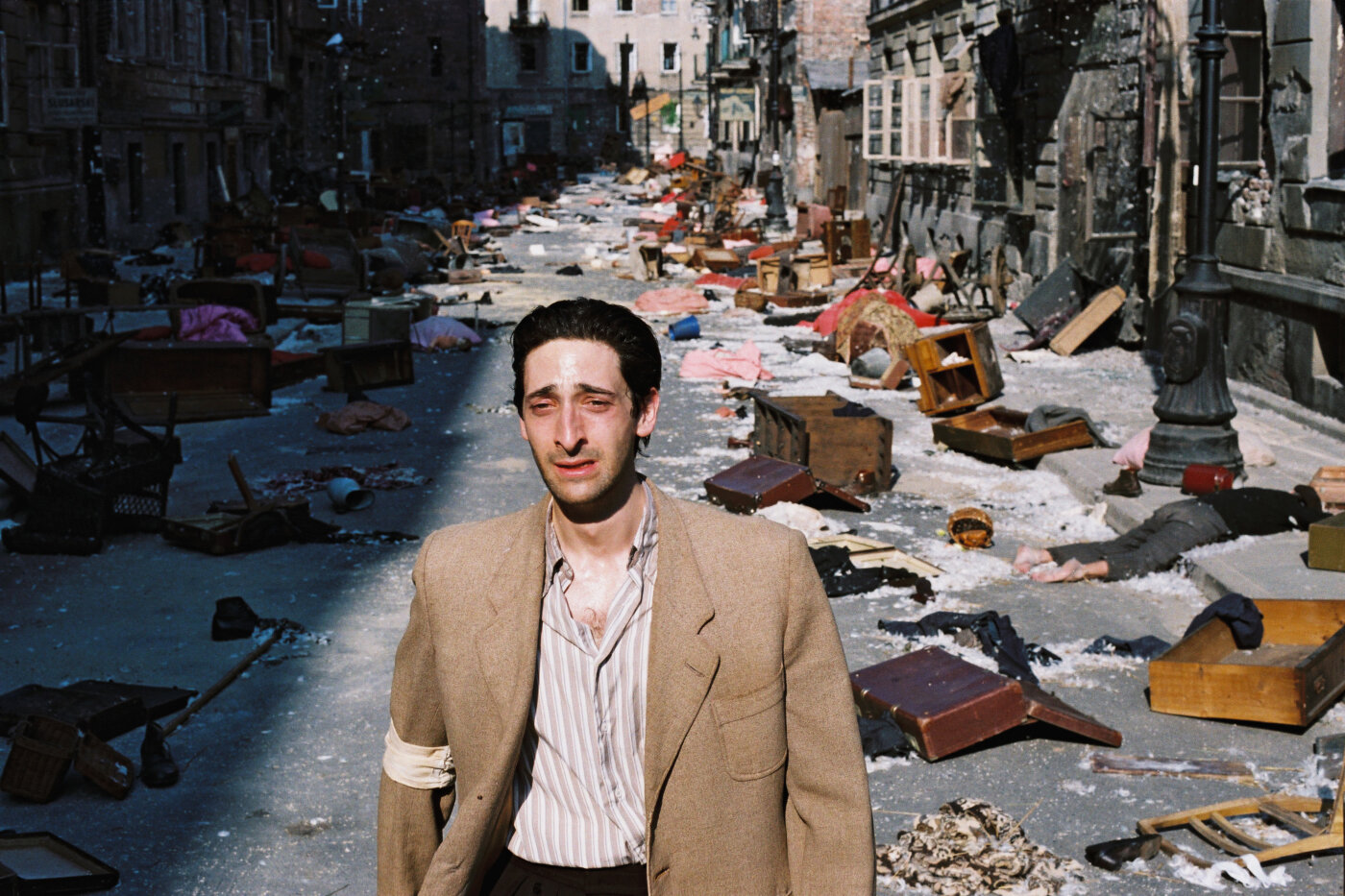
When Hosenfeld discovers Szpilman, he asks him to play the piano. The officer subsequently helps him with supplies.
Our interpretation: the encounter briefly makes a private identity audible to another person. But the scene’s power depends on the imbalance that remains in the room. Szpilman cannot know that being heard will make him safe. Hosenfeld has the freedom to respond in ways the pianist cannot command.
More from RecapRush
 One Flew Over the Cuckoo’s Nest (1975): The Attempt Bromden Can Finish
 Star Wars (1977): Hope Begins When Han Comes Back
 Searching for Sugar Man (2012) Recap & Ending Explained: Why Finding Rodriguez Does Not Settle the Money
We should resist turning this into an audition for the right to live. Szpilman’s extraordinary ability helps structure this particular scene; human worth cannot depend on performing something extraordinary. The lives taken elsewhere in the story do not become less valuable because the film never gives their owners a recital.
The meaningful decision is therefore also the listener’s. Recognition requires action afterward. Admiring music while leaving its maker exposed would be a much thinner kind of response. The provisions matter because care must become material to sustain a body.
Ending explained: returning without restoring
Cast and Characters
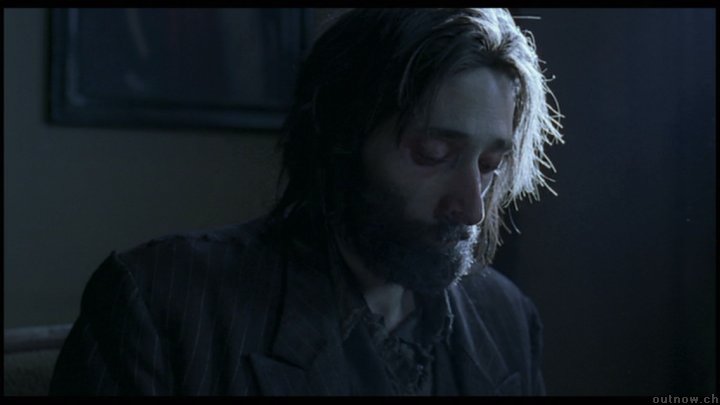
The film returns Szpilman to broadcasting and the concert stage. It also shows Hosenfeld imprisoned and seeking help, then identifies his death in captivity in a closing title.
We read those endings together rather than treating the performance as a final answer to both men’s stories. Survival allows Szpilman to resume a practice. It does not give him control over every life connected to his own. Gratitude cannot guarantee the ability to repay assistance.
The concert changes the situation of listening. Music can again be offered publicly instead of being played under the immediate authority of an armed man. That difference is substantial. Still, the new audience cannot replace every absent listener, or turn everything that preceded the performance into preparation for artistic achievement.
What the final music can carry
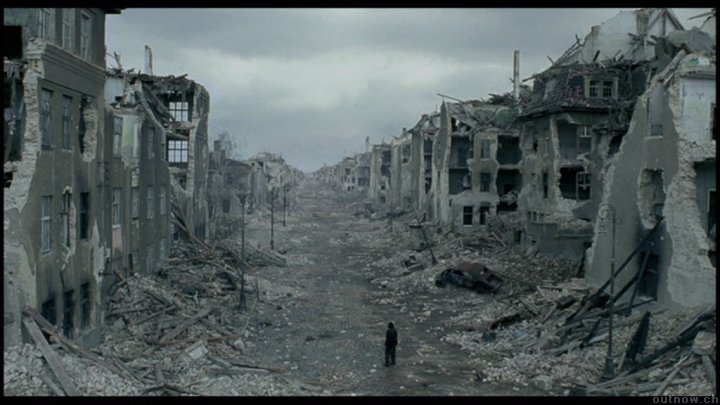
Our conclusion is that the ending preserves a tension the viewer should keep. There is value in a life continuing and in work becoming possible again. There is also a danger in letting that continuation reassure us too completely.
Szpilman’s survival does not establish a fair rule by which people survived. His return to music can carry memory without explaining away catastrophe. The final concert matters most when we hear a restored possibility inside it, while allowing what cannot be restored to remain present.
Trailer
The theatrical trailer in Movieclips’ licensed archive. Rialto’s official restoration trailer promotes the same 2002 film.
Join the conversation
What did you think of the ending? Share your interpretation. Spoilers may appear below.
This product uses the TMDB API but is not endorsed or certified by TMDB.
No comments yet. Start the conversation.