

RECAPRUSH MOVIE GUIDE
Schindler's List (1993)
Directed by Steven Spielberg
RecapRush considers Schindler’s changing use of influence, Stern’s gratitude and the final survivor epilogue, asking why rescue matters without cancelling grief.
Overview, poster, and credits from TMDB.
Read and watch our analysis ↓FROM THE RECAPRUSH LIBRARY · ANALYSIS
Schindler's List (1993): The Lives Saved Are Not a Consolation Prize
6 min read · Estimated reading time— views
RecapRush Viewpoint
A count can record a rescue while failing to express what has been rescued. That tension is central to how we read the ending of Schindler’s List. The people who survive cannot be made adequate compensation for those murdered. Neither can the enormity of the murders make any particular survivor’s life a negligible result.
Our reading: The ending asks us to hold gratitude and grief together without turning either into an argument against the other. It refuses the comfort of a moral balance sheet on which enough good would cancel suffering, while also refusing to treat a life saved as merely a small number beside a larger one.
Ending spoilers follow. This is criticism of Spielberg’s released 1993 film. Its dramatized scenes are discussed as film events, not offered as independent evidence that historical conversations happened exactly as depicted.
Quick Facts and Cast
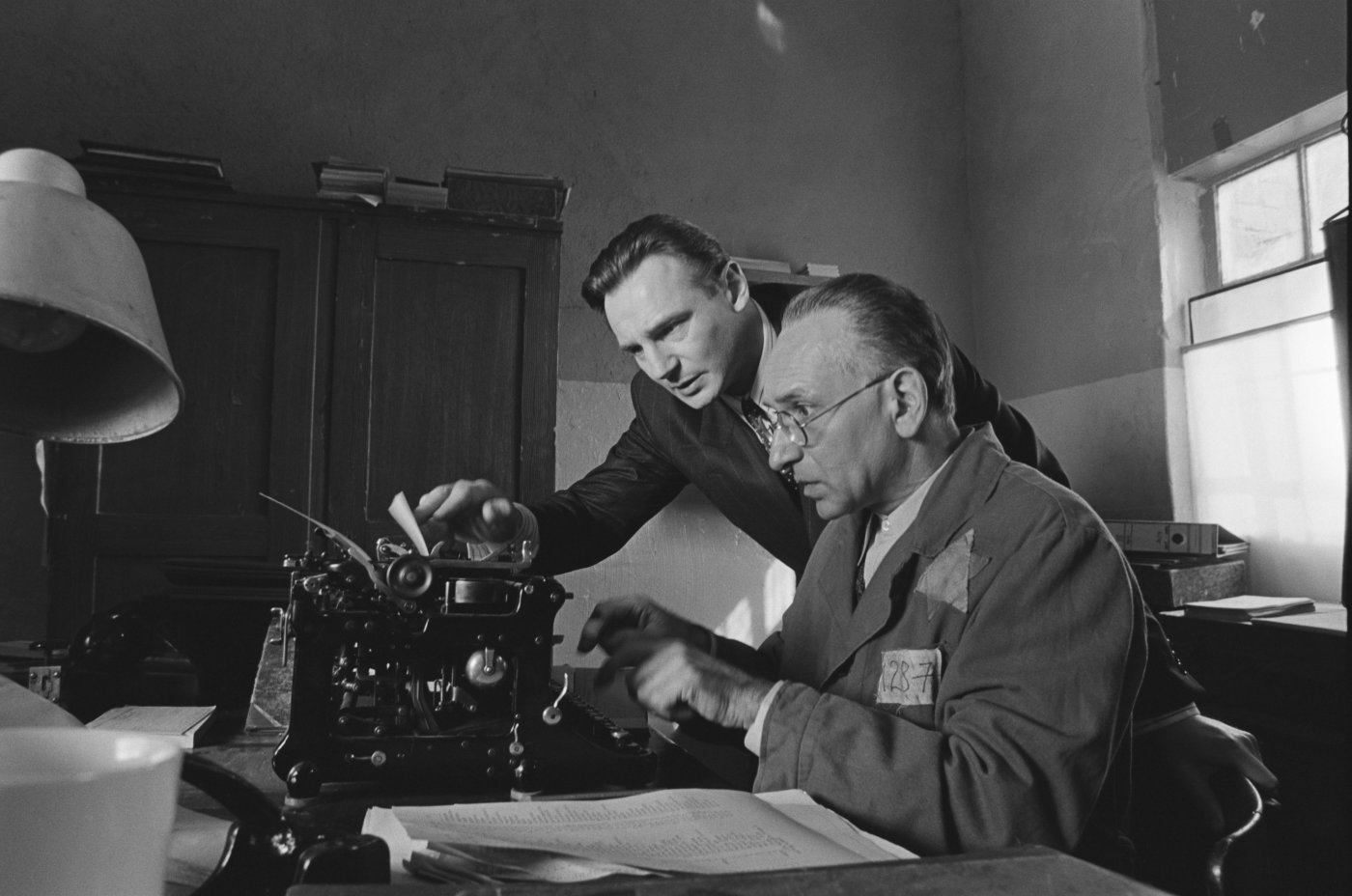
- Director: Steven Spielberg. Screenplay: Steven Zaillian, based on Thomas Keneally’s book. Cinematography: Janusz Kamiński. [1]
- US theatrical opening: December 15, 1993, following the November 30 Washington, D.C. premiere. Runtime: 195 minutes in Universal’s home release. [2, 3]
- Principal cast: Liam Neeson as Oskar Schindler, Ben Kingsley as Itzhak Stern, Ralph Fiennes as Amon Goeth, Caroline Goodall as Emilie Schindler, Jonathan Sagall as Poldek Pfefferberg and Embeth Davidtz as Helen Hirsch. [1, 2]
- Exact identity: IMDb tt0108052; TMDB movie 424. Collection rank #7 is from the fixed November 1, 2026 archive, not a live ranking. [4]
When a Useful Skill Changes Its Purpose
The film introduces Schindler as a businessman profiting under Nazi occupation, then follows his commitment of resources and influence to protecting Jewish workers. [1] His ability to negotiate does not disappear. Its purpose changes.
For us, that matters more than imagining compassion as a completely new personality arriving from nowhere. A talent carries no guarantee about whom it will serve. Persuasion can secure personal advantage or create room for someone else to survive. The film makes the use of a skill, rather than the possession of it, the object of judgment.
This does not make the earlier exploitation a necessary apprenticeship in goodness. We do not have to excuse what a character first does in order to recognize what he later chooses. Nor does a later choice establish that the person was secretly innocent all along. The more demanding reading allows change without rewriting the conduct from which that change departs.
More from RecapRush
 The Bridge on the River Kwai (1957) Recap & Ending Explained: Why Nicholson Protects the Wrong Victory
 Street Fighter (2026) Recap & Ending Explained: Dark Ryu, Ken and Bison’s Escape
 Jurassic World (2015) Recap & Ending Explained: The Park Confuses Ownership with Control
Stern’s Gratitude Has Its Own Authority
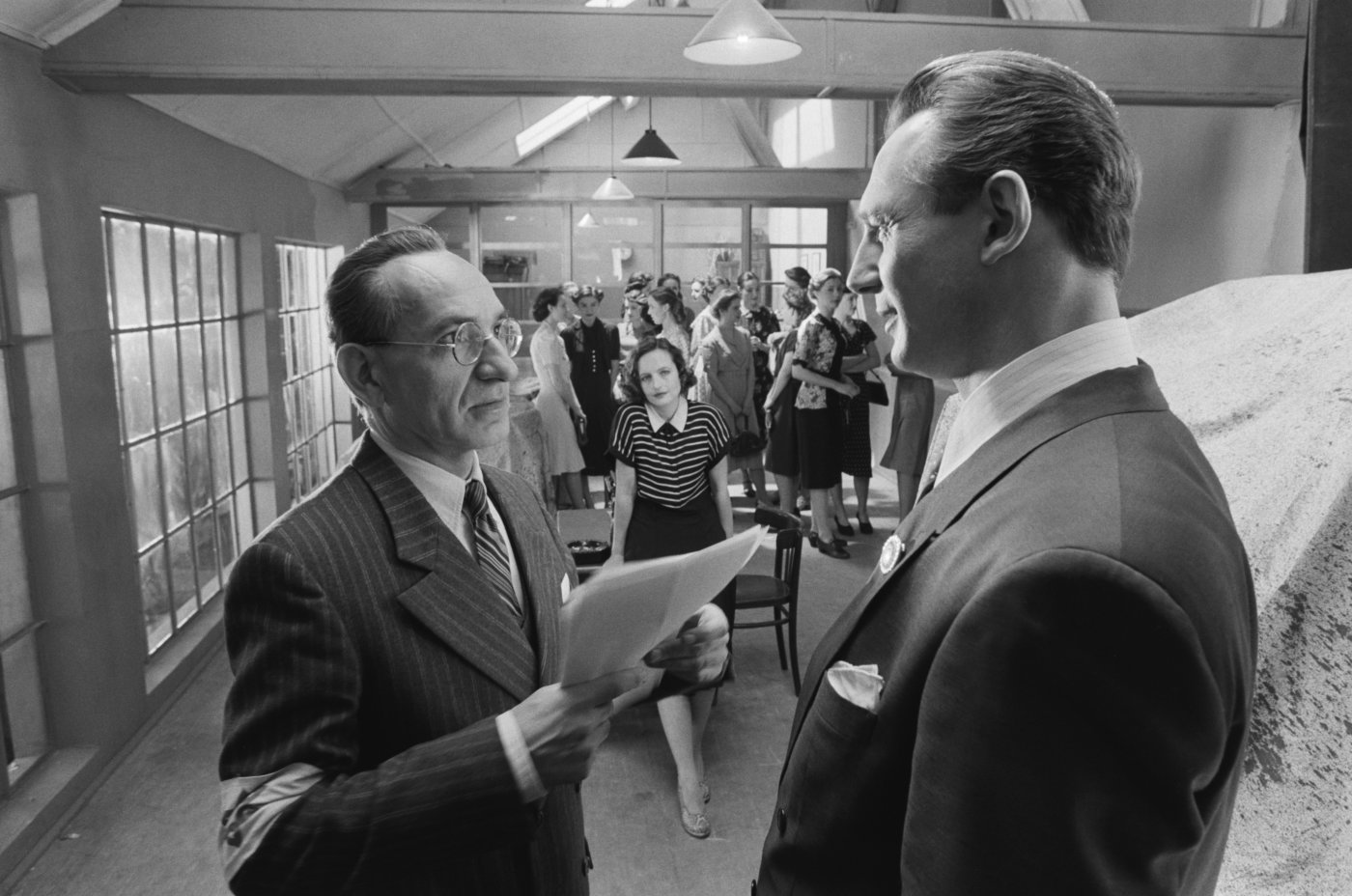
Near the end, the workers give Schindler a ring. Stern affirms the lives saved; Schindler breaks down over the people he might still have saved. [3] The two responses do not settle into a single reassuring emotion.
We find it important that Stern’s answer is not treated merely as something said to calm the main character. Gratitude belongs to the people expressing it. Their recognition of what has been done is a judgment they are entitled to make, even when its recipient cannot accept it comfortably.
Schindler’s anguish also has a limit as a measure of everyone else’s experience. If his inability to feel that he has done enough became the final authority, the living people before him could disappear again into an account of his inadequacy. We read Stern’s response as a necessary counterweight: these lives are present, and their value does not wait for a rescuer to feel absolved.
Ending Explained: Survival Does Not Close the Account
Cast and Characters
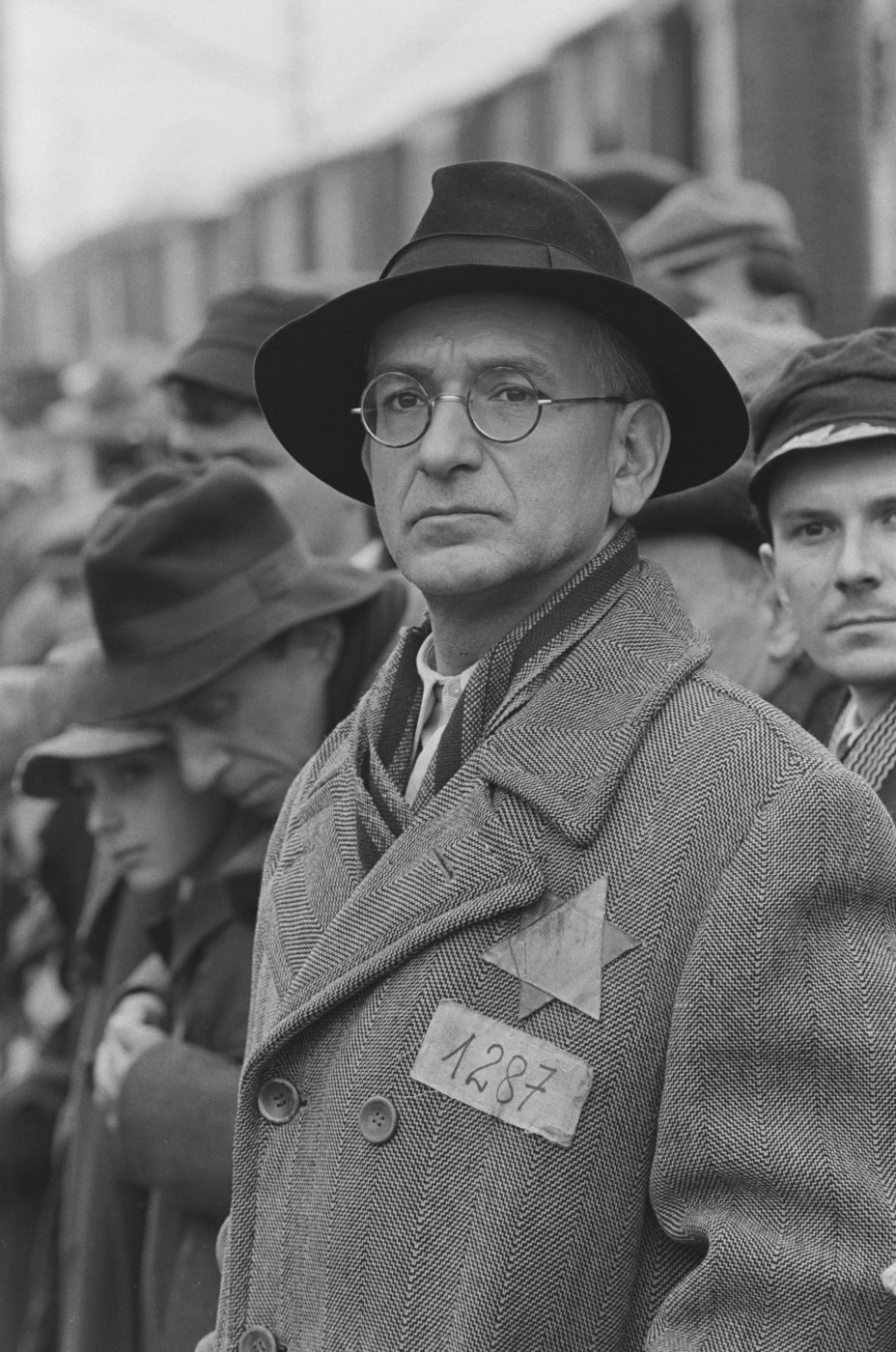
The film moves beyond the wartime farewell to a color epilogue in which real survivors, accompanied by actors, visit Schindler’s grave and place stones there. [3, 5] The shift brings the represented people and people who lived through the Holocaust into the same ending without making them interchangeable.
RecapRush interpretation: This is where a story about changed conduct must give space back to those whose lives extend beyond that story. The survivors are not simply evidence that a protagonist has passed a test. Their presence exceeds the function that a conventional ending might assign them.
We therefore resist calling the conclusion a repair of the catastrophe it has portrayed. Rescue matters without repairing murder. Remembering the murdered matters without diminishing the people who survived. Neither truth needs to defeat the other for the ending to have moral force.
Final Thought
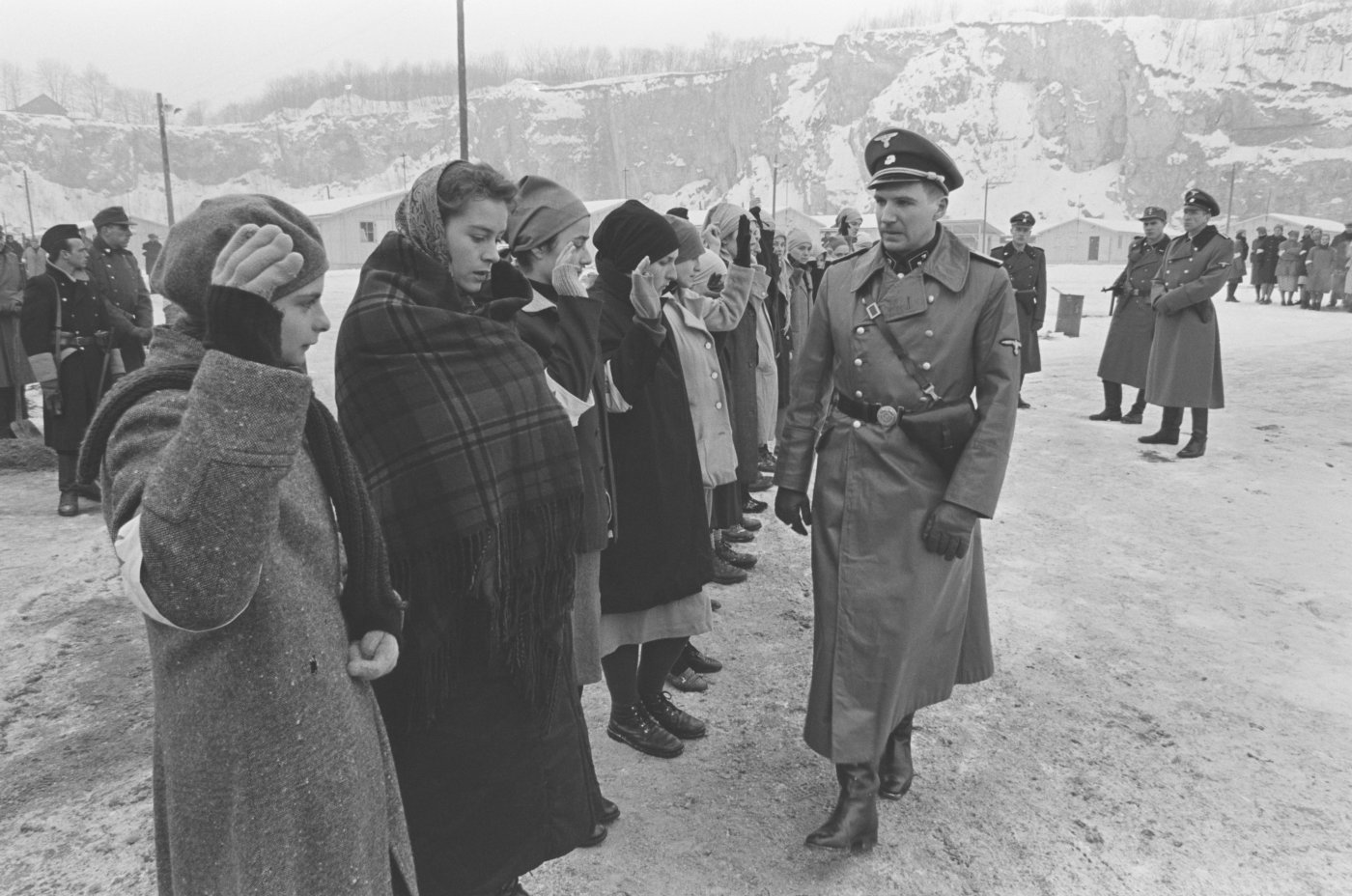
For us, the film’s final challenge is to stop treating value as something produced by comparison. A survivor’s life is not a consolation prize, and an act of rescue is not a receipt cancelling everything around it. Gratitude can acknowledge an action fully while grief remains unfinished. The ending gives us no reason to demand that either feeling become smaller.
Join the conversation
What did you think of the ending? Share your interpretation. Spoilers may appear below.
This product uses the TMDB API but is not endorsed or certified by TMDB.
No comments yet. Start the conversation.