

RECAPRUSH MOVIE GUIDE
Gladiator (2000)
Directed by Ridley Scott
RecapRush examines the difference between Maximus’s personal revenge and the freedom and political responsibility his final orders leave to others.
Overview, poster, and credits from TMDB.
Read and watch our analysis ↓FROM THE RECAPRUSH LIBRARY · ANALYSIS
Gladiator (2000): Revenge Can End a Life, but It Cannot Finish Rome
5 min read · Estimated reading time— views
RecapRush viewpoint · Spoilers for the 2000 film, including its ending.
Maximus wants to kill Commodus. Gladiator gives that desire immense emotional force, then leaves a task that killing cannot complete. Our reading is that its ending separates a man’s personal release from the future he asks others to build. Revenge can settle the confrontation in the arena. It cannot, by itself, tell the survivors how to live together afterward.
Quick facts
- Film: Gladiator (2000), directed by Ridley Scott; written by David Franzoni, John Logan and William Nicholson.
- US theatrical release: May 5, 2000. Runtime: 155 minutes in the BFI record.
- Principal cast: Russell Crowe — Maximus; Joaquin Phoenix — Commodus; Connie Nielsen — Lucilla; Djimon Hounsou — Juba.
- Verified identity: IMDb tt0172495 · TMDB movie 98.
- Scope: The original film’s fictional narrative. This is criticism of its choices, not a reconstruction of Roman history or an account of Gladiator II.
The emperor wants to own the ending
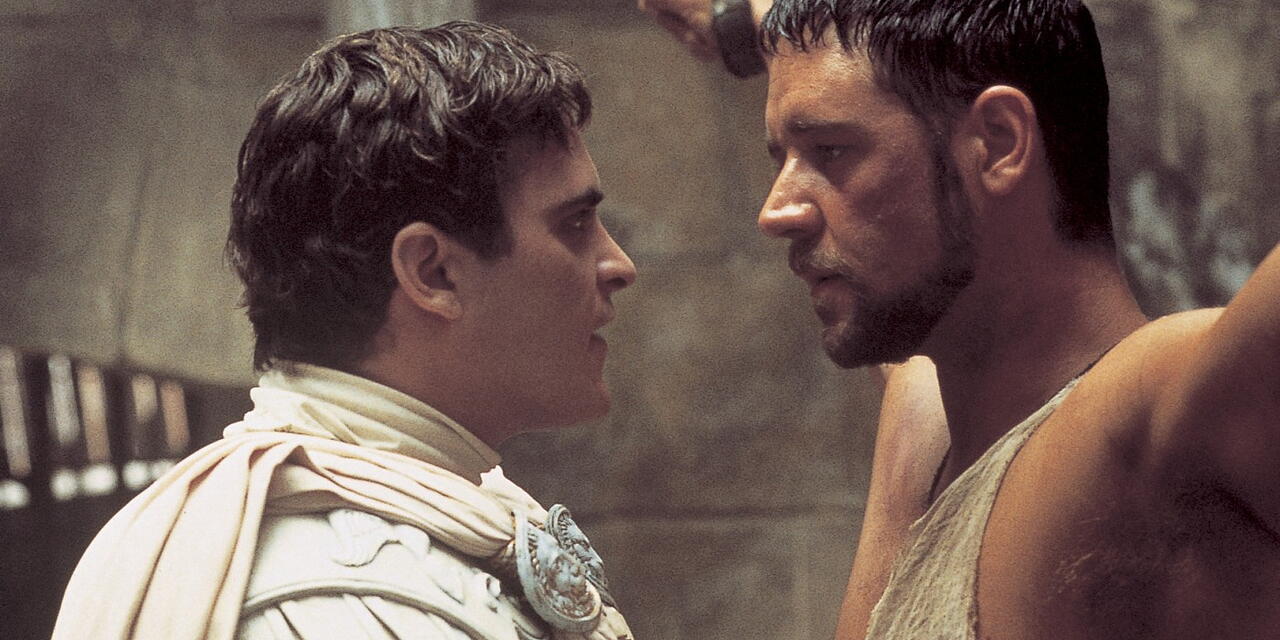
Commodus challenges Maximus in the arena, but first secretly wounds him while he is restrained. The promised contest begins with an advantage concealed from its audience.
For us, this makes the emperor’s problem larger than fear of defeat. He needs the appearance of bravery without accepting its uncertainty. The public image and the private preparation belong to different moral worlds. His power includes the ability to arrange what other people are allowed to see.
That is why the arena works as more than a location for revenge. It is a place where authority tries to convert violence into a story about deserving to rule. A victory would not simply remove Maximus; it would let Commodus present the removal as proof of his own excellence. Cheating protects both his body and that preferred explanation.
Maximus’s final orders widen the story
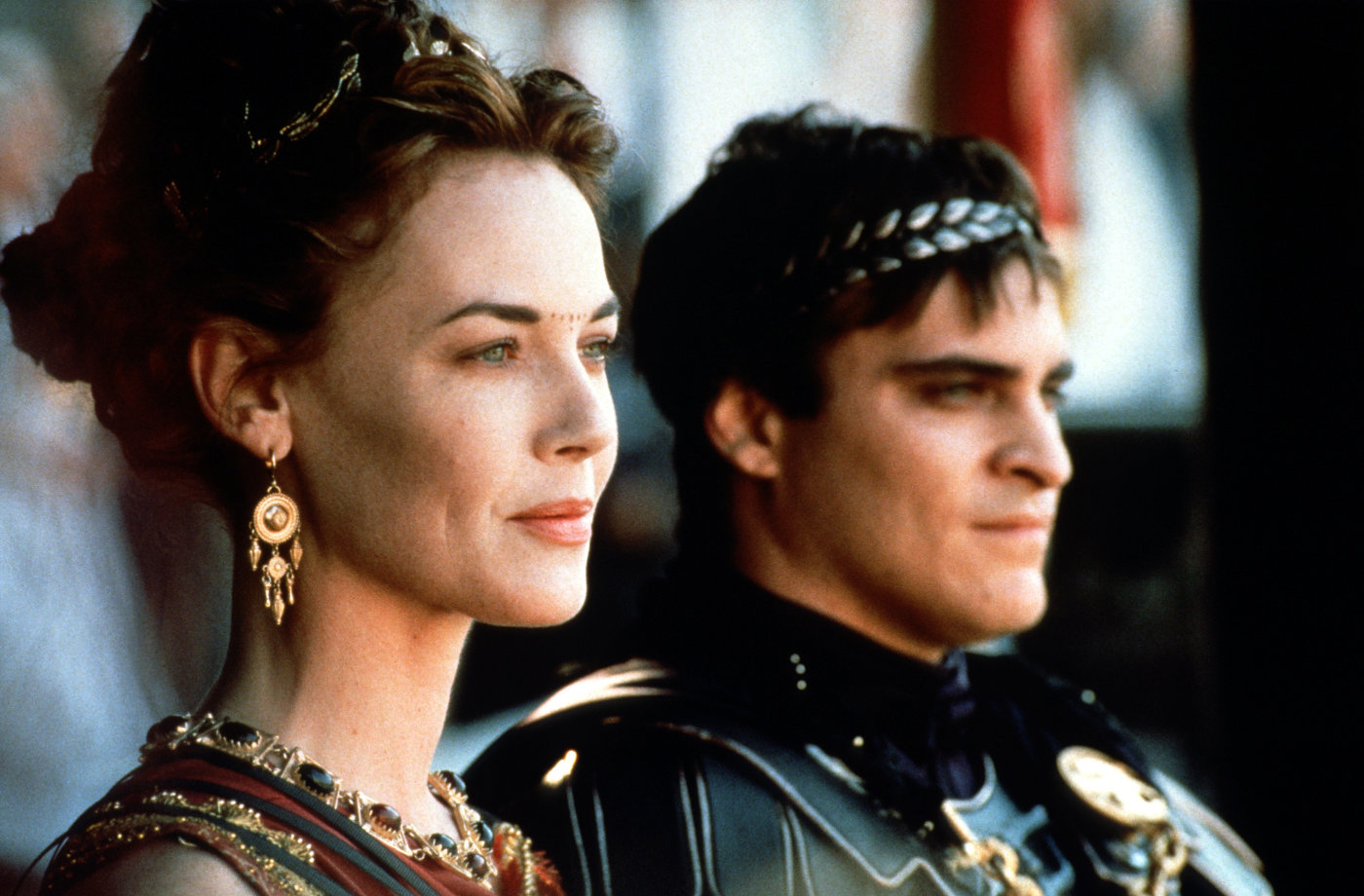
Maximus kills Commodus and is dying from his wound. Before he dies, he orders his men freed and Senator Gracchus reinstated, invoking Marcus Aurelius’s wishes for Rome.
Our interpretation: the distinction lies in whom those orders benefit. The death of Commodus answers a grievance. Freedom for other people asks what should follow the answer. Maximus’s last exercise of authority points beyond his own suffering, even though the film has made that suffering its emotional center.
More from RecapRush
 Star Wars: The Force Awakens (2015) Recap & Ending Explained: Choosing a Future Beyond the Past
 Whalefall (2026) Recap & Ending Explained: Jay’s Escape and His Father’s Letter
 Minions & Monsters (2026) Recap & Ending Explained: Why the Final Camera Pullback Changes James’s Victory
This does not turn him into a bloodless symbol of public duty. The personal and political remain tangled. What makes the final instructions valuable is their refusal to let the personal be sufficient. Other lives must continue after the hero’s story has reached its decisive moment.
Ending explained: release is not a completed reform
Cast and Characters
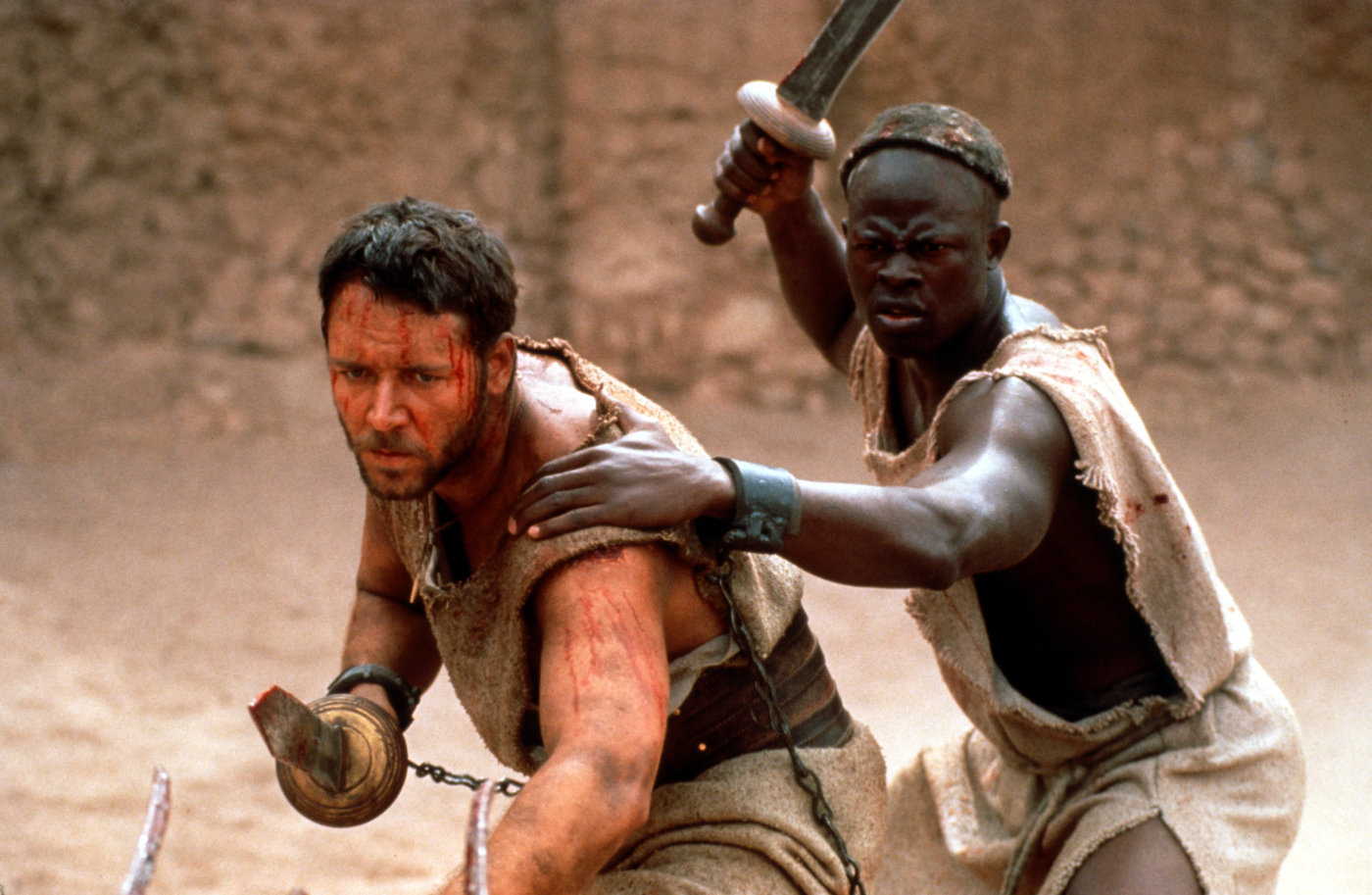
Maximus experiences visions of reunion with his murdered family. After his death, the newly freed Juba buries Maximus’s family figurines in the arena.
We read the family imagery as the film’s language for release from pain, not evidence for a general claim about death. It offers Maximus something the arena could never provide: a home beyond the audience’s demand for another performance.
Juba’s continuing presence matters just as much. The emotional perspective survives the star. Someone remains to remember him, handle these small objects and inhabit the freedom the ending has made possible. The scale contracts from imperial spectacle to an intimate act of care.
But a dying request is not a functioning political settlement. We should distinguish the hope expressed for Rome from proof that the hope has been realized. The film closes the personal journey more fully than the institutional question. Treating those two kinds of closure as identical would make its final appeal easier than it is.
What the victory leaves behind
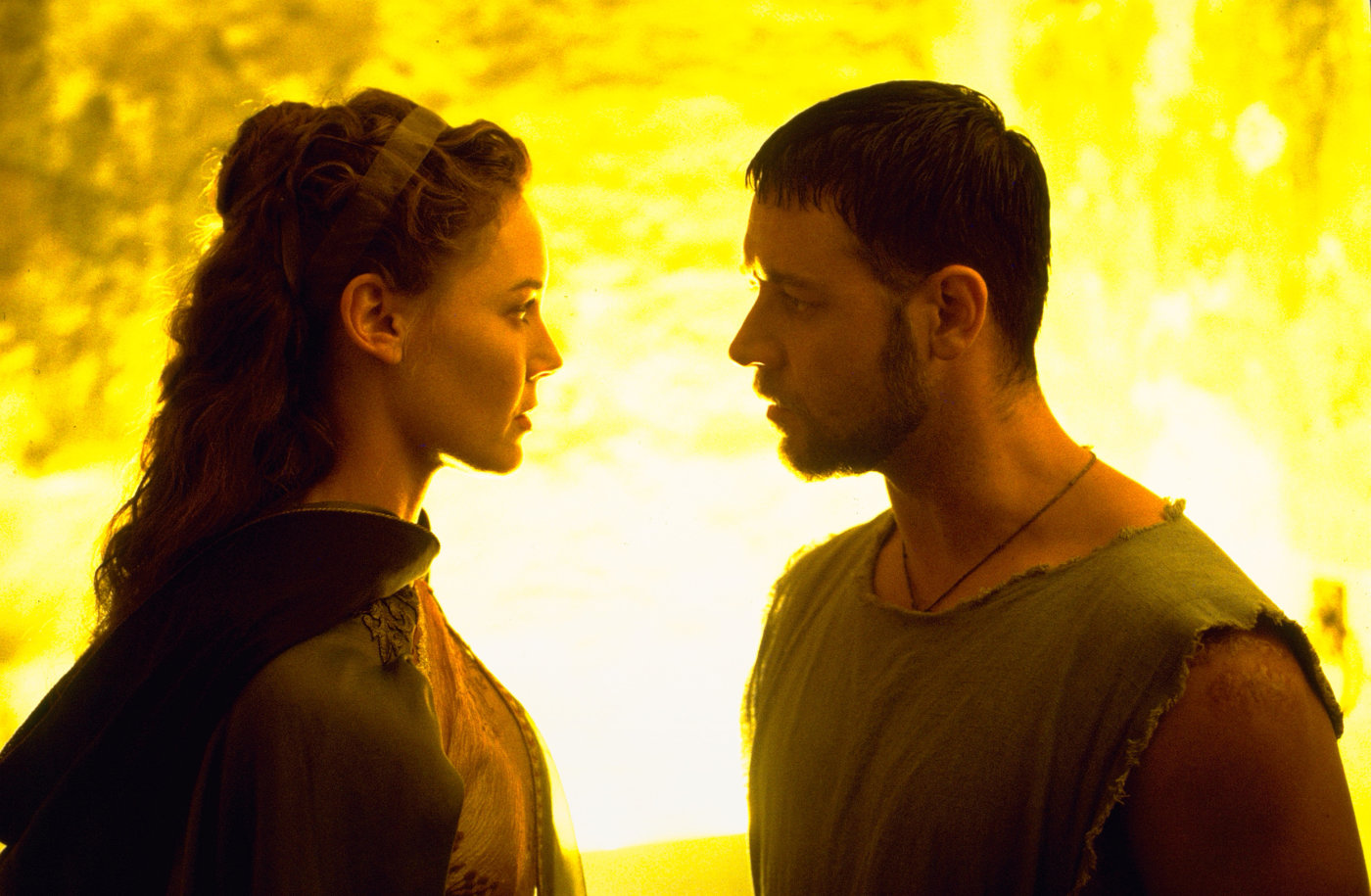
Our reservation about the ending is also part of its interest: a public future is carried by the moral authority of one extraordinary man. The film makes that dependence moving without demonstrating how an ordinary system could preserve what he wants.
That leaves the survivors with responsibility rather than a finished solution. Maximus can defeat the person who has wronged him. He cannot remain to ensure that his example becomes a durable practice. Gladiator is strongest when its grief allows us to feel both truths at once: one man’s struggle can matter enormously, and the work of living freely still belongs to those who outlast him.
Join the conversation
What did you think of the ending? Share your interpretation. Spoilers may appear below.
This product uses the TMDB API but is not endorsed or certified by TMDB.
No comments yet. Start the conversation.