
RECAPRUSH MOVIE GUIDE
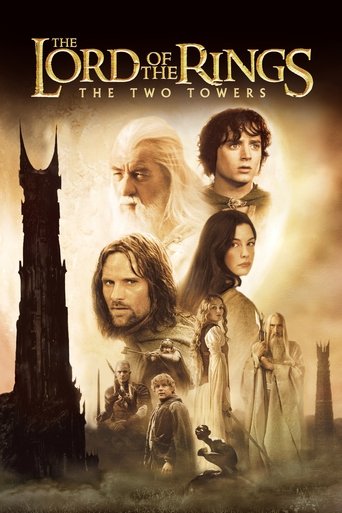
The Lord of the Rings: The Two Towers (2002)
Directed by Peter Jackson
RecapRush considers Sam’s encouragement, Faramir’s decision to release the hobbits and the unresolved danger at the ending, asking how hope can coexist with exhaustion.
Overview, poster, and credits from TMDB.
Read and watch our analysis ↓FROM THE RECAPRUSH LIBRARY · ANALYSIS
The Two Towers (2002): Sam Does Not Ask Frodo to Feel Brave
6 min read · Estimated reading time— views
RecapRush Viewpoint
An exhausted person can hear encouragement as another demand: recover your confidence, become inspiring again, make the struggle easier for everyone watching. The Two Towers gives us a more useful way to think about hope. A person can continue to matter while feeling unequal to the task.
Our reading: Sam’s late speech gives Frodo something to hold on to without requiring him to feel heroic first. Hope becomes an attachment to what deserves protection, rather than a confident estimate that everything will turn out well. The distinction is small in wording and enormous in what it asks of a frightened friend.
Ending spoilers follow. This analysis concerns the released 2002 theatrical film. It does not import the novel’s later events, extended-edition additions or the resolution of the next film.
Quick Facts and Cast
- Official title: The Lord of the Rings: The Two Towers (2002).
- Director: Peter Jackson. Screenplay: Fran Walsh, Philippa Boyens, Stephen Sinclair and Peter Jackson. Theatrical runtime: 179 minutes. [1, 2]
- US theatrical release: December 18, 2002, after the December 5 New York premiere. [1]
- Key performances: Elijah Wood as Frodo, Sean Astin as Sam, Andy Serkis as Gollum, Viggo Mortensen as Aragorn, Bernard Hill as Théoden, Ian McKellen as Gandalf and David Wenham as Faramir. [1]
- Exact identity: IMDb tt0167261; TMDB movie 121. Collection rank #10 belongs to the fixed November 1, 2026 archive, not a live chart. [3]
What Can Remain When Confidence Has Gone
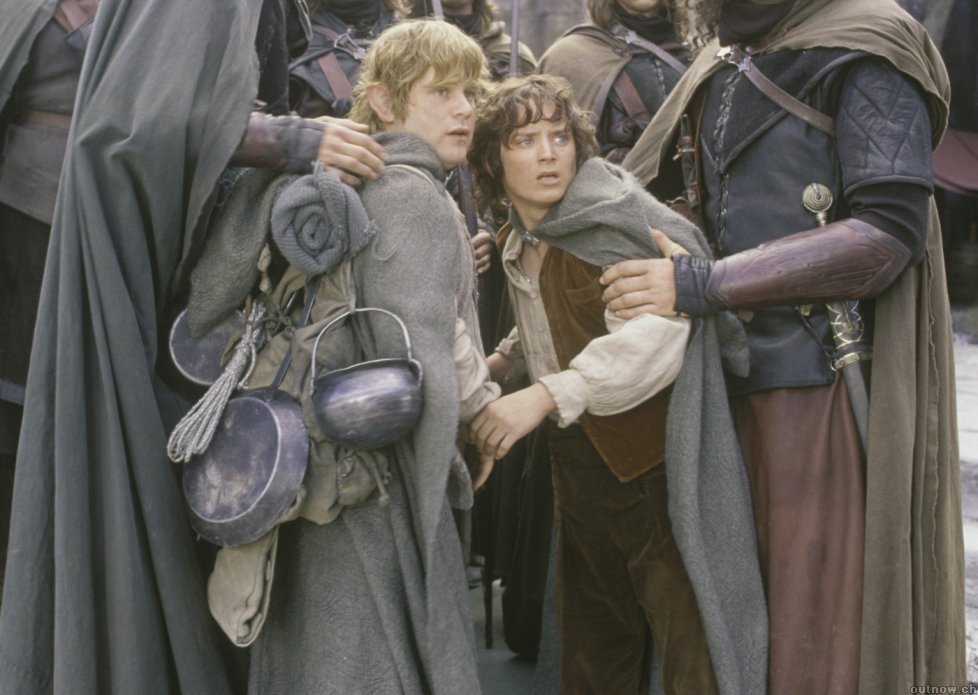
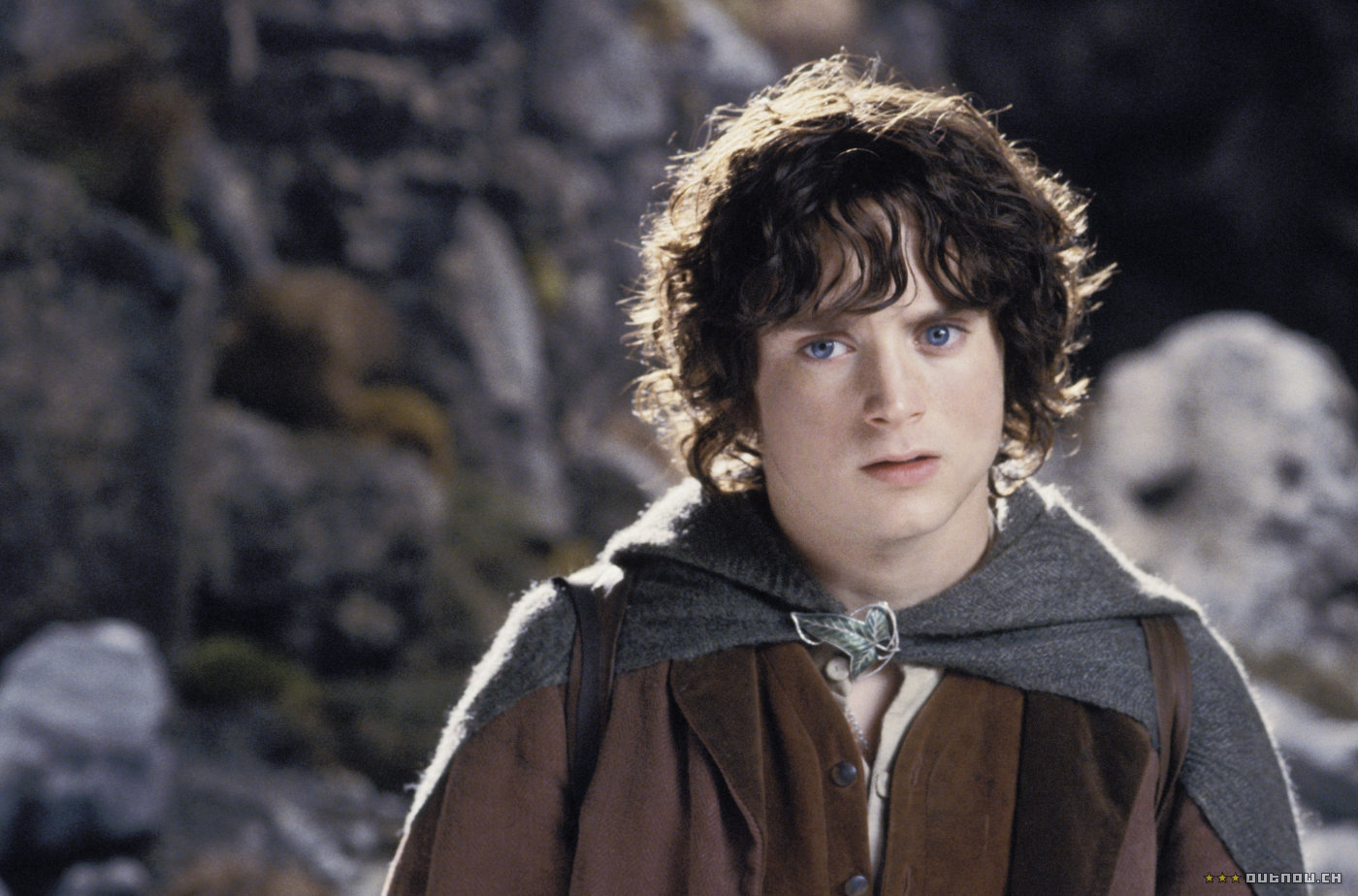
After the encounter with a Ringwraith in Gondor, Frodo turns on Sam, then recovers himself and doubts his ability to continue. Sam responds by talking about the endurance of people in great stories and the good that still deserves defending. [1]
For us, the force of the scene comes from the damage already visible in the friendship. Sam cannot plausibly offer a picture in which the Ring leaves its bearer untouched. Nor can Frodo simply promise that he will always remain in command of himself. Their bond has to operate inside that knowledge.
We read Sam’s response as an offer of shared attention. Instead of making Frodo inspect his own dwindling courage until he finds enough of it, Sam turns toward something beyond the measurement of courage: the world their effort is meant to preserve. A reason to continue can remain available even when confidence does not.
That does not make fear a misunderstanding to be corrected. Fear is responsive to real danger here. Encouragement becomes valuable because it can accompany that fear, giving a person a little room to move without insisting that the feeling disappear first.
More from RecapRush
 Forrest Gump (1994): The Courage to Wait at the Bus Stop
 Chernobyl (2019) Recap & Ending Explained: Why Legasov Chooses Truth Over Survival
 Wicker (2026) Recap & Ending Explained: Why Saving the Baby Matters More Than Exposing the Lie
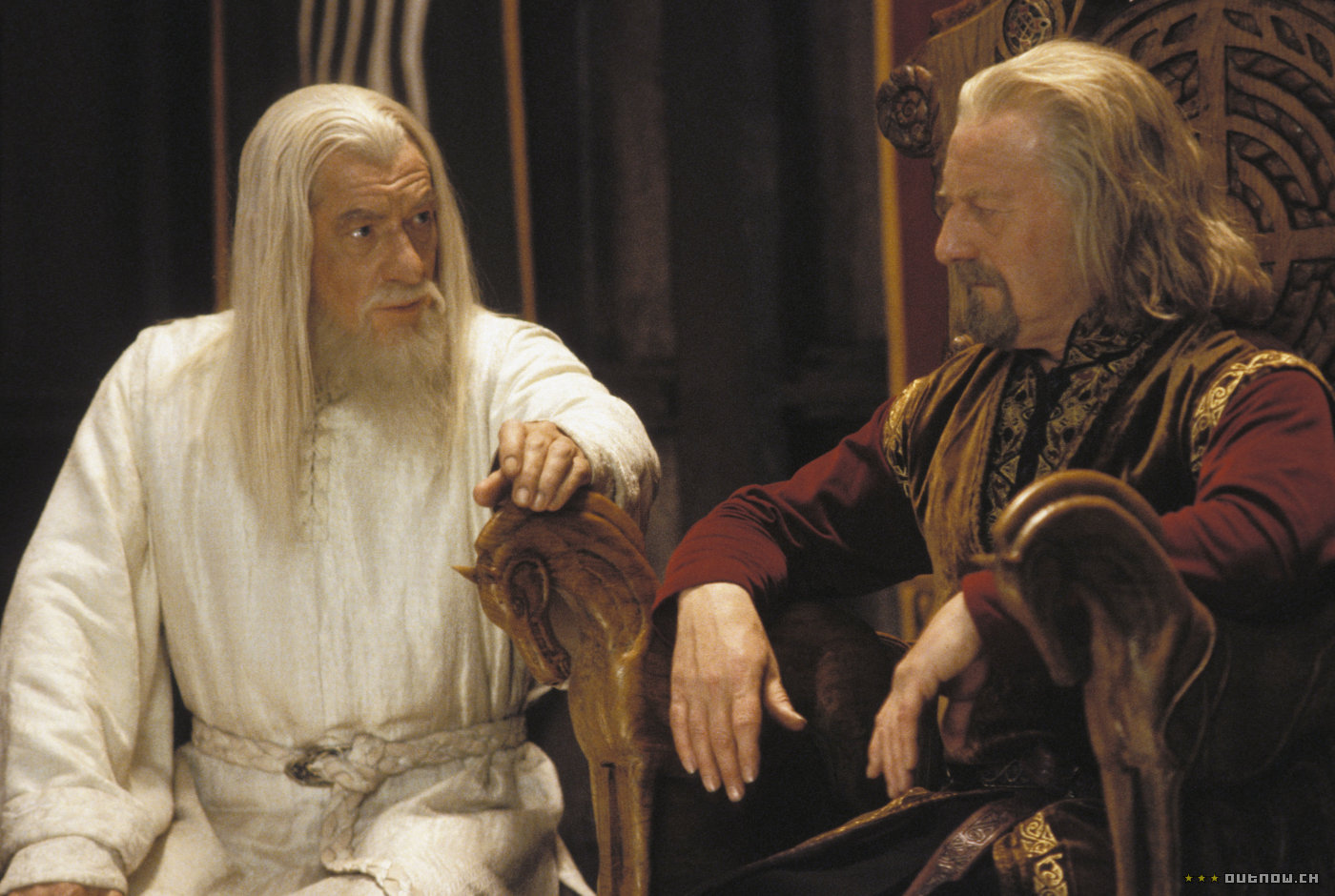
Faramir Must Make Space for Someone Else’s Task
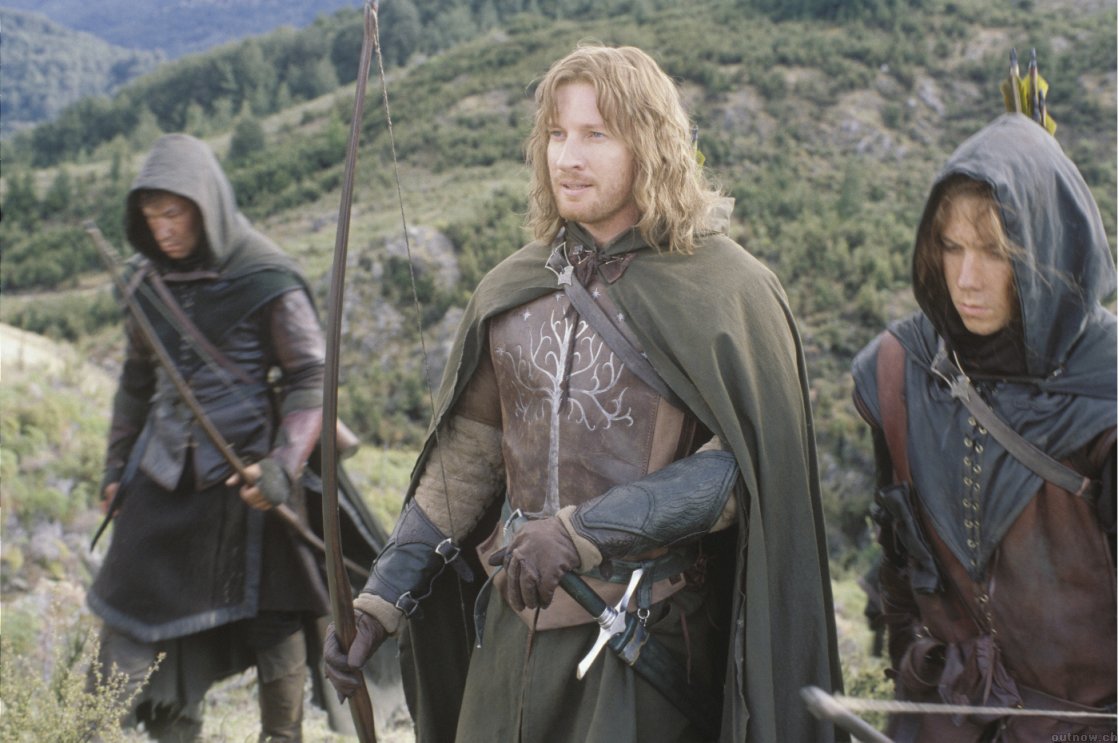
Faramir decides to release the hobbits after hearing Sam and witnessing Frodo’s vulnerability to the Ring. [1] The choice matters to our reading because hope cannot remain only a speech delivered to the people carrying the heaviest burden. It also needs decisions from those who can make their passage harder or easier.
A powerful observer can praise someone’s perseverance while keeping every obstacle of his own making in place. Faramir’s release changes the conditions under which the others must act. He relinquishes a claim rather than merely offering them admiration.
We find that a necessary companion to Sam’s words. It keeps the film’s encouragement from becoming a lesson that vulnerable people should simply try harder. Support can mean recognizing the limit of one’s authority over their next step. Believing that a task matters does not entitle every ally to take possession of it.
Ending Explained: A Victory That Leaves Work Ahead
Cast and Characters
The defenders prevail at Helm’s Deep, and the Ents flood Isengard. Yet the final movement leaves Frodo and Sam travelling with Gollum, whose private plotting reveals a continuing threat to them. [1] The film offers real achievements while keeping the larger struggle unresolved.
RecapRush interpretation: This arrangement protects hope from becoming a promise of safety. A successful battle cannot certify every relationship, and a reassuring conversation cannot remove every danger. The characters have reasons to go on; they have not obtained control over what comes next.
For us, the continuing threat also prevents an easy equation between compassion and guaranteed reward. Frodo’s concern for Gollum does not produce a simple contract under which kindness must make another person trustworthy. The ending leaves that difficulty present without allowing it to erase every reason for care.
This is the particular strength we find in a middle chapter. Its people cannot live from the certainty of a completed ending. They have to decide how to inhabit the unfinished stretch, where effort has consequences but no one can yet read the whole story.
Final Thought
Sam gives hope a place beside exhaustion. Faramir makes room for the travellers to leave. The victories buy a future that remains dangerous. We value the film’s encouragement because it does not need Frodo to feel brave before his next step can count.
Join the conversation
What did you think of the ending? Share your interpretation. Spoilers may appear below.
This product uses the TMDB API but is not endorsed or certified by TMDB.
No comments yet. Start the conversation.