
RECAPRUSH MOVIE GUIDE
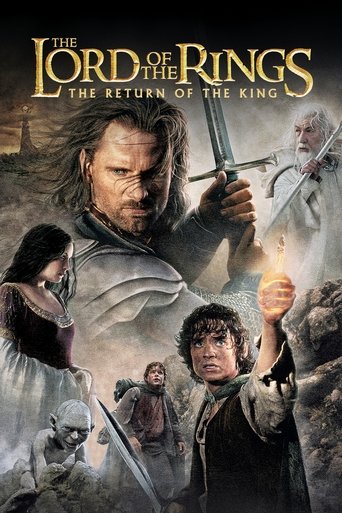
The Lord of the Rings: The Return of the King (2003)
Directed by Peter Jackson
RecapRush examines why Frodo’s inability to resume his old life does not diminish his achievement, and why the final farewell allows different forms of happiness.
Overview, poster, and credits from TMDB.
Read and watch our analysis ↓FROM THE RECAPRUSH LIBRARY · ANALYSIS
The Return of the King (2003): Why Victory Is Not the Same as Coming Home
6 min read · Estimated reading time— views
RecapRush Viewpoint
A happy ending can become an unreasonable demand: after everything someone has survived, we expect them to make the victory look worthwhile. The Return of the King refuses that bargain. Saving a home and feeling at home again are separate achievements.
Our reading: Frodo’s departure asks us to value what he has done without requiring him to recover on everyone else’s timetable. The Shire does not become less worth saving because its rescuer cannot simply settle back into it. His difficulty belongs inside the victory, rather than outside it as an embarrassing exception.
Ending spoilers follow. This focused analysis concerns Peter Jackson’s released 2003 film and its theatrical ending. It does not import the novel’s Scouring of the Shire or extended-edition scenes.
Quick Facts and Cast
- Film: The Lord of the Rings: The Return of the King (2003).
- Director: Peter Jackson. Screenplay: Fran Walsh, Philippa Boyens and Peter Jackson.
- US theatrical release: December 17, 2003. Theatrical runtime: 201 minutes. [1, 3]
- Principal cast: Elijah Wood as Frodo, Sean Astin as Sam, Viggo Mortensen as Aragorn, Ian McKellen as Gandalf, Andy Serkis as Gollum/Sméagol, Miranda Otto as Éowyn, Dominic Monaghan as Merry and Billy Boyd as Pippin. [1, 3]
- Exact identity: IMDb tt0167260; TMDB movie 122. The collection uses the fixed November 1, 2026 archive, where this film is #5; this is not a live ranking. [2]
Frodo Does Not Win by Becoming Invulnerable
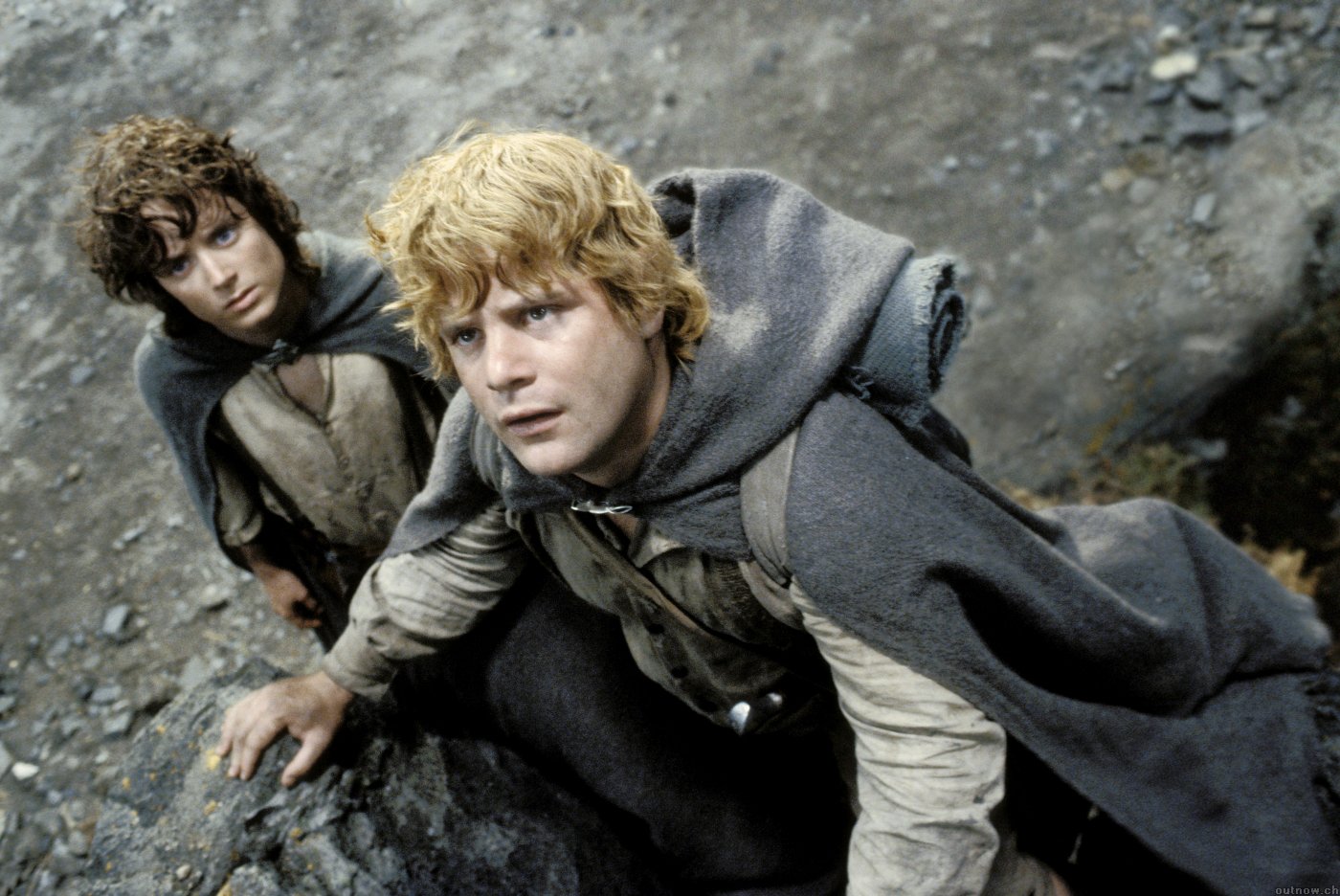
At Mount Doom, Frodo claims the Ring instead of destroying it. Gollum bites it from his hand; their struggle sends Gollum and the Ring into the fire, while Sam pulls Frodo from the ledge. [4] That sequence prevents a comfortable account in which sufficient determination makes the burden harmless.
For us, Frodo’s failure at the final moment changes the meaning of endurance. Carrying something this far still matters even when the carrier cannot master it at the destination. Courage is not a receipt proving that every future choice will remain intact. Treating the climax as a simple examination of moral fitness would discard almost everything the journey has taught us about dependence.
Sam’s rescue matters within that argument. Frodo does not have to produce one last impressive act before he deserves a hand. Care arrives when his command of himself has broken down. We find that more moving than a flawless heroic finish: friendship does not make worthiness another task for an exhausted person to complete.
More from RecapRush
 Doctor Strange (2016) Recap & Ending Explained: Why Surrender Is Stephen's Winning Move
 The Fixers (2026) Full Series Recap & Ending Explained – Primordial Files Breakdown
 Spider-Man: Brand New Day (2026) Recap & Ending Explained: Why Peter Chooses to Be Known Again
Public Victory Cannot Set a Private Deadline
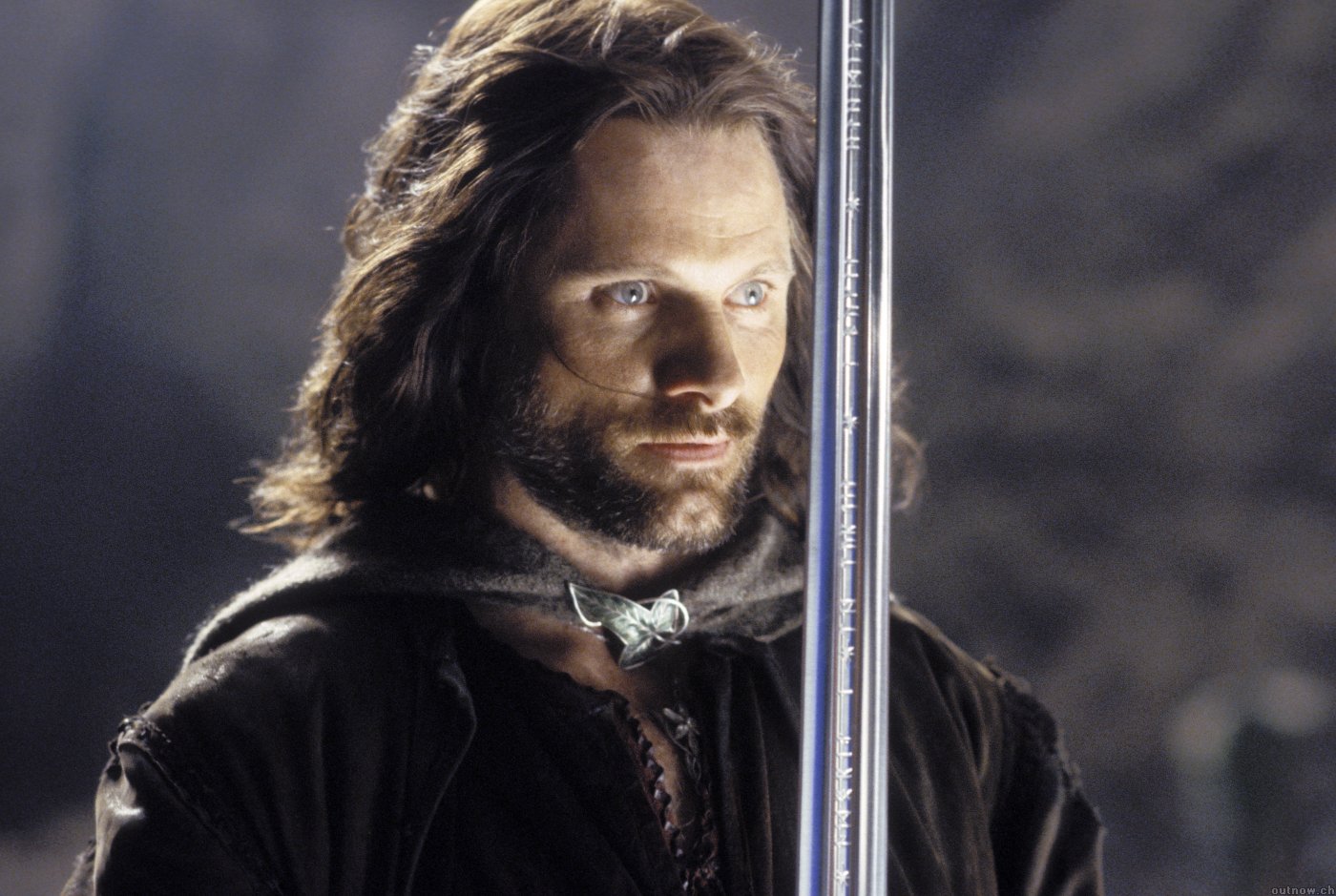
Aragorn’s coronation gives the story an unmistakable public achievement. Frodo’s later departure gives it a different measure of what remains unresolved. [4, 5] Neither scene needs to disprove the other.
RecapRush interpretation: A coronation can mark a change in government. It cannot declare the end of every person’s suffering. The temptation is to let a shared celebration establish the emotional schedule for everyone who helped make it possible. Frodo’s ending resists that pressure.
This is why we would not describe the final movement as merely too many endings. Each arrival tests a different promise. The restoration of a kingdom answers one question; whether a wounded person can inhabit an ordinary day answers another. A film concerned only with results could stop once the political future is secured. This one also asks who can enjoy that future, and on what terms.
Ending Explained: Leaving Is Not a Failure of Gratitude
Cast and Characters
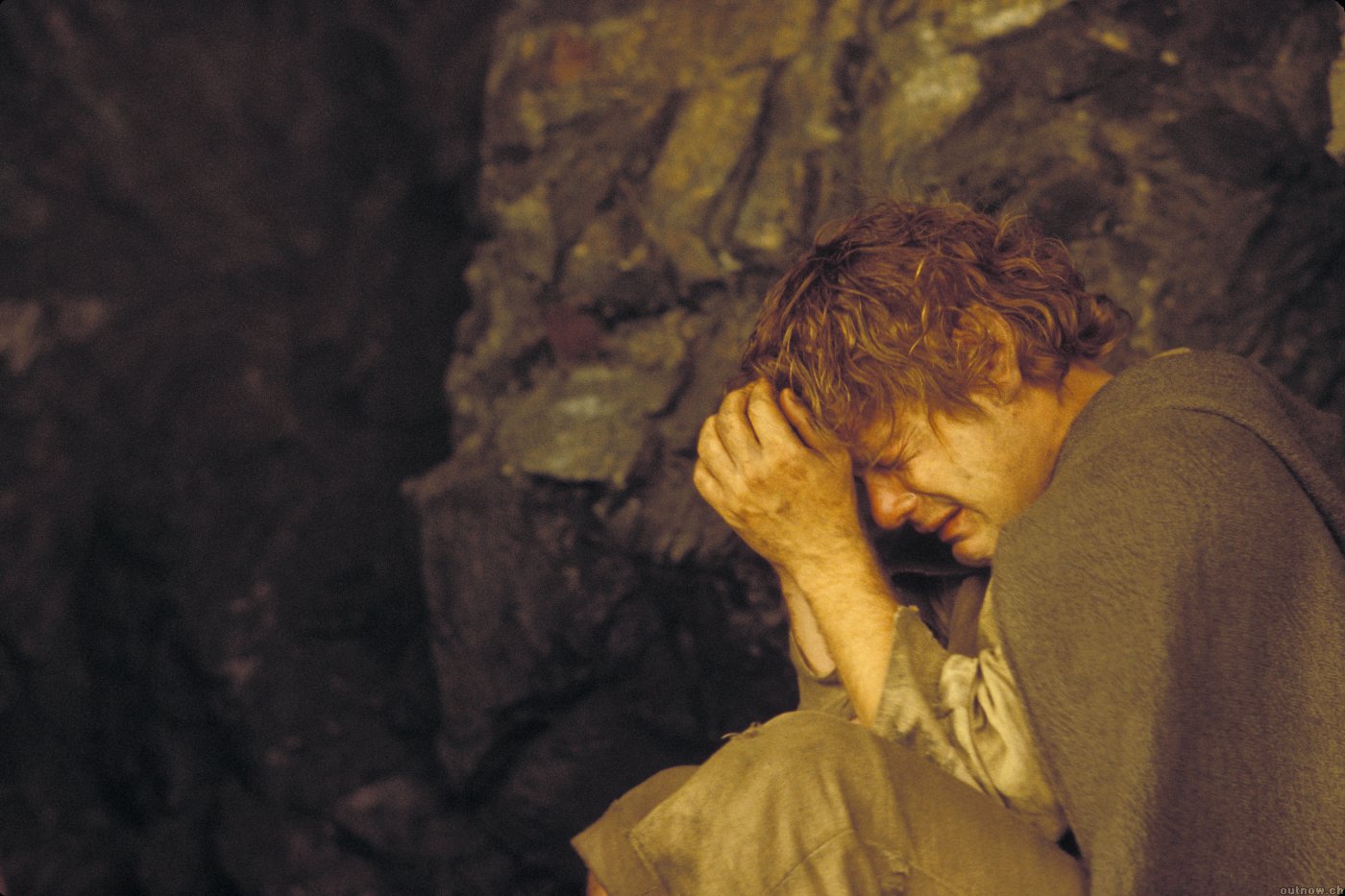
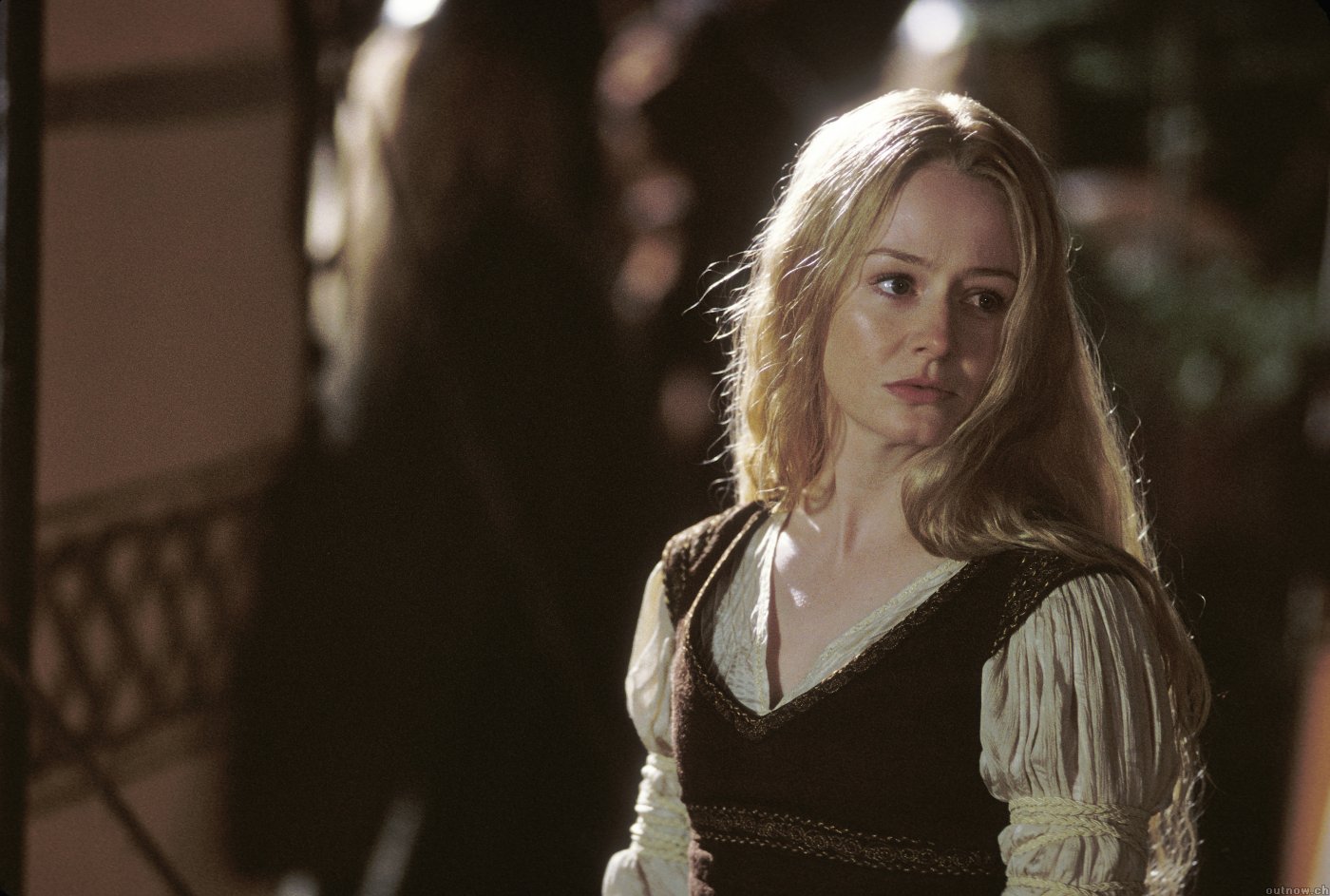
Back in the Shire, Frodo remains troubled by his wounds. He eventually sails west with Bilbo and the departing company; Sam returns to Rosie and their children. [4, 5] The film shows a farewell, not a later scene proving exactly how Frodo’s life there unfolds.
Our interpretation is that the departure releases him from performing recovery for the people he loves. That does not make Sam’s domestic happiness shallow. Sam’s return and Frodo’s leaving can both be honest responses to the same history. Friendship need not require identical futures.
We also resist treating the voyage as evidence that Frodo never belonged at home. The loss hurts precisely because belonging was real. A place can remain beloved while no longer providing everything someone needs. Recognizing that limit can be an act of attention rather than a rejection of the place or its people.
Final Thought
The film leaves us with a demanding version of gratitude: appreciate the saved world without asking its injured rescuer to demonstrate that the price was manageable. Frodo’s achievement survives his need to leave. Sam’s happiness survives his sorrow at the farewell. The ending makes room for both, and that room is part of what victory ought to protect.
Join the conversation
What did you think of the ending? Share your interpretation. Spoilers may appear below.
This product uses the TMDB API but is not endorsed or certified by TMDB.
No comments yet. Start the conversation.