
RECAPRUSH MOVIE GUIDE
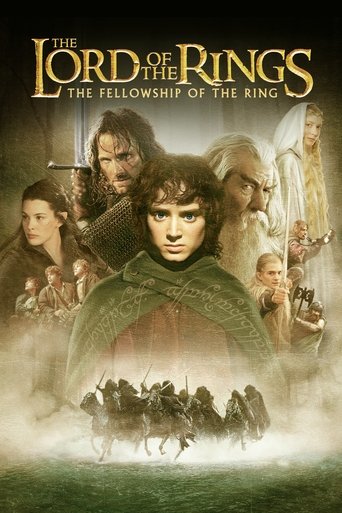
The Lord of the Rings: The Fellowship of the Ring (2001)
Directed by Peter Jackson
RecapRush examines why the Fellowship’s separation does not end its promises: Aragorn’s rescue decision, Boromir’s last act and Frodo and Sam’s reciprocal care.
Overview, poster, and credits from TMDB.
Read and watch our analysis ↓FROM THE RECAPRUSH LIBRARY · ANALYSIS
The Fellowship of the Ring (2001): A Promise Can Survive a Parting
6 min read · Estimated reading time— views
RecapRush Viewpoint
It is tempting to judge a fellowship by whether everyone remains together. Shared purpose becomes a shared route, and separation starts to look like proof that the purpose has failed. The Fellowship of the Ring ends by making that measure inadequate.
Our reading: A promise becomes more serious when keeping it requires surrendering the picture we had of keeping it. The final choices do not restore the original company. They ask its surviving members to decide what they owe one another when the original arrangement is no longer possible.
Ending spoilers follow. This focused analysis concerns Peter Jackson’s released 2001 theatrical film. It does not borrow later outcomes from the sequels or treat the novel’s arrangement of events as the film’s ending.
Quick Facts and Cast
- Official title: The Lord of the Rings: The Fellowship of the Ring (2001).
- Director: Peter Jackson. Screenplay: Fran Walsh, Philippa Boyens and Peter Jackson. Theatrical runtime: 178 minutes. [1, 2]
- US theatrical release: December 19, 2001. [1]
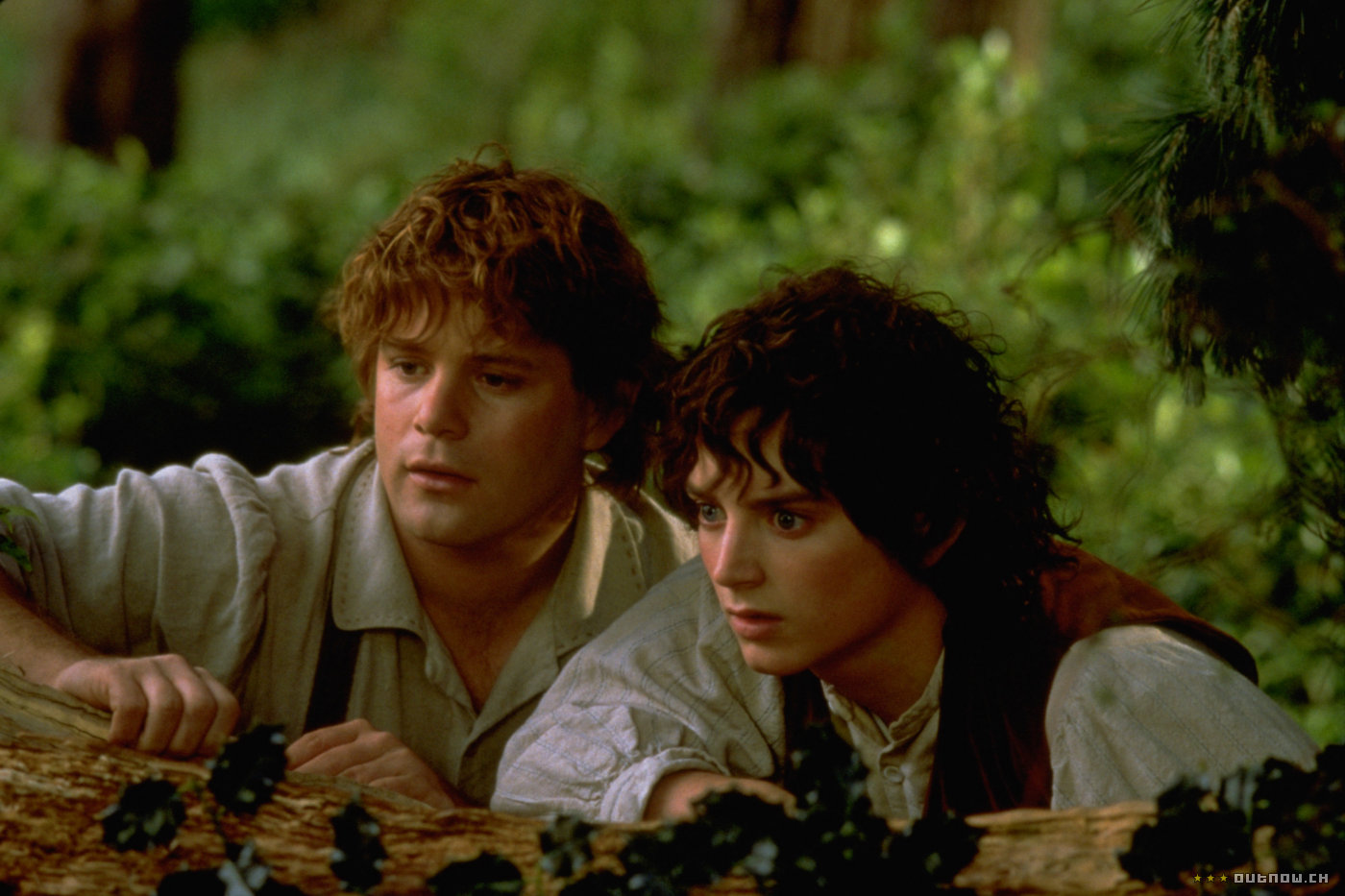
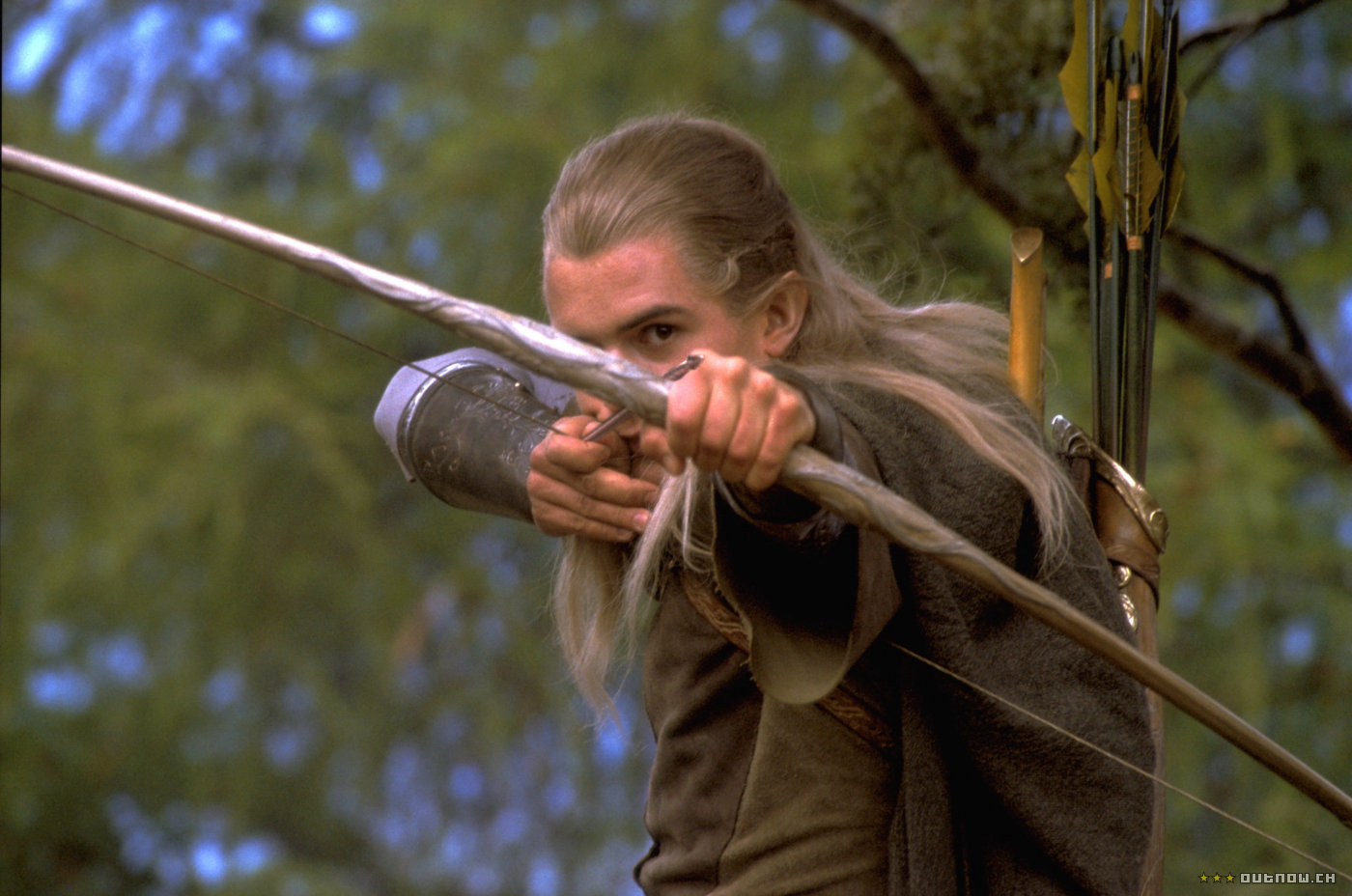
- Central performances: Elijah Wood as Frodo, Sean Astin as Sam, Viggo Mortensen as Aragorn, Sean Bean as Boromir and Ian McKellen as Gandalf. [1]
- Exact identity: IMDb tt0120737; TMDB movie 120. Collection rank #8 follows the fixed November 1, 2026 archive, not a live ranking. [3]
Aragorn Cannot Keep Everyone Beside Him
After Boromir tries to seize the Ring, Frodo decides to continue without the others. By the conclusion, Merry and Pippin have been captured, and Aragorn, Legolas and Gimli turn toward rescuing them rather than following Frodo. [1]
For us, Aragorn’s choice is an argument against a narrow understanding of leadership. A leader might insist that the mission’s most visible object must determine every movement. But people who have joined that mission cannot become disposable once they are no longer travelling toward its central objective.
The rescue is not valuable only if it can later be justified as useful to the Ring’s destruction. Within this film’s ending, Merry and Pippin already matter. Their claim on their companions does not depend on knowing what part they might play in a future victory.
We also read Aragorn’s acceptance of separation as a relinquishment of control. Protecting Frodo cannot mean treating Frodo’s decisions as irrelevant. The fellowship must leave room for the person it claims to protect, even when doing so deprives its strongest fighters of a clear view of the way ahead.
More from RecapRush
 Inside Out 2 (2024) Recap & Ending Explained: Riley Is More Than Her Best Self
 Mutiny (2026) Recap & Ending Explained: Why Cole Reed Becomes a Dead Man on Paper
 Get Out (2017) Movie Recap & Ending Explained: What Is the Sunken Place?
Boromir’s Last Choice Does Not Erase the Earlier One
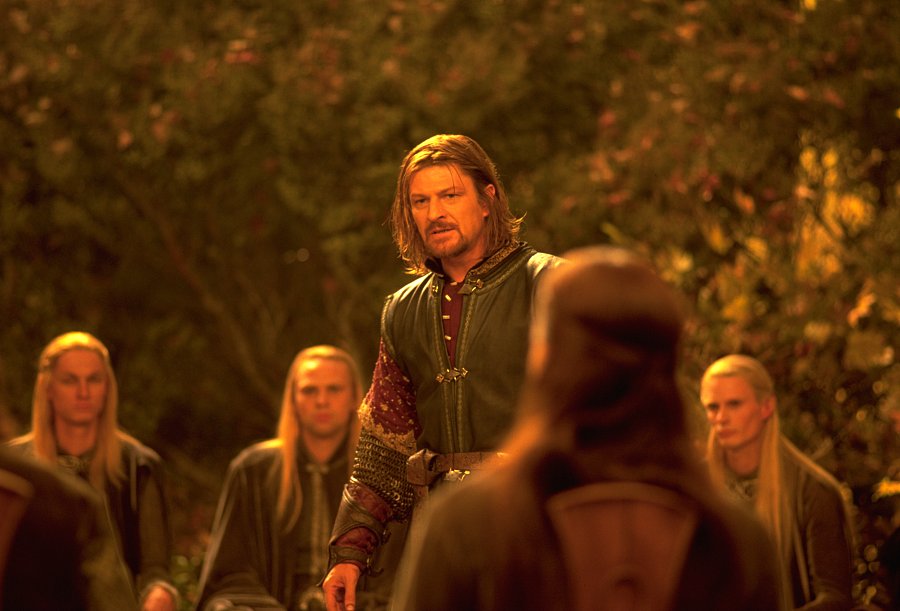
Boromir is fatally wounded while defending Merry and Pippin. [1] That act follows his attempt to take the Ring from Frodo; it does not reveal that the attempt was harmless.
What moves us is the possibility of a meaningful action after a failure that cannot be undone. Boromir cannot return the company to the moment before he frightened Frodo. He can still respond to the people in danger before him. The next choice matters without becoming a device for deleting the previous one.
This makes his courage more difficult to package as a clean recovery. Trust has been damaged. The companions will not resume their earlier journey. Yet the absence of a complete repair is no reason to regard another act of protection as worthless. The film allows consequence and courage to occupy the same life.
Ending Explained: Frodo Needs to Be Rescued Too
Cast and Characters
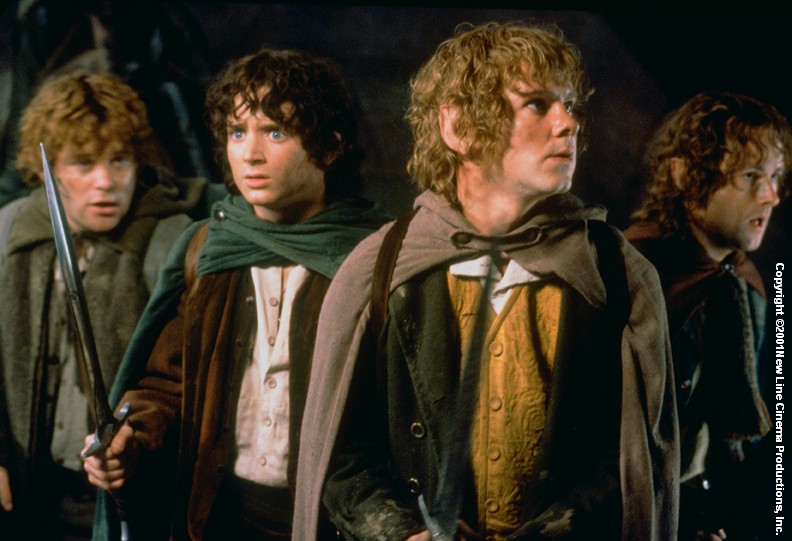
Sam follows Frodo into the river despite being unable to swim, and Frodo pulls him into the boat. They continue together. [1] The scene changes the shape of Frodo’s intended departure without restoring the whole group.
RecapRush interpretation: The rescue makes their dependence reciprocal. Frodo may be carrying the Ring, but that does not make him only a burden being carried by everybody else. He is also capable of reaching for a friend. Sam’s loyalty, in turn, does not make Sam invulnerable.
We do not need to treat the dangerous plunge as sensible conduct to recognize what the scene does emotionally. Frodo’s wish to spare his friends and Sam’s refusal to abandon him are both forms of care, yet they pull in different directions. Their future begins with accepting that neither can decide the meaning of the friendship entirely alone.
The final separation therefore leaves the fellowship unfinished in one sense and active in another. Its members cannot all do the same thing. They can still refuse to let distance turn an obligation into somebody else’s problem.
Final Thought
For us, the ending is not a promise that good companions never part. It is a test of what survives the parting. Aragorn turns toward the captured hobbits; Sam stays with Frodo; Frodo reaches back for Sam. Togetherness changes its form, while the responsibility that gave it meaning continues.
Join the conversation
What did you think of the ending? Share your interpretation. Spoilers may appear below.
This product uses the TMDB API but is not endorsed or certified by TMDB.
No comments yet. Start the conversation.