
RECAPRUSH MOVIE GUIDE
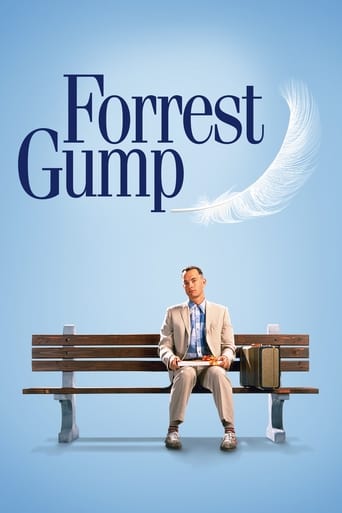
Forrest Gump (1994)
Directed by Robert Zemeckis
RecapRush considers Forrest’s response to fatherhood, Jenny’s loss and the closing school-bus scene, reading care as a commitment that can coexist with uncertainty.
Overview, poster, and credits from TMDB.
Read and watch our analysis ↓FROM THE RECAPRUSH LIBRARY · ANALYSIS
Forrest Gump (1994): The Courage to Wait at the Bus Stop
6 min read · Estimated reading time— views
RecapRush Viewpoint
A remarkable life can still end a day with an ordinary responsibility. For us, the most moving idea in Forrest Gump is that the ordinary responsibility deserves the same attention as the remarkable life. After all the movement, coincidence and public recognition, being there for one person remains enough to organize a morning.
Our reading: The ending turns care into a practice that does not depend on understanding everything. Forrest cannot explain away loss or guarantee his child’s future. He can make himself available. That is a modest form of agency, but the film gives it weight beyond the spectacle of his achievements.
Ending spoilers follow. This analysis concerns Robert Zemeckis’s released 1994 film. It does not borrow events from Winston Groom’s novel or its sequel.
Quick Facts and Cast
- Official title: Forrest Gump (1994).
- Director: Robert Zemeckis. Screenplay: Eric Roth, based on Winston Groom’s novel. Runtime: 142 minutes. [1, 2]
- US theatrical release: July 6, 1994. This is distinct from the June 23 Los Angeles premiere date. [1, 3]
- Principal cast: Tom Hanks as Forrest, Robin Wright as Jenny, Gary Sinise as Lieutenant Dan, Sally Field as Mrs. Gump and Mykelti Williamson as Bubba. [2]
- Exact identity: IMDb tt0109830; TMDB movie 13. Collection rank #12 belongs to the fixed November 1, 2026 archive, not a live chart. [3, 4]
A Question That Reveals an Old Fear
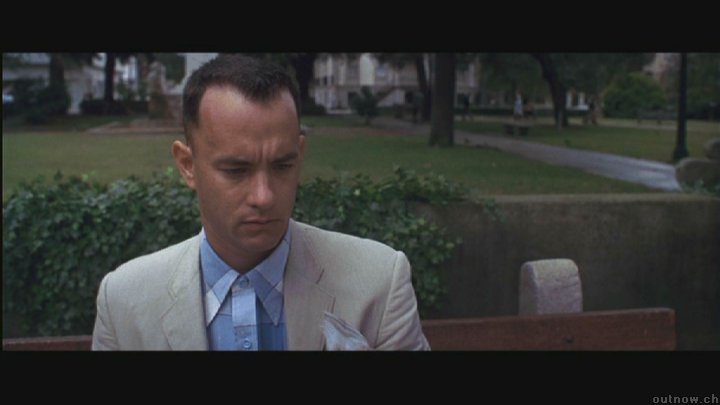
When Jenny introduces Forrest to their son, he asks whether the boy is smart. Jenny reassures him. [1] We find the hesitation more revealing than an effortless display of fatherly confidence would have been.
Forrest’s fear suggests that the judgments he has lived with have not simply bounced off him. A person can move through the world with unusual directness and still understand that the world can be cruel. His anxiety for the child brings that knowledge into view without turning it into a speech about himself.
We do not read the scene as establishing intelligence as a measure of a child’s worth. Its force comes from the father’s vulnerability: another person now matters to him in a way that makes the future frightening. Reassurance settles the immediate question, but parenthood cannot supply an answer to every danger ahead. He has to begin without that kind of certainty.
Jenny Is More Than the End of a Search
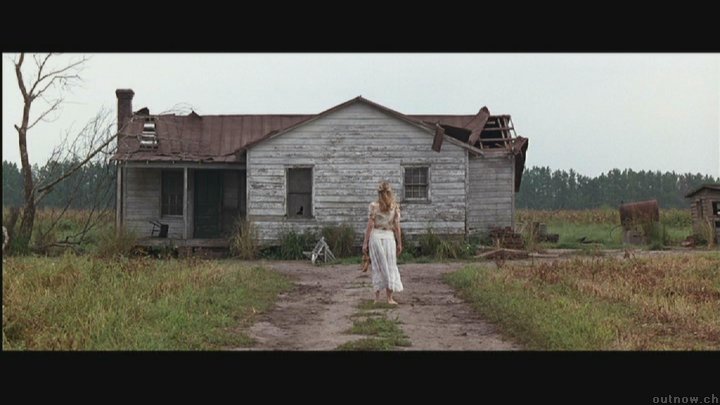
Jenny tells Forrest that she is seriously ill. They marry, and she later dies. [1] A reunion therefore does not complete a bargain in which devotion earns permanent happiness.
More from RecapRush
 The Avengers (2012) Review: Why Conflicting Personalities Make Marvel's Team Work
 MINDHUNTER (2017–2019) Recap & Ending Explained: Why Closing Atlanta Solves Nothing
 The Lion King (2019) Recap & Ending Explained: Simba Must Return Before He Can Be Cleared
RecapRush interpretation: The loss asks us to separate the value of love from the duration of its reward. Forrest’s care does not become pointless because it cannot prevent death. Equally, caring for someone should not be mistaken for possessing a complete account of their life.
There is a limit here that we think matters. The story arrives mainly through Forrest, and Jenny can consequently appear as someone who comes and goes within his experience. We prefer to keep that limit visible rather than make her suffering a lesson she supposedly needed to learn. Our access to a person through someone who loves them is still partial access.
That makes humility a necessary companion to tenderness. We can recognize Forrest’s attachment without claiming that it explains all of Jenny’s choices. The feeling becomes more credible when it does not demand that another life be reduced to an illustration of its own goodness.
Ending Explained: Letting the Next Life Leave
Cast and Characters
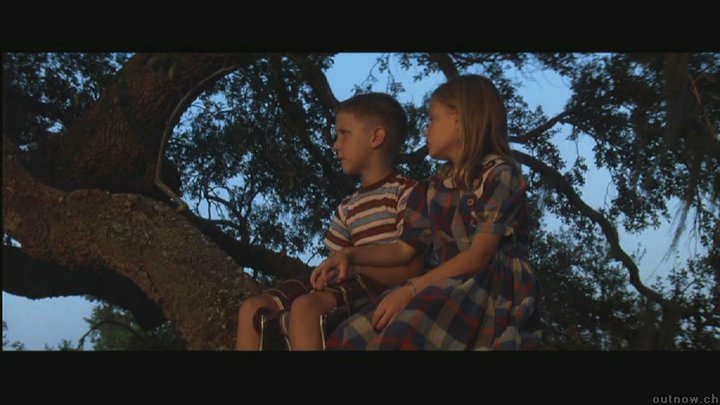
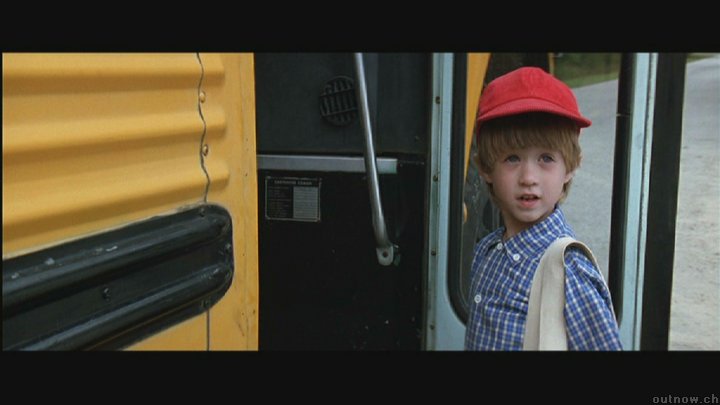
The closing movement shows Forrest sending his son to school on the bus associated with his own childhood meeting with Jenny. [1] The repetition gives familiar ground a different task. He is now the parent who stays behind.
For us, this is an ending about the scale of attention. The world does not become manageable, and grief does not vanish. Yet a child needs to get to school. Meeting that need is an action Forrest can take in a life that still contains things he cannot solve.
There is also a small act of trust in the departure. Care prepares someone for an experience it cannot entirely supervise. The father’s presence matters, but so does his willingness to let the child go beyond it. We read the bus stop as a place where protection has to coexist with uncertainty.
This is why the quiet finish stays with us. It does not ask everyday fatherhood to compete with the extraordinary episodes of the story. It gives that daily work its own importance. Forrest has a reason to remain attentive after the most painful event has already happened.
Final Thought
The ending offers a future that can be cared for without being controlled. Forrest cannot promise his son a painless world. He can be the person who helps him enter it. For RecapRush, that promise of presence is the film’s most persuasive answer to uncertainty.
Join the conversation
What did you think of the ending? Share your interpretation. Spoilers may appear below.
This product uses the TMDB API but is not endorsed or certified by TMDB.
No comments yet. Start the conversation.