
RECAPRUSH MOVIE GUIDE
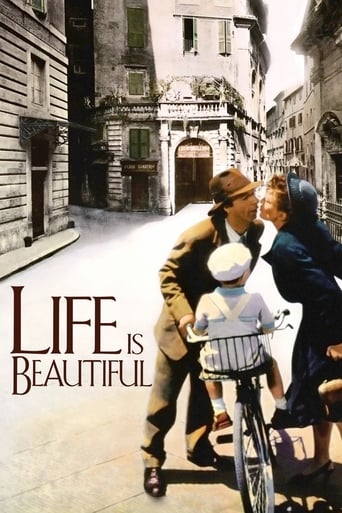
Life Is Beautiful (1997)
Directed by Roberto Benigni
RecapRush examines the difference between the child Giosuè’s understanding of Guido’s game and the adult son’s remembrance of his father’s sacrifice.
Overview, poster, and credits from TMDB.
Read and watch our analysis ↓FROM THE RECAPRUSH LIBRARY · ANALYSIS
Life Is Beautiful (1997): The Game Protects the Boy; the Story Remembers the Father
5 min read · Estimated reading time— views
RecapRush viewpoint · Ending spoilers. Guido’s game gives his son a way to endure what he cannot yet understand. But Life Is Beautiful does not end by leaving the audience inside that game. The adult son’s narration remembers a sacrifice the child could not recognize. Our reading rests on that difference: protection can postpone an understanding without requiring a lifetime of forgetting.
In this article
- [Quick facts](#quick-facts)
- [A performance with two audiences](#a-performance-with-two-audiences)
- [The family beyond the game](#the-family-beyond-the-game)
- [Ending explained: the tank cannot bring Guido back](#ending-explained-the-tank-cannot-bring-guido-back)
- [Final thoughts](#final-thoughts)
- [References](#references)
- [Official trailer](#official-trailer)
Quick facts
- Film: Life Is Beautiful / La vita è bella (1997), Italy; Italian-language feature.
- Director: Roberto Benigni. Screenplay: Roberto Benigni and Vincenzo Cerami.
- Italian release listed by Cineuropa: December 20, 1997. Runtime: 116 minutes in Cineuropa and the University of Delaware’s video catalog.
- Cast: Roberto Benigni — Guido; Nicoletta Braschi — Dora; Giorgio Cantarini — Giosuè; Giustino Durano — Uncle Eliseo.
- Identity: TMDB 637 · IMDb tt0118799. The archive uses the Italian title; this article concerns that exact 1997 film.
A performance with two audiences
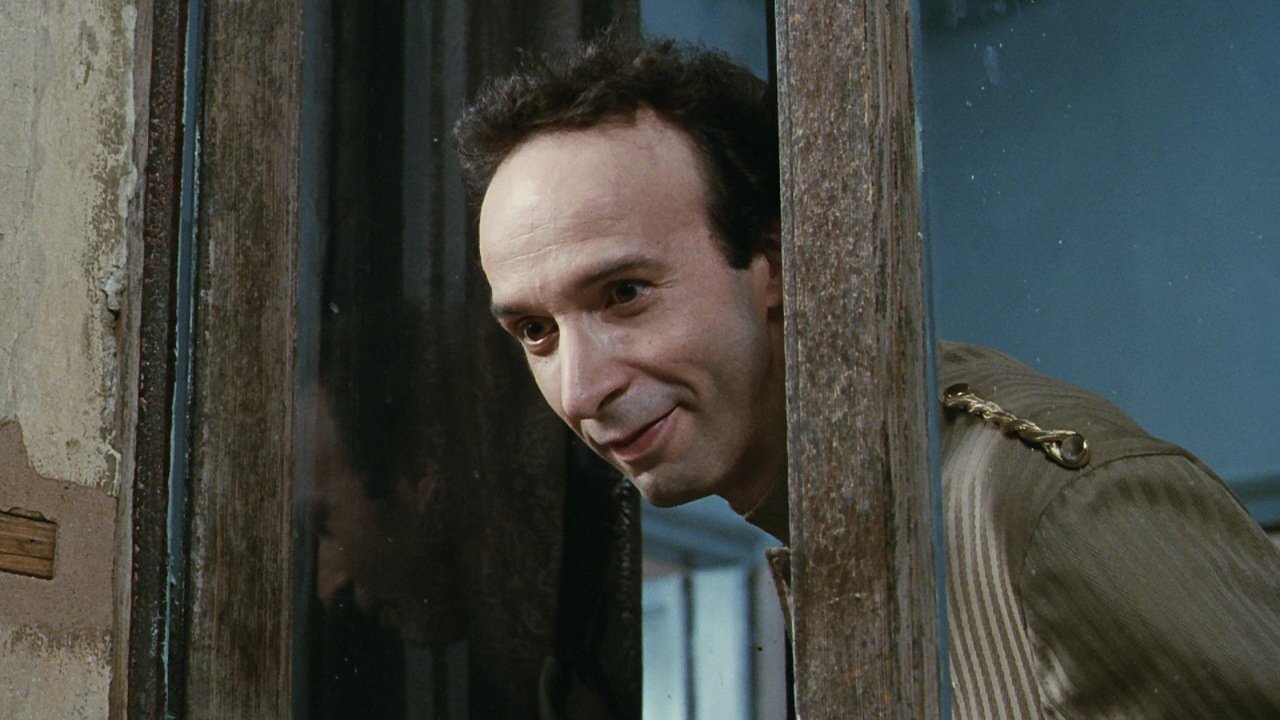
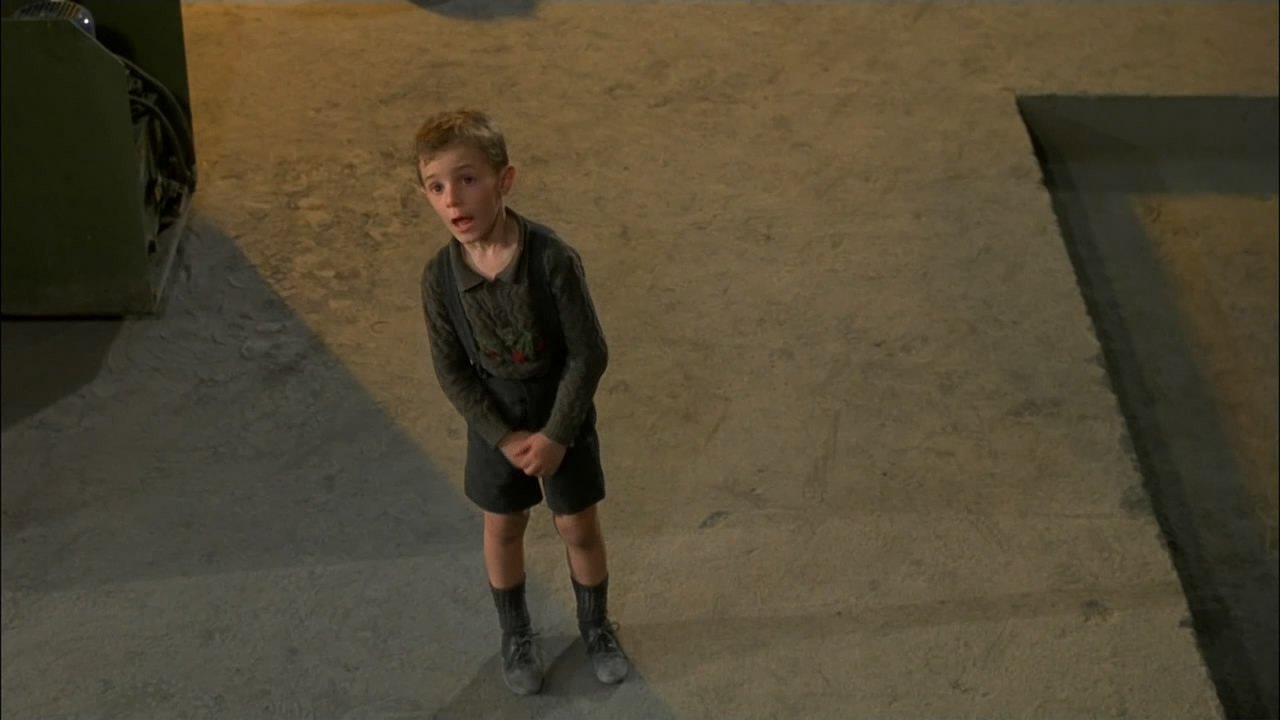
Verified context: In a Nazi concentration camp, Guido tells Giosuè they are competing in a game whose prize is a tank. Near the end, he hides his son and continues his comic performance as a soldier leads him away. Guido is killed. After liberation, Giosuè sees an American tank, believes they have won, and is reunited with Dora. The adult Giosuè’s narration identifies his father’s sacrifice.
Our interpretation: The child and the viewer receive the same gesture differently. Guido’s clowning can reassure his son while making the viewer more aware of the danger he is concealing. That divided effect is central to the film’s emotion. We can recognize the effort required to sustain the performance precisely because we are not being asked to accept its explanation of the camp.
We find Guido’s care most persuasive when it remains an action directed toward one frightened child. He gives Giosuè instructions he can follow and a reason to keep following them. That is smaller and more concrete than defeating terror with optimism. The invented family story should not become a claim that the Holocaust could be overcome through the right attitude.
More from RecapRush
 Pulp Fiction (1994): Jules Has to Do More Than Survive
 One Flew Over the Cuckoo’s Nest (1975): The Attempt Bromden Can Finish
 Obsession (2026) Recap & Ending Explained: Why Nikki’s Freedom Arrives Too Late
The family beyond the game
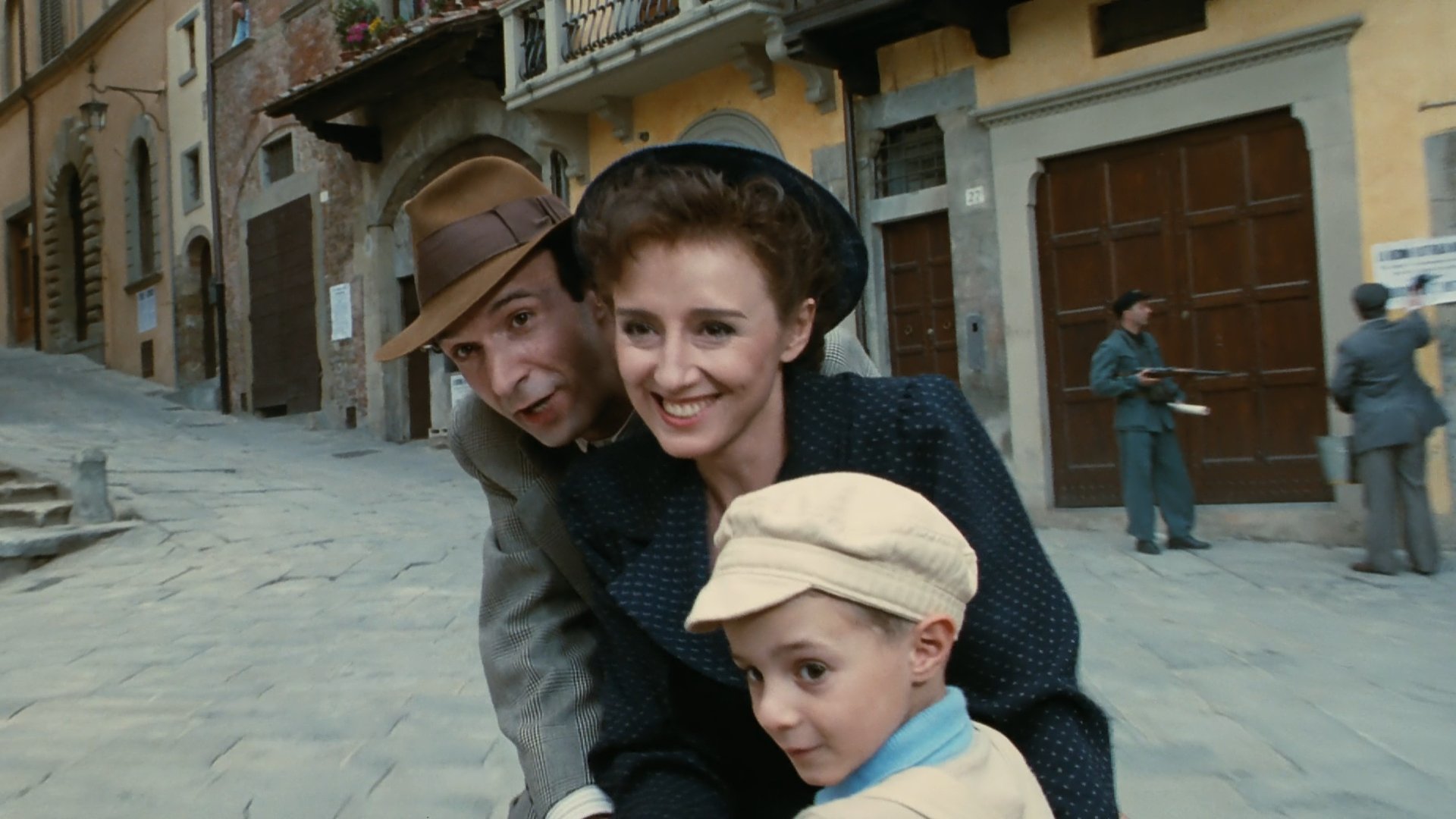
The early image of Guido, Dora and their child together matters because it gives the later survival story something particular to lose. Their lives are not merely an introduction to the camp plot. The family has a shared world, and the later separation damages that world even when Guido manages to preserve parts of its familiar playfulness for Giosuè.
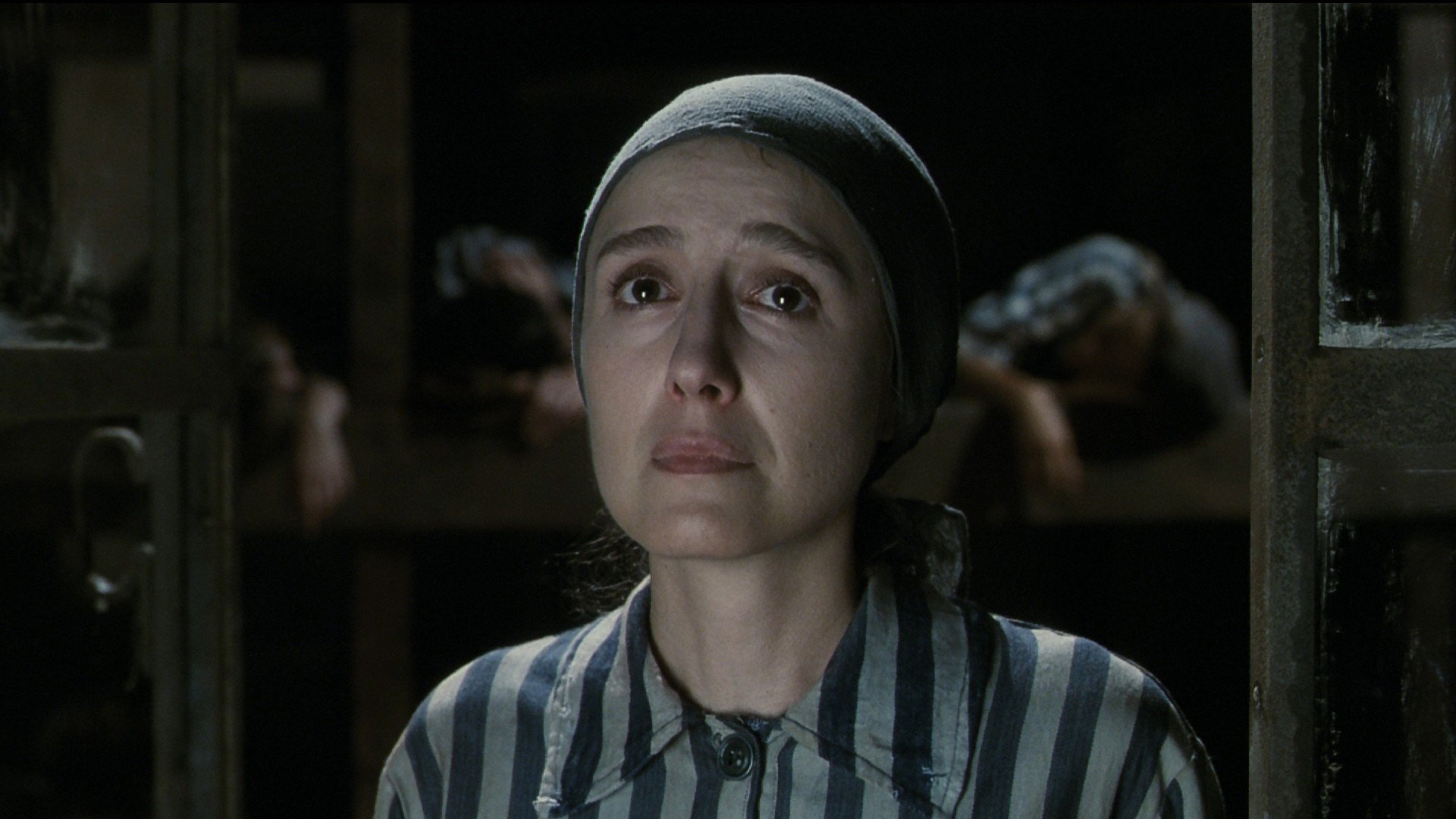
Dora also matters to our reading of the ending. The child’s return to his mother offers a relationship beyond his father’s performance: someone with whom life can continue after the game has ceased to organize it. Their reunion is an achievement in its own right, yet it leaves a person missing. Neither the reunion nor the boy’s joy can restore the original family image.
This is why we resist treating the ending as proof that Guido’s illusion has permanently insulated his son from loss. The adult voice tells a different kind of story from the boy’s delighted explanation. He can acknowledge what his father did without continuing to believe the fiction his father needed him to believe then.
Ending explained: the tank cannot bring Guido back
Cast and Characters
The tank’s arrival appears to fulfill Guido’s promise from the child’s point of view. For the audience, however, the coincidence cannot change the cause of liberation or undo Guido’s death. The father’s imagined rules have helped his son navigate danger inside the film; those rules never governed the forces inflicting it.
For RecapRush, that limit makes the closing narration essential. Memory gives the adult Giosuè a way to honor the protection without erasing its cost. He inherits more than an entertaining explanation of frightening events. His telling makes room for the person who carried knowledge he was too young to bear.
There is a difficult generosity in that structure. The child is not required to understand everything immediately for his survival to matter. The adult, in turn, need not preserve his childhood misunderstanding as the price of gratitude. Love can change its form as understanding grows: first an instruction to stay hidden, later an act of remembrance that names the loss.
Final thoughts
Life Is Beautiful moves us most when we hold the boy’s relief and the father’s death together. Guido’s performance has a purpose, but it also has a limit. The surviving son’s story can cross that limit, remembering the truth that the game temporarily kept from him. For us, the ending’s tenderness depends on that movement toward knowledge.
Join the conversation
What did you think of the ending? Share your interpretation. Spoilers may appear below.
This product uses the TMDB API but is not endorsed or certified by TMDB.
No comments yet. Start the conversation.