
RECAPRUSH MOVIE GUIDE
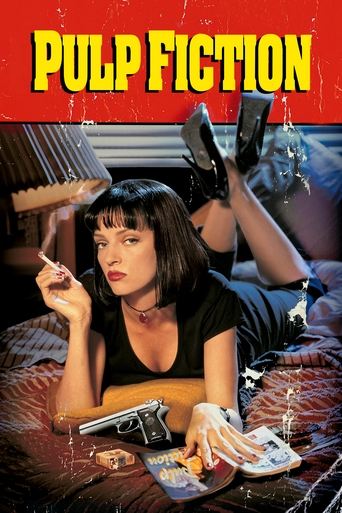
Pulp Fiction (1994)
Directed by Quentin Tarantino
RecapRush examines Jules’s response to survival, his decision in the diner and the nonchronological ending, asking what turns a second chance into a change of conduct.
Overview, poster, and credits from TMDB.
Read and watch our analysis ↓FROM THE RECAPRUSH LIBRARY · ANALYSIS
Pulp Fiction (1994): Jules Has to Do More Than Survive
6 min read · Estimated reading time— views
RecapRush Viewpoint
Surviving a disaster can become an excuse to feel untouchable. It can also make an old way of living impossible to continue. Pulp Fiction puts those possibilities beside each other without requiring its audience to solve the universe first.
Our reading: The important question about Jules’s second chance is what he does with it. A miraculous escape would mean little as a moral event if it merely made him more confident about hurting the next person. The diner gives his new interpretation of his life something harder than an argument: an immediate test.
Ending spoilers follow. This is a focused analysis of Quentin Tarantino’s released 1994 film, with only enough plot context to examine Jules’s choice and the significance of the final scene.
Quick Facts and Cast
- Director and screenplay: Quentin Tarantino. Story credit: Quentin Tarantino and Roger Avary. [1]
- US theatrical release: October 14, 1994. Runtime: 154 minutes. [1, 2]
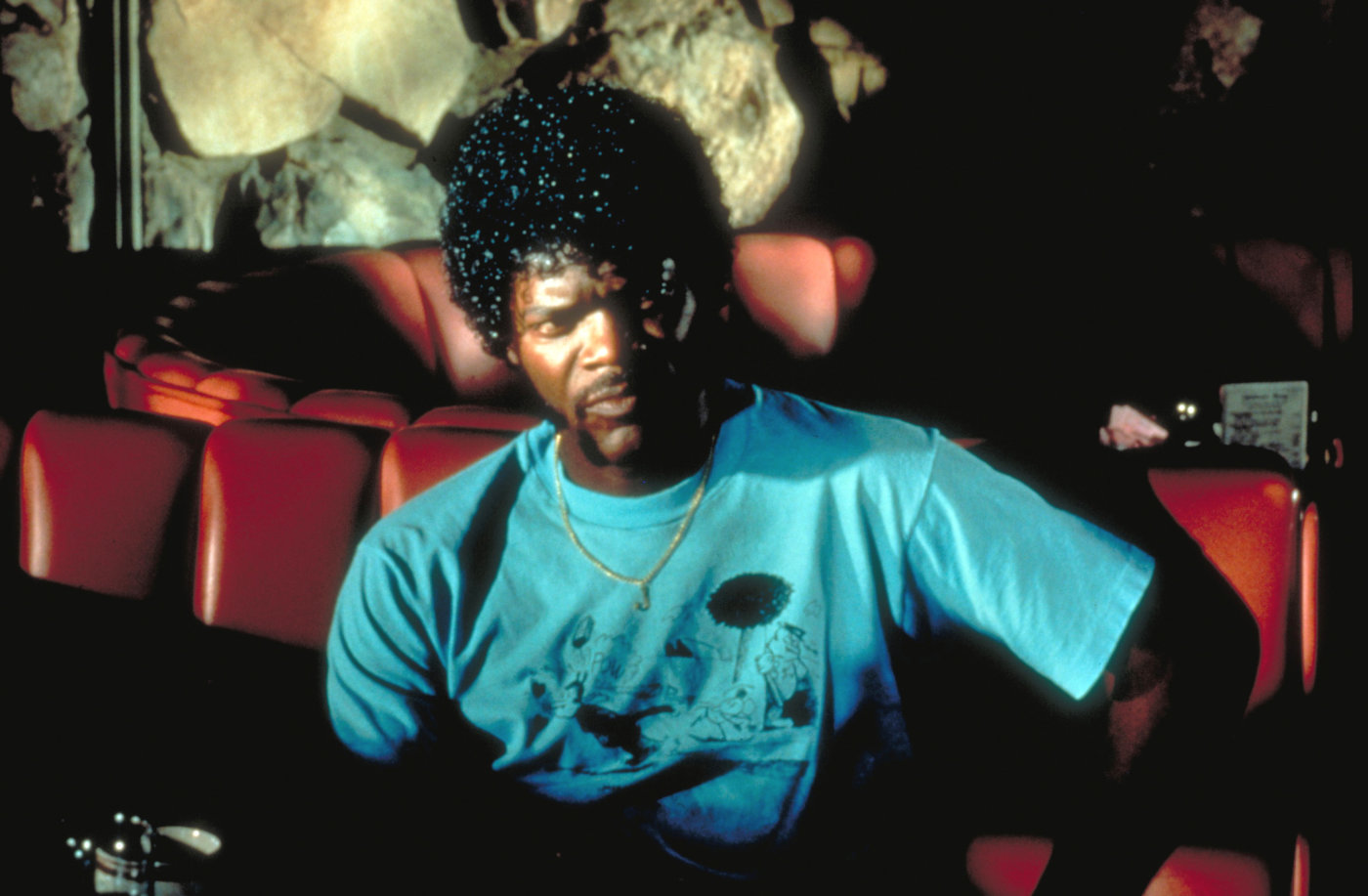
- Central cast: Samuel L. Jackson as Jules Winnfield, John Travolta as Vincent Vega, Uma Thurman as Mia Wallace, Bruce Willis as Butch Coolidge, Ving Rhames as Marsellus Wallace, Tim Roth as Pumpkin and Amanda Plummer as Honey Bunny. [1, 3]
- Exact identity: IMDb tt0110912; TMDB movie 680. The collection’s #9 position comes from the fixed November 1, 2026 archive, not a live chart. [4]
An Explanation Can Become Another Alibi
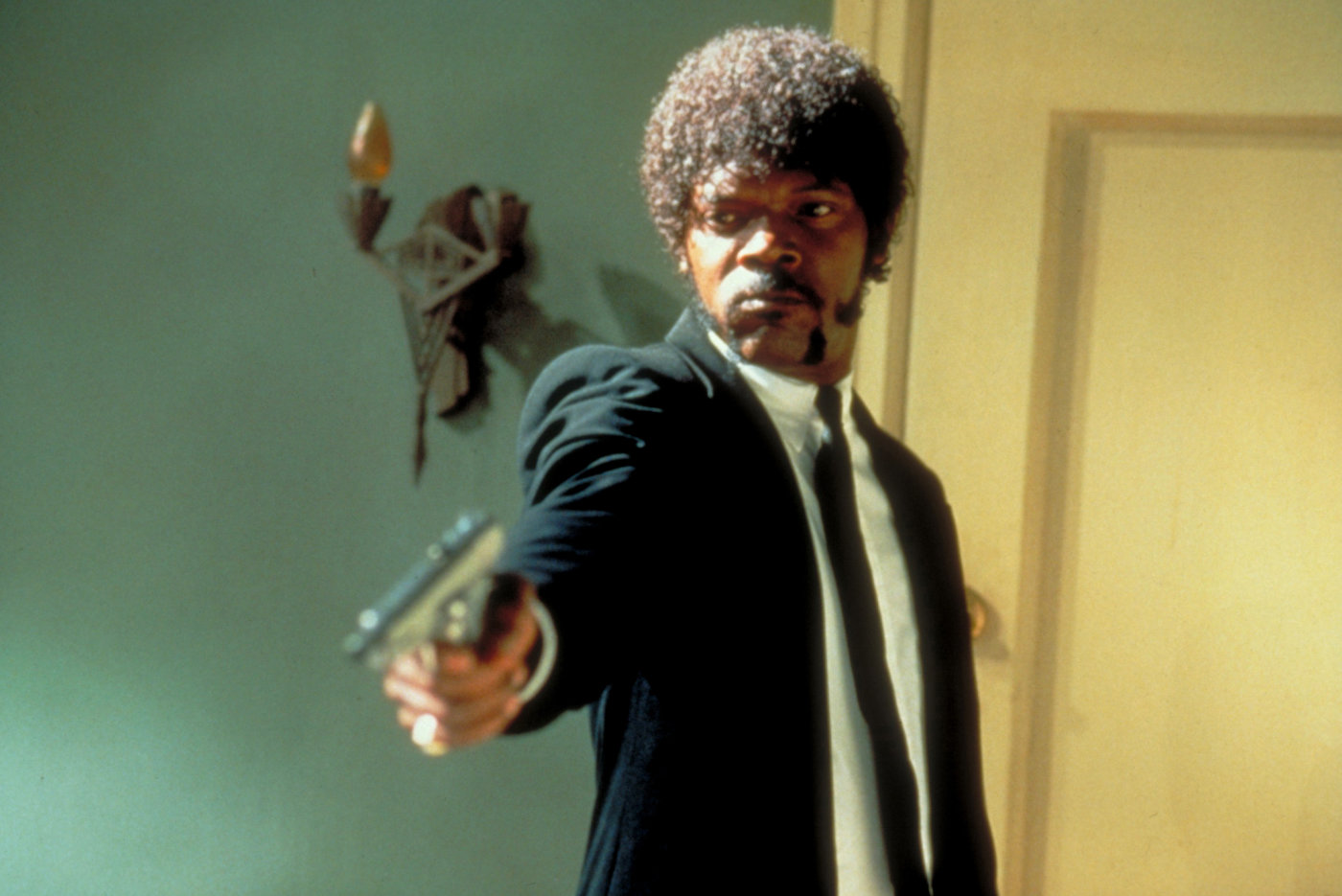
After a gunman fires at Jules and Vincent without hitting them, Jules interprets their survival as a miracle and announces that he intends to leave his criminal life. [1] We read his response as a decision about responsibility, rather than proof that the film has supplied an unambiguous account of divine intervention.
That distinction matters because being spared does not establish that someone deserved to be spared. If Jules treated survival as an endorsement of his existing conduct, the experience would strengthen the very habits it might interrupt. He could make the escape into another flattering story about himself.
For us, the more interesting possibility is that he refuses that comfort. His account of what happened makes a demand on him. He does not have to convince Vincent, or us, that he has correctly diagnosed the cause of the missed shots before accepting responsibility for what he does next.
This is where the film’s talk becomes consequential. An impressive explanation can protect a person from scrutiny just as easily as it can expose him to it. We judge Jules’s interpretation by whether it changes his conduct when changing it becomes inconvenient.
More from RecapRush
 Barbie (2023) Recap & Ending Explained: Becoming a Person Means Leaving the Perfect Role
 The Empire Strikes Back (1980): Luke Has to Let Himself Be Rescued
 The Walking Dead: Daryl Dixon Season 2 Recap & Ending Explained: Why Carol Jumps From the Plane
Mercy Begins While the Old Skills Still Work
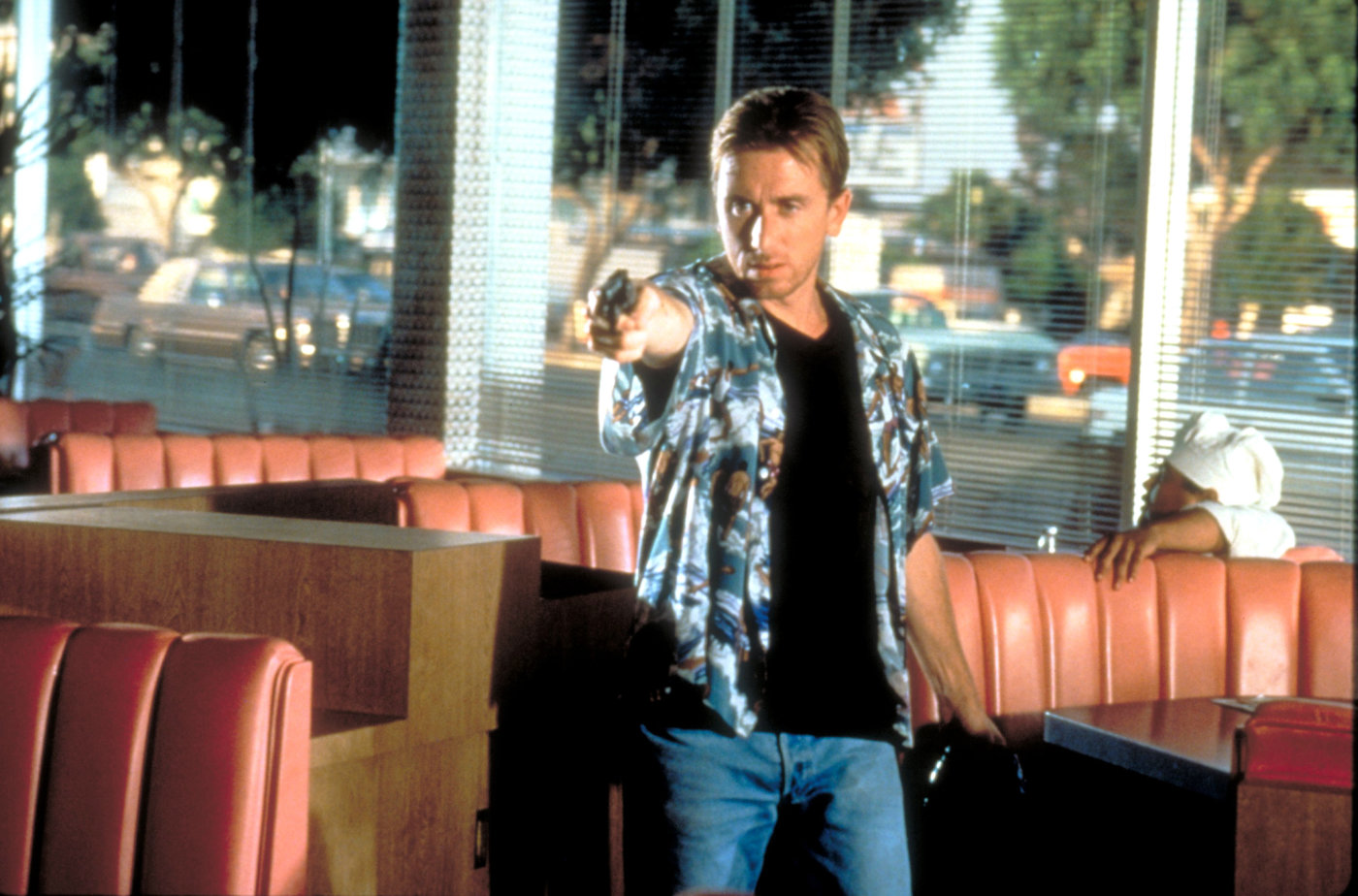
The diner robbery brings Jules into a standoff with Pumpkin and Honey Bunny. He gives Pumpkin money and lets the pair leave alive. [1] He remains armed and capable of dominating the encounter; the scene does not make restraint easy by removing his capacity for violence.
RecapRush interpretation: That is why the choice has weight. Jules cannot claim that he has already become an entirely different person who would never feel the pull of his old methods. The tools, confidence and habits are still available. The change begins with declining to let them decide the outcome automatically.
We also find the money significant as a small, concrete loss. A declaration of transformation can feel grand while costing nothing. Here, Jules allows the resolution to be less personally satisfying than a display of superiority might be. He accepts an outcome that does not require the other man’s destruction to prove his own control.
This does not make his earlier killings disappear. Nor does one act certify a future we have not seen. We value the scene as a beginning that must be practiced, rather than a certificate of permanent redemption.
Ending Explained: The Last Scene Is Not the Latest Event
Cast and Characters
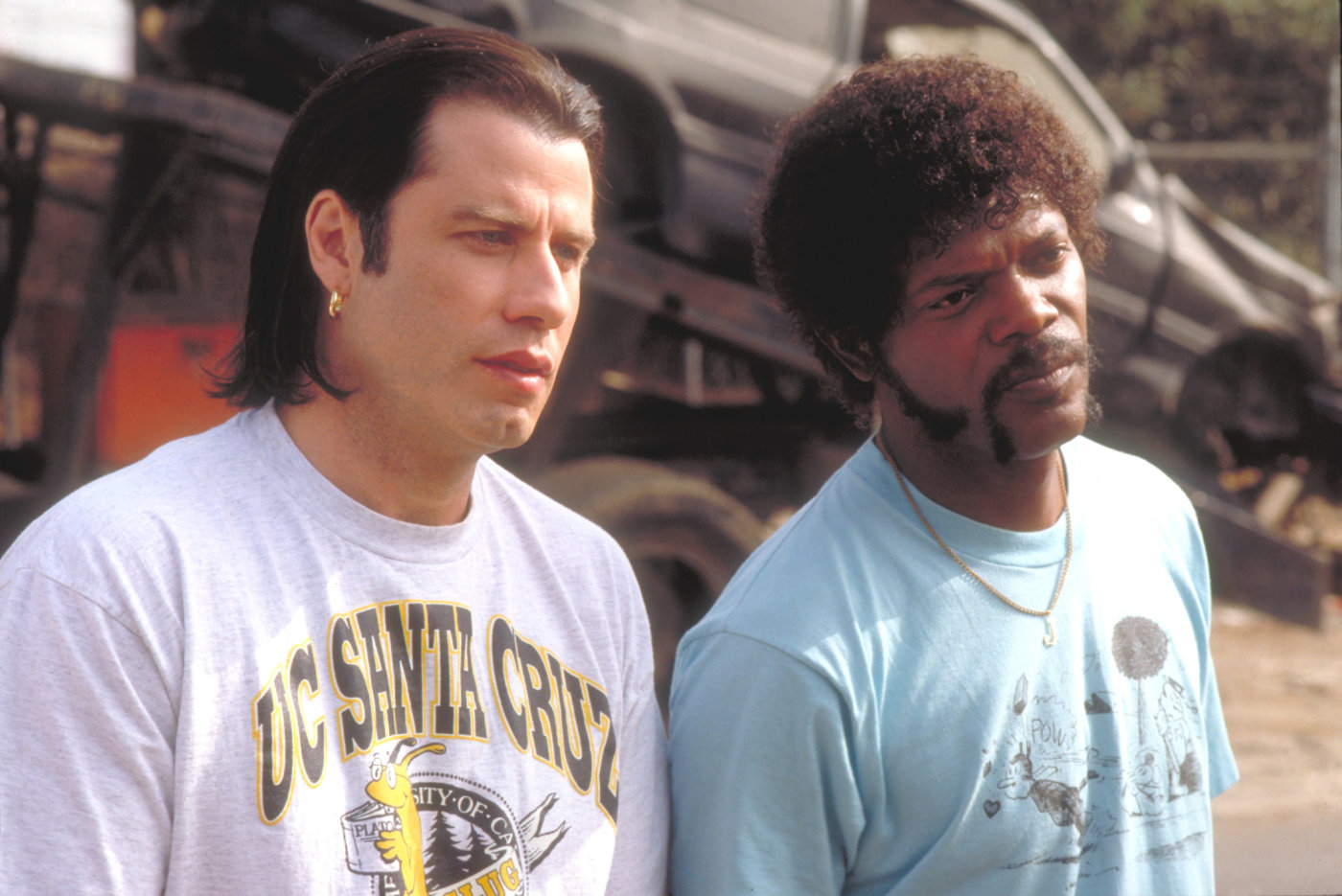
The diner sequence occurs before Vincent’s later death at Butch’s apartment, which the film has already shown. Ending with the two hitmen walking out together does not reverse that death or reveal a resurrection. [1]
For us, this arrangement changes what an ending can emphasize. The film could leave its final weight on the consequences awaiting Vincent. Instead, it returns to a moment in which a choice remains available. Knowledge of a later death does not make an earlier decision meaningless.
We resist turning that contrast into a neat rule that the universe rewards Jules and punishes Vincent. The film does not show the rest of Jules’s life. Its final movement offers a more limited, and more useful, claim: a person can interrupt his own behavior without first obtaining a guarantee about how the world will respond.
Final Thought
Jules’s second chance matters to us because he makes it somebody else’s chance too. He cannot undo the life behind him, and the film does not promise a safe one ahead. He can let this encounter end differently. The final scene gives that modest, difficult action the last word.
Join the conversation
What did you think of the ending? Share your interpretation. Spoilers may appear below.
This product uses the TMDB API but is not endorsed or certified by TMDB.
No comments yet. Start the conversation.