
RECAPRUSH CAST PROFILE
Hugo Weaving
Hugo Wallace Weaving AO (born 4 April 1960) is an English actor. Born in Colonial Nigeria to English parents, he has resided in Australia for the entirety of his career. He is the recipient of six Australian Academy of Cinema and Television Arts Awards (AACTA) and has also been recognised as an Honorary Officer of the Order of Australia. Weaving landed his first major role as English cricket captain Douglas Jardine on the Australian television series Bodyline (1984). Continuing to act in Australia, he rose to prominence with his appearances in the films Proof (1991) and The Adventures of Priscilla, Queen of the Desert (1994), winning his first AACTA Award for Best Actor in a Leading Role with the former. By the turn of the millennium, Weaving achieved international recognition through appearances in mainstream American productions. His most notable film roles include Agent Smith in the first three The Matrix films (1999–2003), Elrond in The Lord of the Rings (2001–2003) and The Hobbit (2012–2014) trilogies, the title character in V for Vendetta (2005), and Johann Schmidt / Red Skull in the Marvel Cinematic Universe (MCU) film Captain America: The First Avenger (2011). In addition to his live action appearances, Weaving has had several voice over roles, including in the films Babe (1995), Happy Feet (2006) and Happy Feet Two (2011), and the Transformers series as Megatron (2007–2011). He also reprised his roles of Agent Smith and Elrond in Matrix and Lord of the Rings video game adaptations.
Published on RecapRush
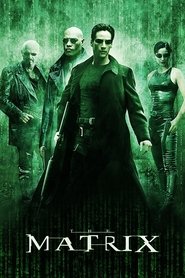 The Matrix1999as Agent SmithOur takeThe order matters. If the rescue only followed certainty, it could look like the routine execution of an assigned role. Here, Neo has to decide what another person is worth while his own status remains unresolved.
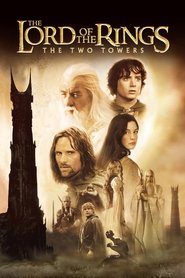 The Lord of the Rings: The Two Towers2002as ElrondOur takeThis arrangement protects hope from becoming a promise of safety. A successful battle cannot certify every relationship, and a reassuring conversation cannot remove every danger. The characters have reasons to go on; they have not obtained control over what comes next.
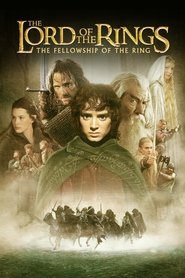 The Lord of the Rings: The Fellowship of the Ring2001as ElrondOur takeThe rescue makes their dependence reciprocal. Frodo may be carrying the Ring, but that does not make him only a burden being carried by everybody else. He is also capable of reaching for a friend. Sam’s loyalty, in turn, does not make Sam invulnerable.
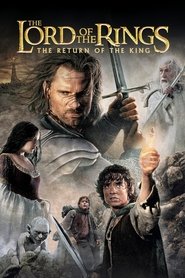 The Lord of the Rings: The Return of the King2003as ElrondOur takeA coronation can mark a change in government. It cannot declare the end of every person’s suffering. The temptation is to let a shared celebration establish the emotional schedule for everyone who helped make it possible. Frodo’s ending resists that pressure.
Profile and filmography data from TMDB. This product uses the TMDB API but is not endorsed or certified by TMDB.