
RECAPRUSH MOVIE GUIDE
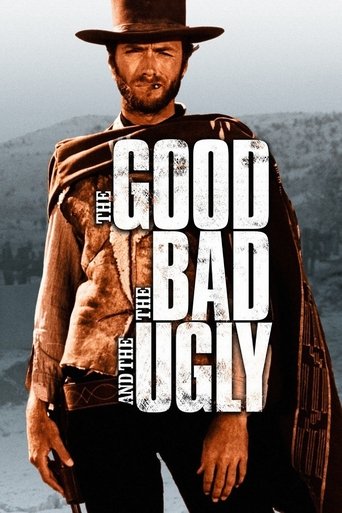
The Good, the Bad and the Ugly (1966)
Directed by Sergio Leone
RecapRush examines Blondie’s control of information, Tuco’s dependence and the uneasy mixture of mercy and humiliation in the cemetery ending.
Overview, poster, and credits from TMDB.
Read and watch our analysis ↓FROM THE RECAPRUSH LIBRARY · ANALYSIS
The Good, the Bad and the Ugly (1966): Mercy on Blondie’s Terms
6 min read · Estimated reading time— views
RecapRush Viewpoint
Being spared can leave someone grateful, furious or both. The difference depends partly on whether the person holding power allows the survivor any dignity. Sergio Leone’s Western makes that discomfort hard to dismiss, even when its most composed gunslinger gets the last word.
Our reading: Blondie’s advantage is his ability to control what others know and when they learn it. His restraint matters, but it does not put him outside the struggle for dominance. The ending lets us enjoy his ingenuity while asking what kind of relationship remains possible when one person insists on directing every exit.
Ending spoilers follow. This is a focused interpretation of the released 1966 film, not a retelling of the entire treasure hunt. Different release versions have different runtimes; the argument concerns their shared central ending.
Quick Facts and Cast
- English title: The Good, the Bad and the Ugly. Original Italian title: Il buono, il brutto, il cattivo.
- Director: Sergio Leone. Score: Ennio Morricone. Genre: Western. [1, 2]
- Release: December 23, 1966 in Italy; December 29, 1967 in the United States. The original film therefore belongs to 1966, despite later territorial dates. [3]
- Runtime note: The Academy lists 161 minutes; AFI Silver’s later screening listing describes a 179-minute presentation. These are version differences, not different films. [1, 2]
- Principal cast: Clint Eastwood as Blondie, Eli Wallach as Tuco, Lee Van Cleef as Angel Eyes. [1, 2]
- Exact identity: IMDb tt0060196; TMDB movie 429. Collection rank #11 is from the fixed November 1, 2026 archive, not a live chart. [3]
Needing Someone Is a Fragile Kind of Partnership
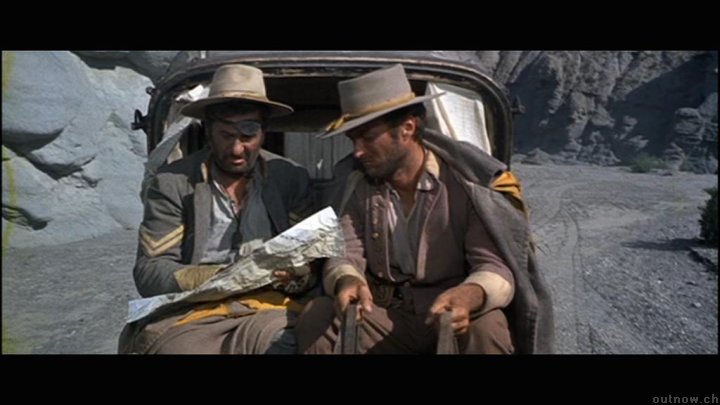
Blondie and Tuco each hold part of the information needed to find buried gold. Their cooperation depends on that divided knowledge. [4] The arrangement gives each a reason to preserve the other without requiring either to become trustworthy.
We find this a sharper account of dependence than a simple opposition between friendship and betrayal. A person can understand another’s usefulness perfectly and still fail to recognize an obligation to them. Cooperation then lasts only as long as the calculation does. Every change in information becomes a potential change in who gets to give orders.
Tuco makes the arrangement emotionally untidy. His urgency refuses the composure that makes Blondie so attractive to watch. For us, that imbalance matters: the character who needs something most visibly can look less deserving of it, even when the calmer man is also pursuing his own advantage. Style can become an unearned moral credential.
More from RecapRush
 Man on Wire (2008) Recap & Ending Explained: What the Walk Costs Philippe Petit’s Friends
 Star Wars (1977): Hope Begins When Han Comes Back
 The Man with the Bag (2026) — Official Teaser & Movie Preview
The Duel Has Been Decided Before It Looks Decided
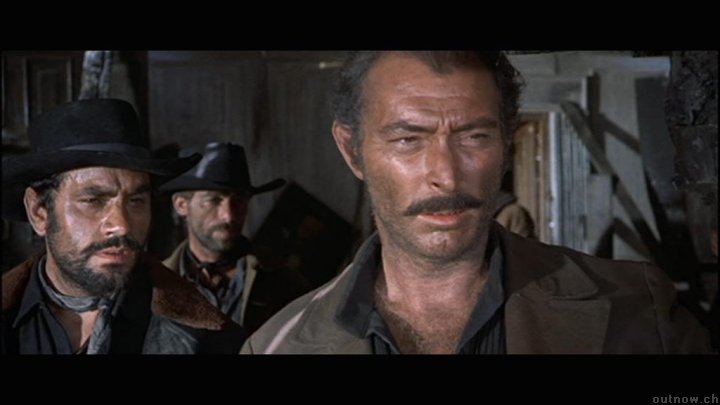
At the cemetery, Blondie kills Angel Eyes. Tuco discovers that Blondie has already unloaded his gun. [4] The confrontation looks like a test of three men, but one participant has secretly changed its conditions.
RecapRush interpretation: The revelation changes what we have been admiring. Speed and nerve remain important, yet Blondie has also arranged a situation in which another man cannot exercise the power he believes he possesses. The suspense is shared by the audience and Tuco; the preparation belongs to Blondie.
That makes the ending more interesting than an uncomplicated victory for superior courage. Rules can seem neutral when everyone appears to stand in the same arena. Knowledge of how those rules have been altered exposes a different contest underneath. Blondie’s skill includes managing other people’s understanding of their own position.
Ending Explained: Survival Without Equality
Cast and Characters
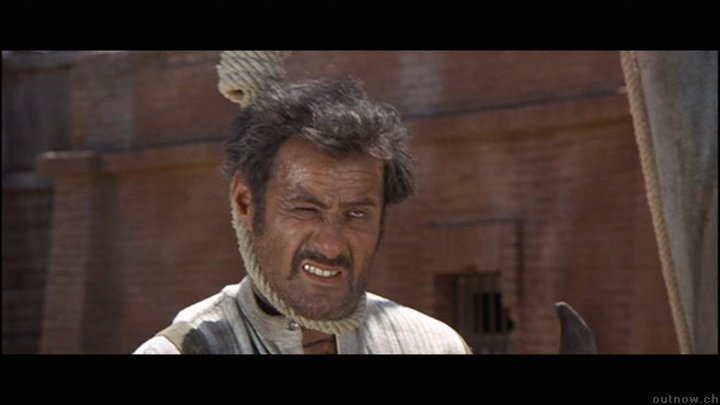
Blondie leaves Tuco with half the gold, bound beneath a noose. He then shoots through the rope from a distance, sparing him. [4] The money is shared; control of the encounter is not.
We read this as a limited mercy made deliberately humiliating. Tuco lives, and that is a real distinction from Angel Eyes’ fate. Yet Blondie first makes him experience his survival as something another person may grant or withdraw. The rescue does not erase the fear required to stage it.
The title’s moral labels remain useful precisely because they feel insufficient. We can prefer the man who spares a rival without treating every part of his performance as generous. The film leaves room for that mixed judgment. Enjoying Blondie’s command of the situation does not require us to mistake command for care.
Tuco’s anger therefore belongs in the ending. It prevents survival and payment from settling every account between them. A fair division of treasure cannot, by itself, create an equal relationship. What lingers for us is the gap between giving someone their share and allowing them to stand beside you without fear.
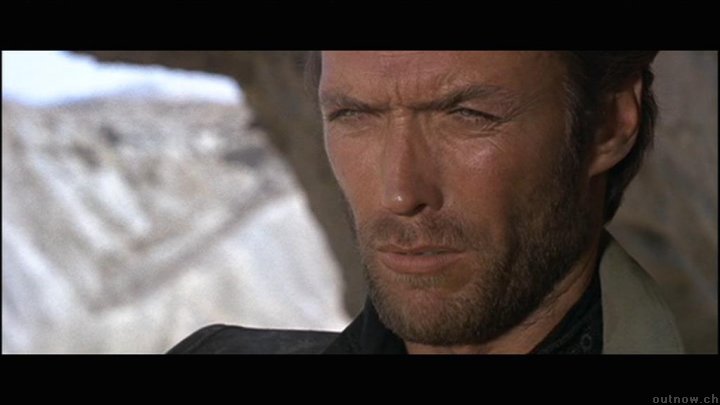
Final Thought
Blondie can afford to spare Tuco because he has made himself secure. The unsettling question is why security still needs a spectacle of the other man’s helplessness. For RecapRush, the ending’s sting lies there: mercy can preserve a life while preserving the hierarchy that endangered it.
Join the conversation
What did you think of the ending? Share your interpretation. Spoilers may appear below.
This product uses the TMDB API but is not endorsed or certified by TMDB.
No comments yet. Start the conversation.