
RECAPRUSH MOVIE GUIDE
Back to the Future (1985)
Directed by Robert Zemeckis
RecapRush examines the limits of Marty’s intervention, George’s independent choice and the mixed rewards of the changed 1985 ending.
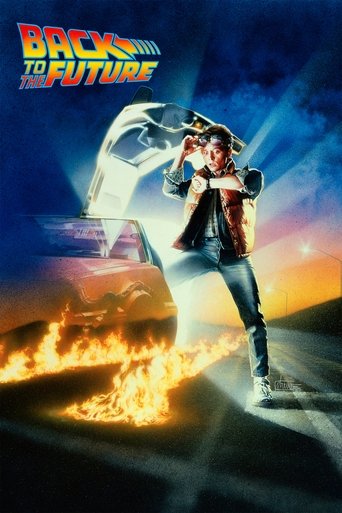
Overview, poster, and credits from TMDB.
Read and watch our analysis ↓FROM THE RECAPRUSH LIBRARY · ANALYSIS
Back to the Future (1985): Marty Can Change History, but George Must Choose
5 min read · Estimated reading time— views
RecapRush viewpoint · Spoilers for the original 1985 film and its ending.
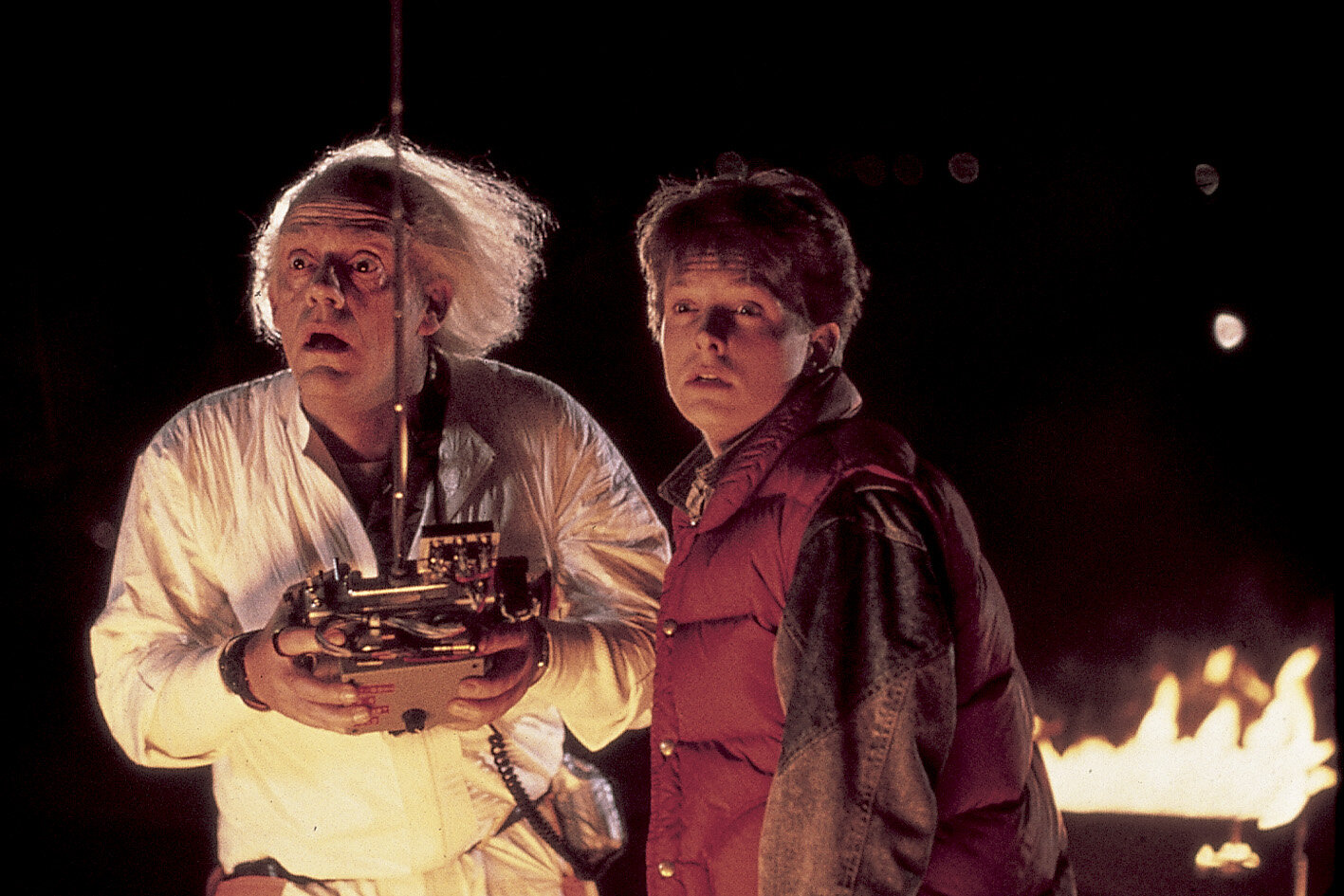
The most interesting limit in Back to the Future is not how fast the DeLorean must travel. It is the limit of what Marty can do for his father. He can arrange an opportunity, offer encouragement and interfere spectacularly. He cannot supply George’s courage from outside. Our reading is that the film turns the fantasy of correcting your parents into a harder question: can you help someone change without making their decisions for them?
Quick facts
- Film: Back to the Future (1985), directed by Robert Zemeckis; written by Zemeckis and Bob Gale.
- US release: July 3, 1985. Runtime: 116 minutes.
- Principal cast: Michael J. Fox — Marty McFly; Christopher Lloyd — Doc Brown; Crispin Glover — George McFly; Lea Thompson — Lorraine Baines; Thomas F. Wilson — Biff Tannen.
- Verified identity: IMDb tt0088763 · TMDB movie 105.
- Scope: The original film, without importing events from Parts II or III.
Your parents existed before they were your parents
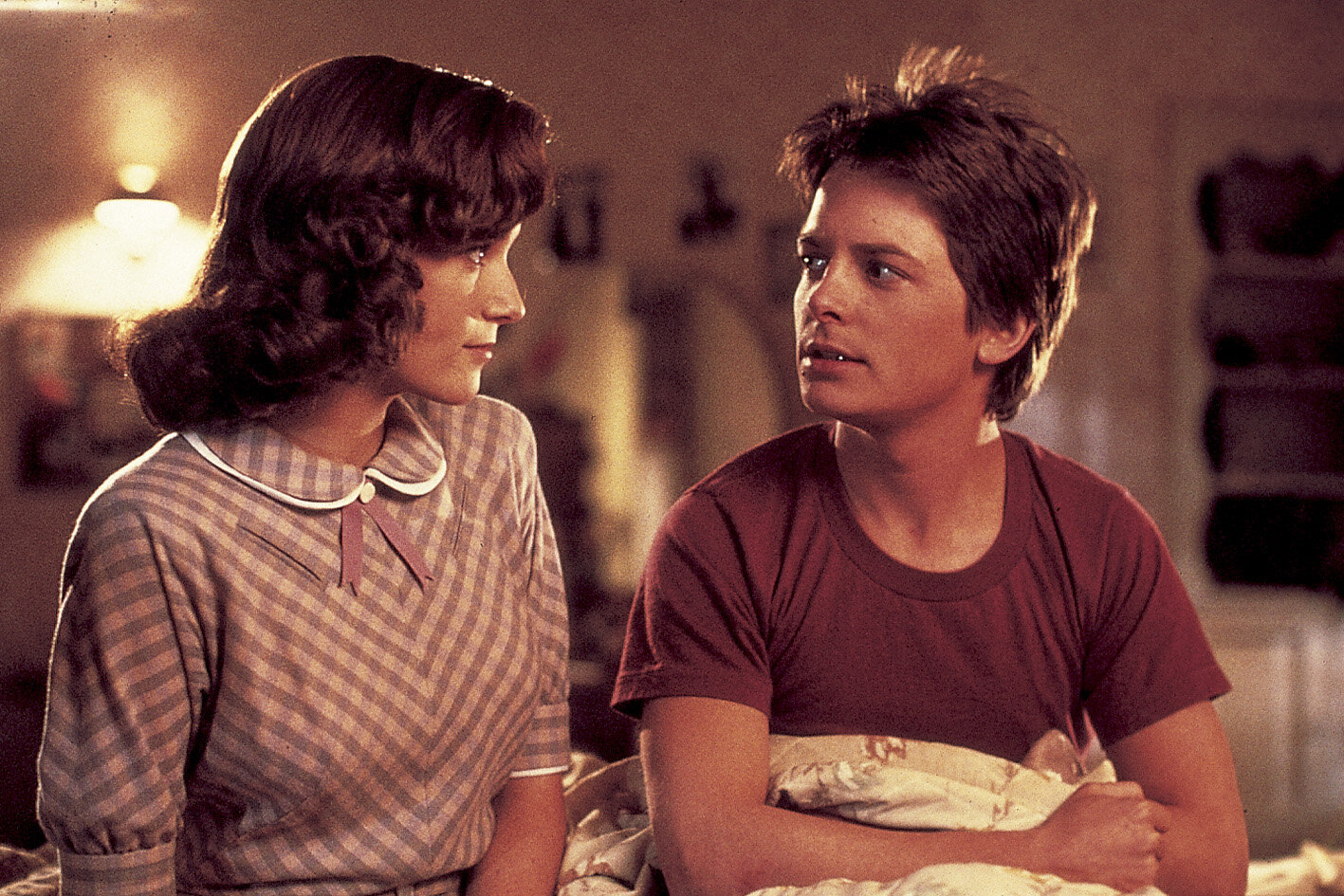
Stranded in 1955, Marty disrupts George and Lorraine’s meeting; Lorraine becomes attracted to him instead. His family photograph begins to fade.
We see the photograph as a deliberately uncomfortable correction to Marty’s perspective. He has treated his family as an established arrangement, with himself securely inside it. Now his existence depends on people whose lives were never simply preparation for his arrival. The image makes him vulnerable to choices he once took for granted.
The comedy also unsettles the authority of a family’s preferred stories. Meeting Lorraine before she becomes his mother lets Marty encounter someone beyond the parental role he knows. That does not turn her into a puzzle with one final, authentic solution. It makes the distance between a person and the version their child understands impossible to ignore.
George’s decisive act cannot be delegated
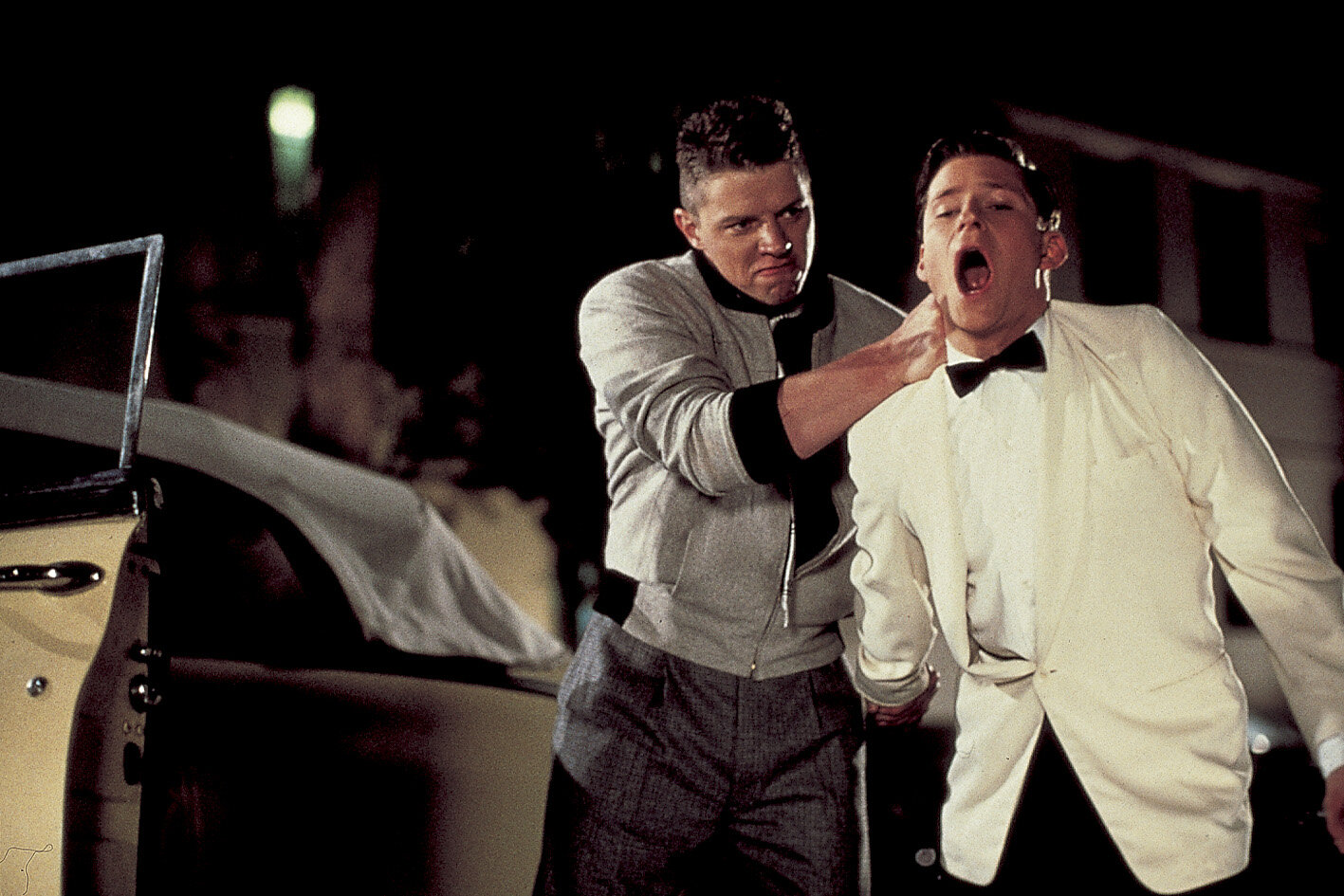
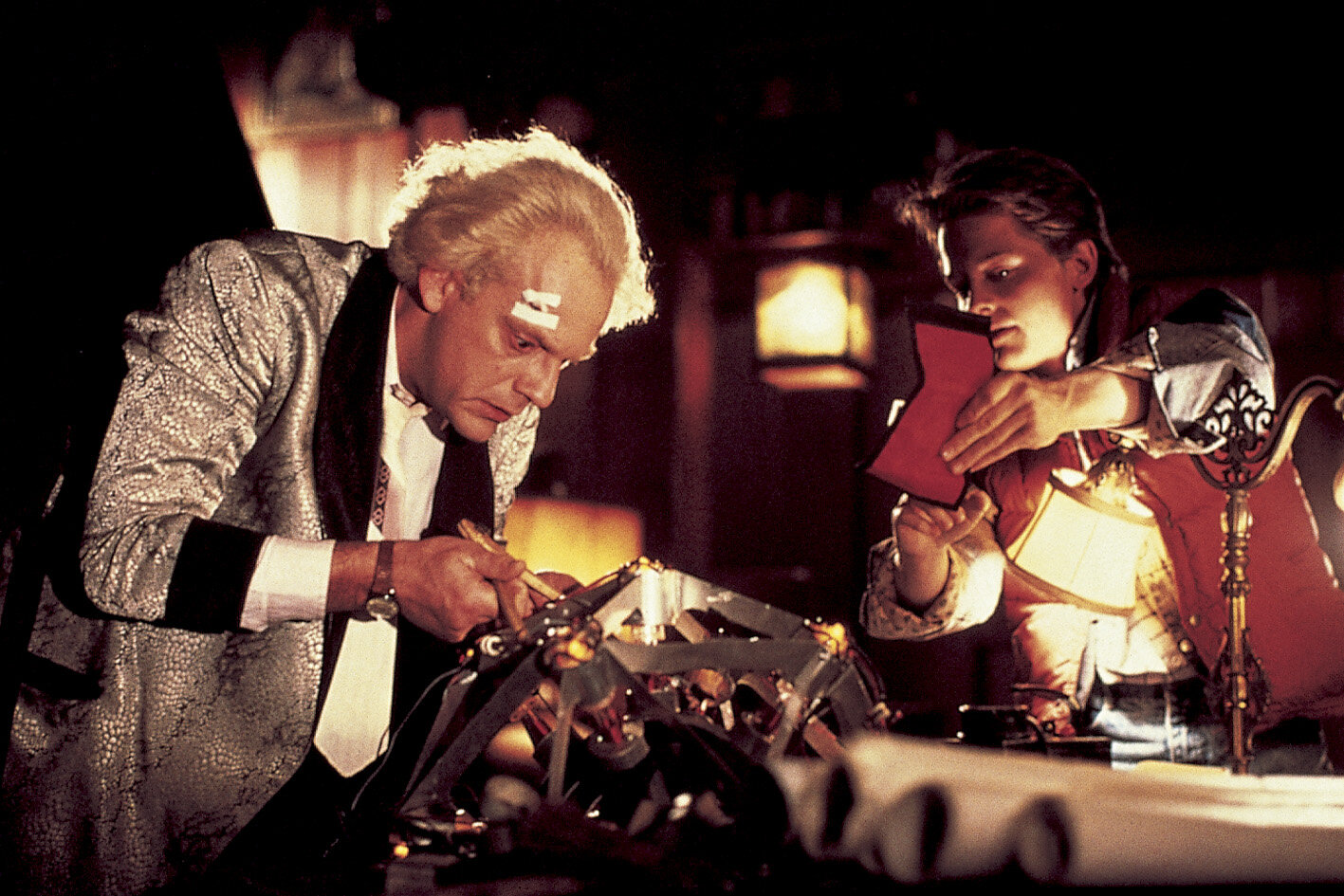
Marty plans a staged rescue to make George impress Lorraine. Biff’s assault replaces the performance with real danger; George hits him. Later, George and Lorraine kiss at the dance, and Marty stops disappearing.
Our interpretation: the rescue plan exposes a weakness in Marty’s approach. He wants the visible result of confidence and tries to manufacture it as a scene. But a performance designed to persuade Lorraine cannot guarantee that George will act when the situation stops being manageable.
More from RecapRush
 Zip Wire (2026) Recap & Ending Explained: Why Amy Makes the Cure Impossible to Own
 Office Romance (2026) Recap & Ending Explained: Why Jackie Stops Protecting Her Secret at Work
 The Odyssey (2026) Recap & Ending Explained: Why Odysseus Leaves Ithaca Again
George’s decision matters because it is his. Marty’s ingenuity creates possibilities without owning their outcome. The film’s emotional turning point arrives when someone who has been pushed around acts for another person, rather than when the time traveler produces a cleverer instruction.
There is a limitation here too. Giving one punch such transformative weight compresses the slow work of changing a life into a satisfying cinematic instant. We can respond to George’s refusal to submit while questioning whether a single act of force should carry so much of the film’s definition of self-respect.
Ending explained: a better home, measured in more than one way
Cast and Characters
Marty returns to a more prosperous family. George is a published novelist; Biff now waxes his car. Doc returns and takes Marty and Jennifer toward another future.
The ending rewards George’s creative ambition alongside his changed relationship to Biff. For us, the novel is the more persuasive sign of transformation: it represents something George has made, not merely someone he has defeated. The changed household makes that possibility tangible.
Yet the luxury and reversed service relationship leave a question inside the happy ending. Has the family escaped a humiliating hierarchy, or mainly secured a better position within it? That tension need not cancel the pleasure of the reunion. It keeps us from equating every material upgrade with an ethical improvement.
Helping is different from controlling
The final departure prevents the repaired present from feeling like a permanently finished project. Our conclusion stays within this first film: changing circumstances does not abolish the need to make choices.
Marty’s adventure is most moving when it gives him a new way to look at people he thought he already knew. The family can become different because its members are not fixed types. But even a time machine cannot turn another person’s courage into something you can simply deliver on their behalf.
Join the conversation
What did you think of the ending? Share your interpretation. Spoilers may appear below.
This product uses the TMDB API but is not endorsed or certified by TMDB.
No comments yet. Start the conversation.