
← Back to articles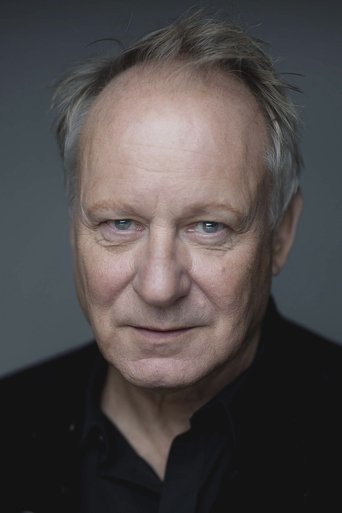
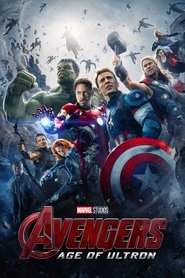 Avengers: Age of Ultron2015as Erik SelvigOur takeUltron is frightening because his solution removes the very people it supposedly serves. Our reading is that the Avengers defeat him by accepting an obligation he cannot understand: someone must remain answerable to particular lives, even when saving those lives makes victory slower and messier. Vision provides the…
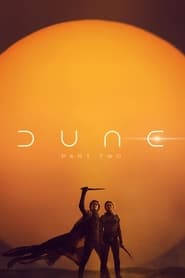 Dune: Part Two2024as Baron HarkonnenOur takeChani is the film's moral point of view. While Stilgar sees proof of destiny in everything Paul does, Chani sees choices being disguised as fate. Her final departure makes the ending more than a coronation: it is the moment the person who knows Paul most intimately refuses the myth he has chosen to inhabit.
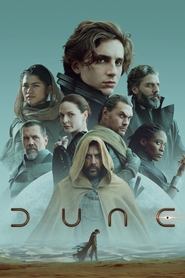 Dune2021as Baron Vladimir HarkonnenOur takeThis article contains full spoilers for Denis Villeneuve’s Dune: Part One.
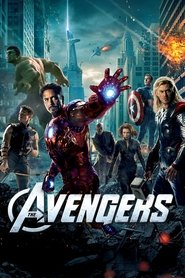 The Avengers2012as SelvigOur takeThis ensemble succeeds because its heroes remain noticeably different. The movie does not ask every performer to speak, move, or project authority in the same way. Collaboration becomes interesting precisely because agreement cannot be taken for granted.
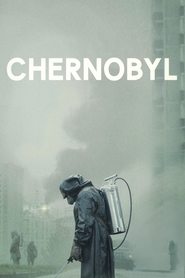 Chernobyl2019as Boris ShcherbinaOur takeChernobyl is most powerful when it treats truth as physical matter. Lies do not erase radiation; they merely transfer the cost to firefighters, miners, nurses, soldiers, families, and future victims. Legasov's final victory is not that he escapes the system. It is that he leaves the system unable to bury what happened.
RECAPRUSH CAST PROFILE
Stellan Skarsgård
ActingBorn 1951-06-13Gothenburg, Västra Götalands län, Sweden
Stellan Skarsgård (born June 13, 1951) is a Swedish actor, known internationally for The Hunt for Red October and Good Will Hunting, as well as his supporting roles in the Pirates of the Caribbean, Mamma Mia!, and Marvel Cinematic Universe (MCU) franchises. Skarsgård is particularly associated with director Lars von Trier and has appeared in six of the Danish auteur's features: The Kingdom, Breaking the Waves, Dancer in the Dark, Dogville, Melancholia, and Nymphomaniac.
Published on RecapRush
Avengers: Age of Ultron2015as Erik SelvigOur takeUltron is frightening because his solution removes the very people it supposedly serves. Our reading is that the Avengers defeat him by accepting an obligation he cannot understand: someone must remain answerable to particular lives, even when saving those lives makes victory slower and messier. Vision provides the…Dune: Part Two2024as Baron HarkonnenOur takeChani is the film's moral point of view. While Stilgar sees proof of destiny in everything Paul does, Chani sees choices being disguised as fate. Her final departure makes the ending more than a coronation: it is the moment the person who knows Paul most intimately refuses the myth he has chosen to inhabit.Dune2021as Baron Vladimir HarkonnenOur takeThis article contains full spoilers for Denis Villeneuve’s Dune: Part One.The Avengers2012as SelvigOur takeThis ensemble succeeds because its heroes remain noticeably different. The movie does not ask every performer to speak, move, or project authority in the same way. Collaboration becomes interesting precisely because agreement cannot be taken for granted.Chernobyl2019as Boris ShcherbinaOur takeChernobyl is most powerful when it treats truth as physical matter. Lies do not erase radiation; they merely transfer the cost to firefighters, miners, nurses, soldiers, families, and future victims. Legasov's final victory is not that he escapes the system. It is that he leaves the system unable to bury what happened.Profile and filmography data from TMDB. This product uses the TMDB API but is not endorsed or certified by TMDB.